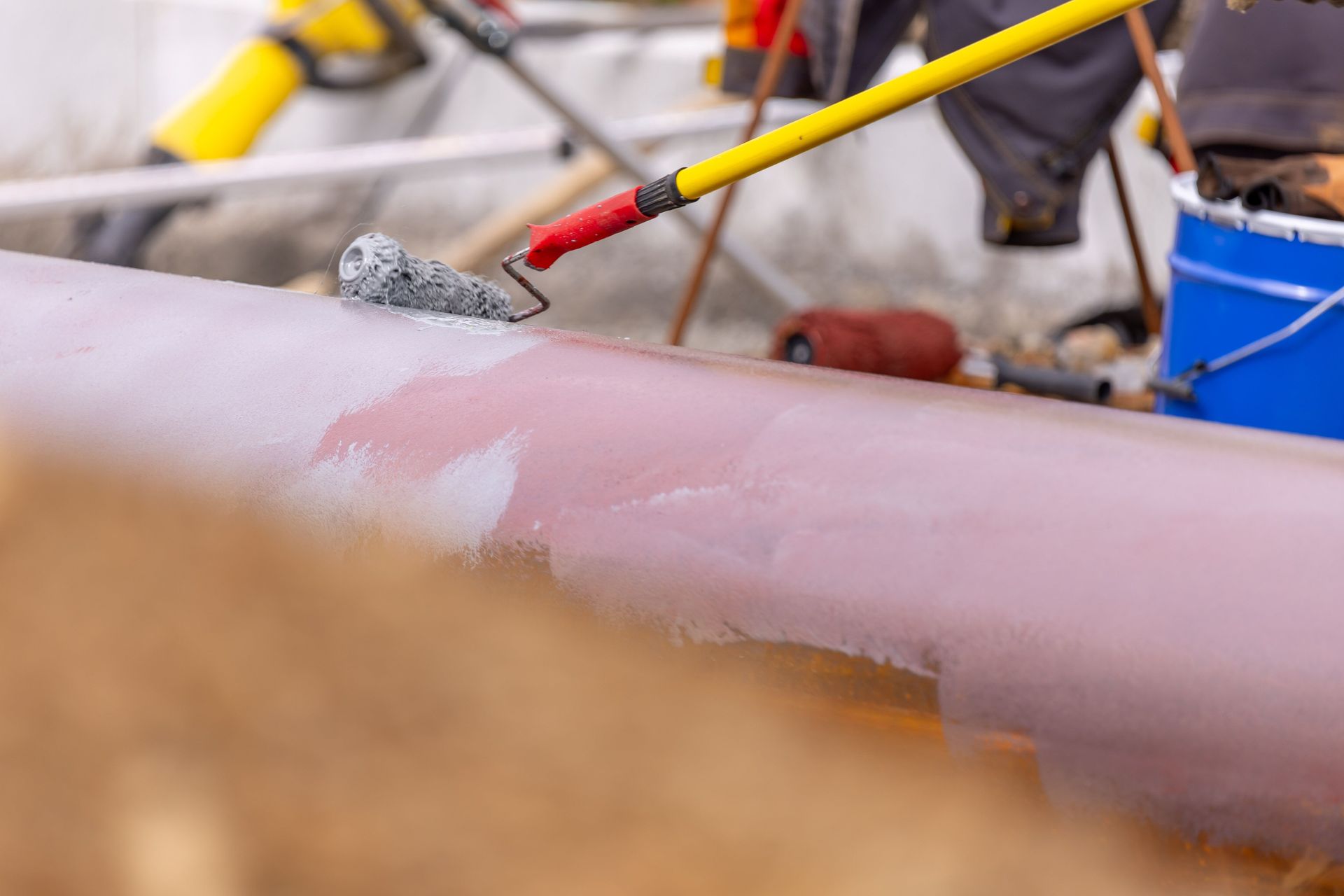
Quick Answers Is powder coating better than paint? Powder is generally the stronger choice for removable, oven-safe metal; paint is more practical for installed, oversized, or heat-sensitive parts. Which finish holds up better outdoors? Use an exterior-rated system with sound prep; powder is a durable option for removable parts, while paint can perform well when field repair is important. Is powder coating more expensive? It can cost more up front, but a suitable powder system may reduce refinishing work over the life of the part. Can damaged powder coating be repaired? Touch up small chips to seal the metal; for large damage or a full color change, remove and recoat the part when feasible. Powder coating and paint are both legitimate metal-finishing tools. The decision starts with a physical constraint: can the part be transported to a coating shop and safely handle an oven cure? If the answer is no, liquid paint is not a compromise—it is the usable method. If the answer is yes, powder coating may offer a more durable finish for a part that sees sun, abrasion, weather, or regular cleaning. That distinction keeps the comparison honest. A welded-on railing, structural member, or assembled piece with heat-sensitive components does not become a powder-coating candidate just because powder can be tougher. On the other hand, a removable gate, wheel, trailer component, furniture frame, or equipment guard is often well suited to shop preparation and a baked finish. How the Two Finishes Work Liquid paint Liquid paint carries resin and pigment in a water- or solvent-based system. It is brushed, rolled, or sprayed, then dries and cures under the conditions specified by its manufacturer. A durable paint job usually involves more than one layer: surface preparation, an appropriate primer, one or more finish coats, and sometimes a clear coat. The advantage is flexibility. Paint can be applied to installed work, large structures, nonmetal substrates, and assemblies that cannot tolerate curing heat. The trade-off is that application conditions, film build, and drying intervals have a larger effect on the result. Runs, dry spray, inconsistent coverage, and poor adhesion are all possible when the process is rushed. Powder coating Powder coating uses dry resin-and-pigment particles rather than a liquid carrier. The particles are applied electrostatically to a grounded part, then heated until the coating flows and cures. The Powder Coating Institute’s overview of the process explains the basic application and cure sequence. Because the work happens in a controlled shop environment, the coater can manage preparation, masking, application, and cure more consistently. The part still has to qualify: it must be transportable, fit the available equipment, and tolerate the cure schedule for the selected powder. That is why powder works well for many metal components but not for every project.
Northern Arizona guide to sandblasting and powder coating: learn how prep, finish choice, and Arizona weather affect durability, cost, and results.
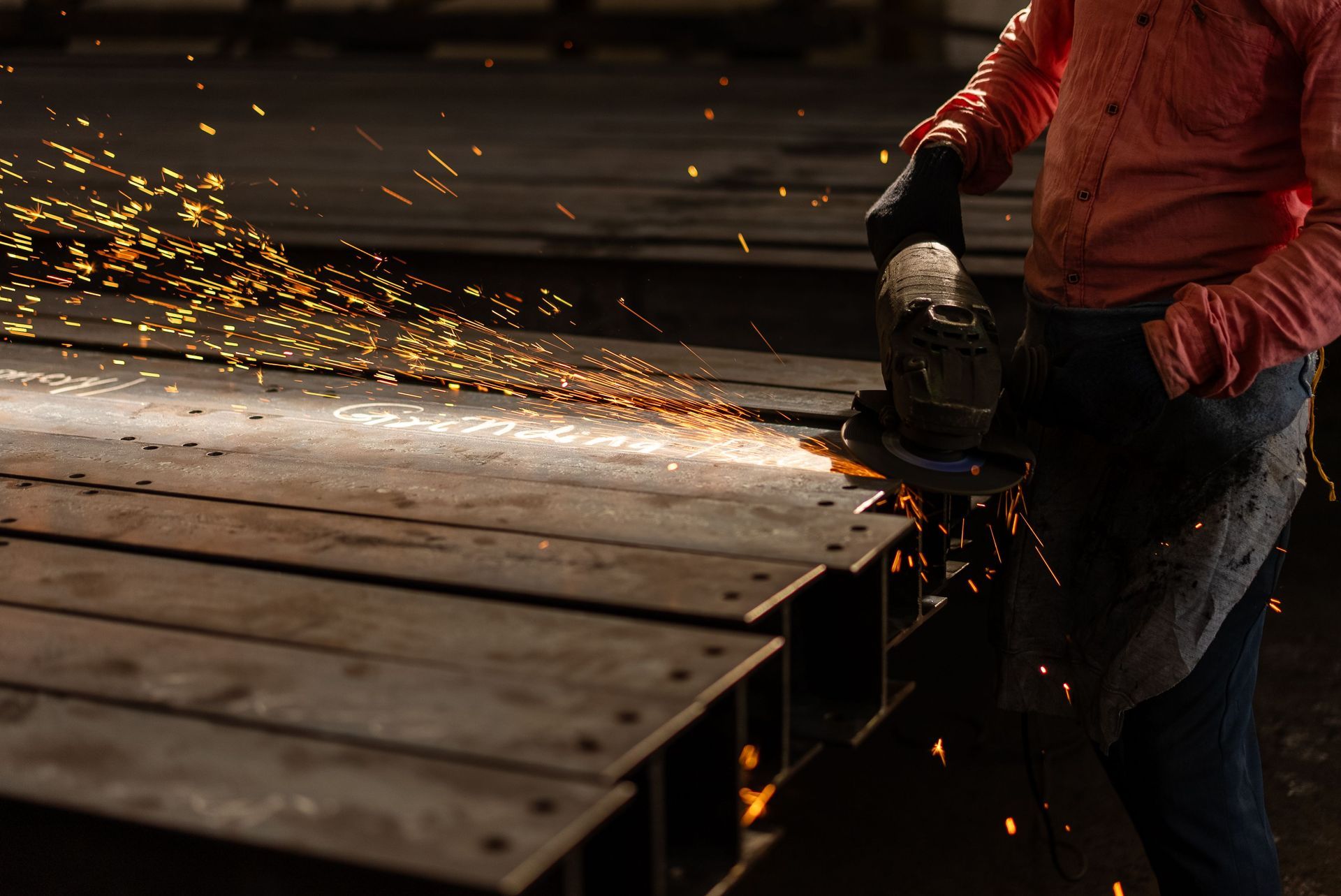
Learn how industrial fabricators support Arizona infrastructure through custom fabrication, sandblasting, powder coating, and metal finishing.
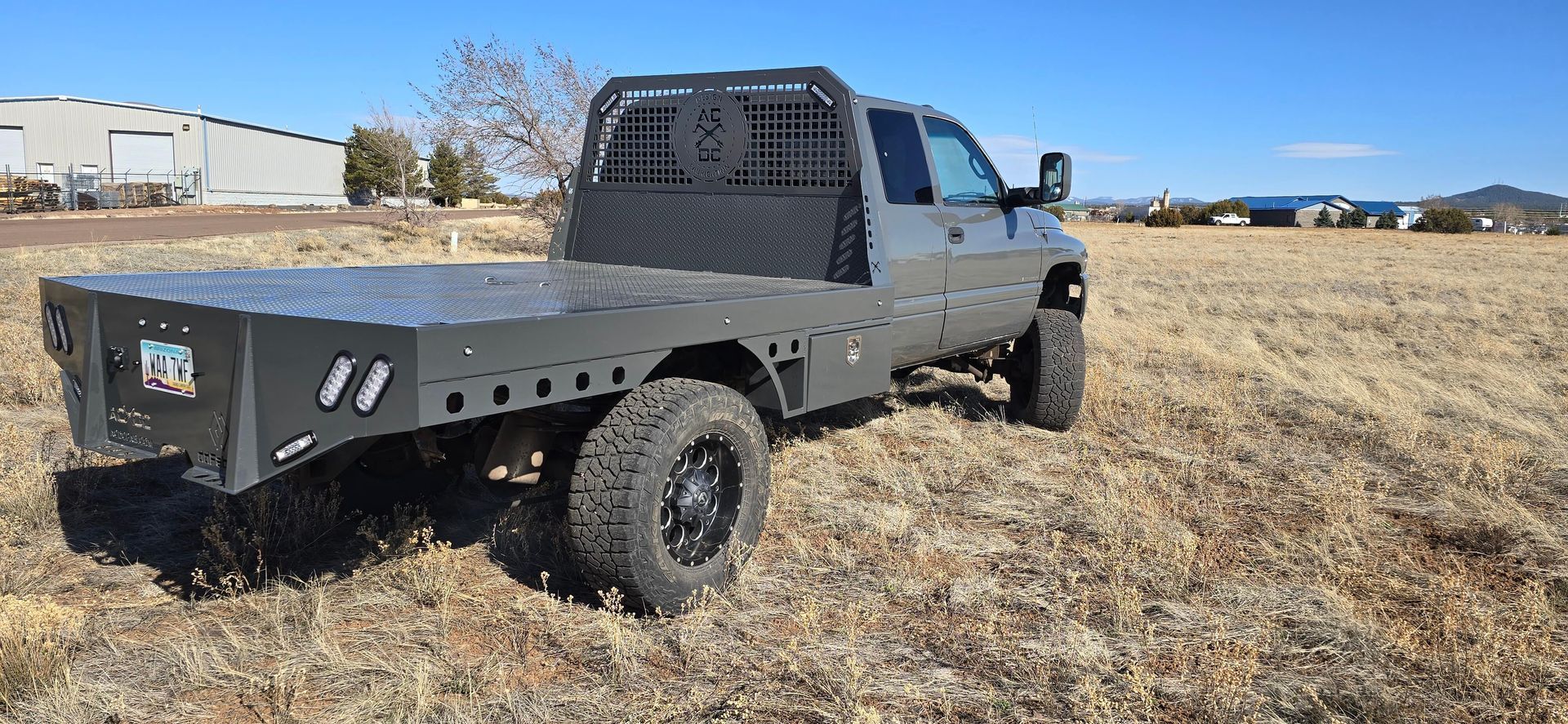
Explore custom truck bed powder coating in Arizona, including fabrication, tool boxes, sandblasting, utility add-ons, and durable work truck finishes.
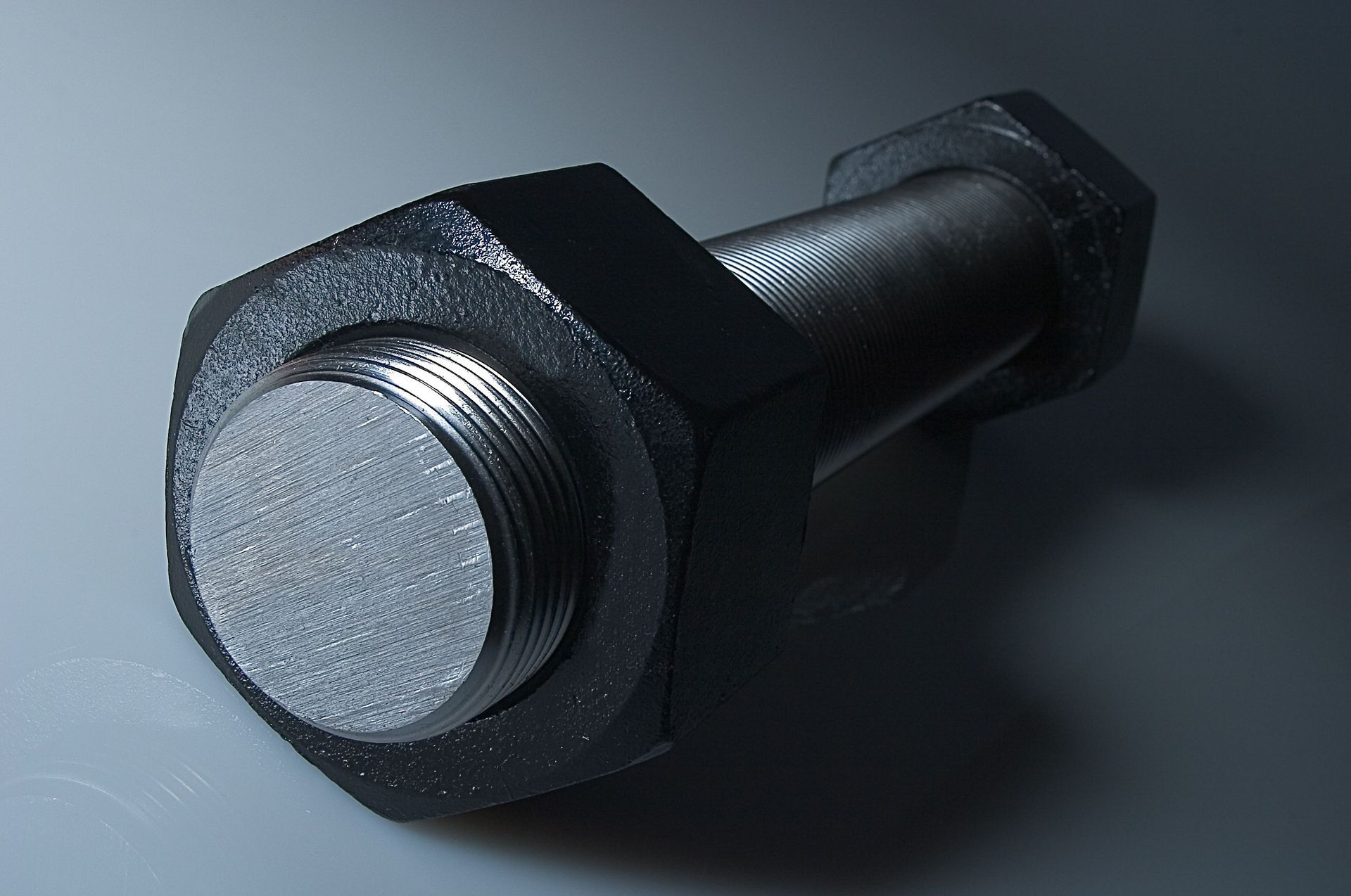
Learn how much it costs to get a metal part made in Arizona, including fabrication, welding, sandblasting, powder coating, and key price factors.
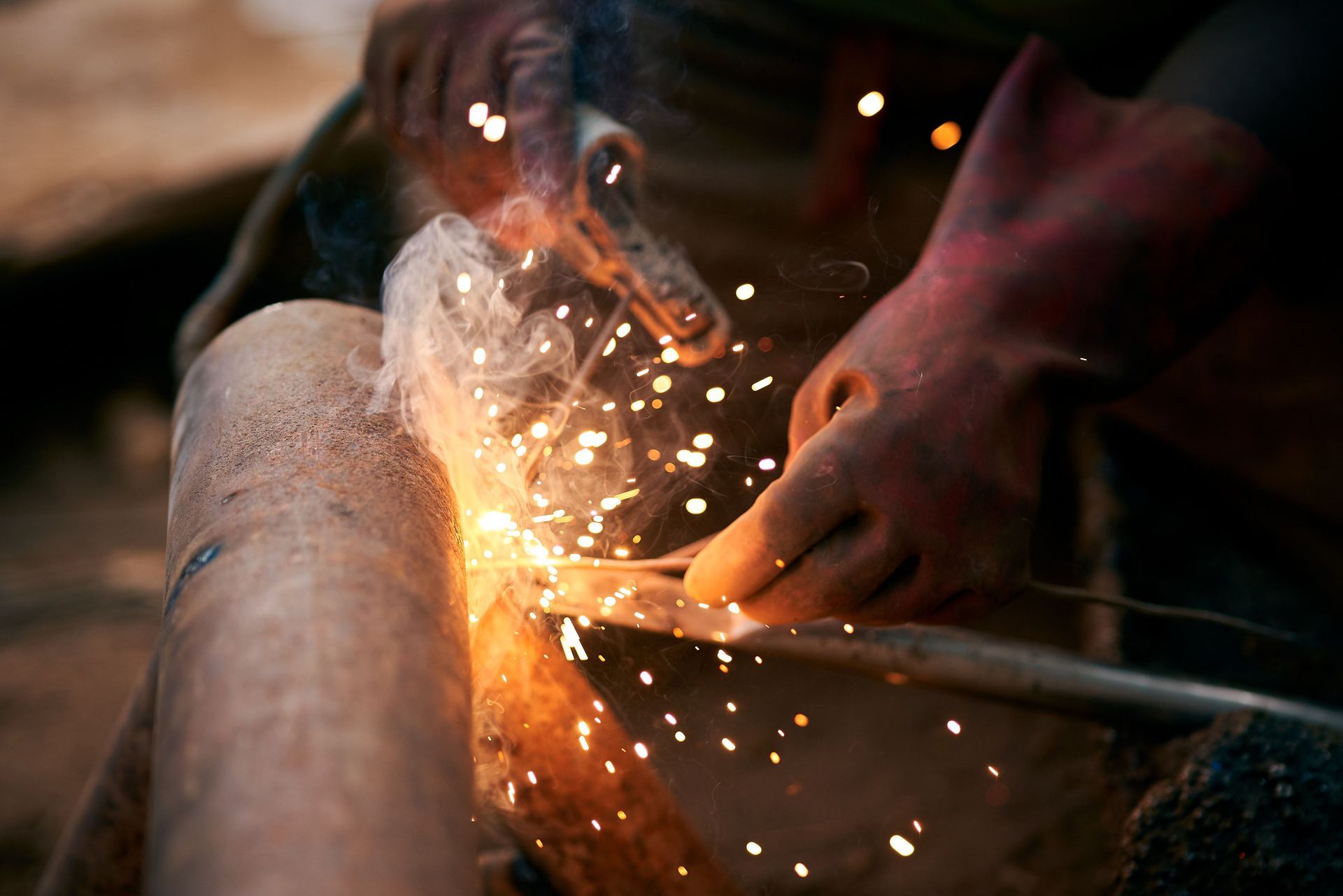
Compare manufacturer vs fabricator, where welding fits, and when Arizona metal projects need fabrication, sandblasting, powder coating, or full-service finishing.
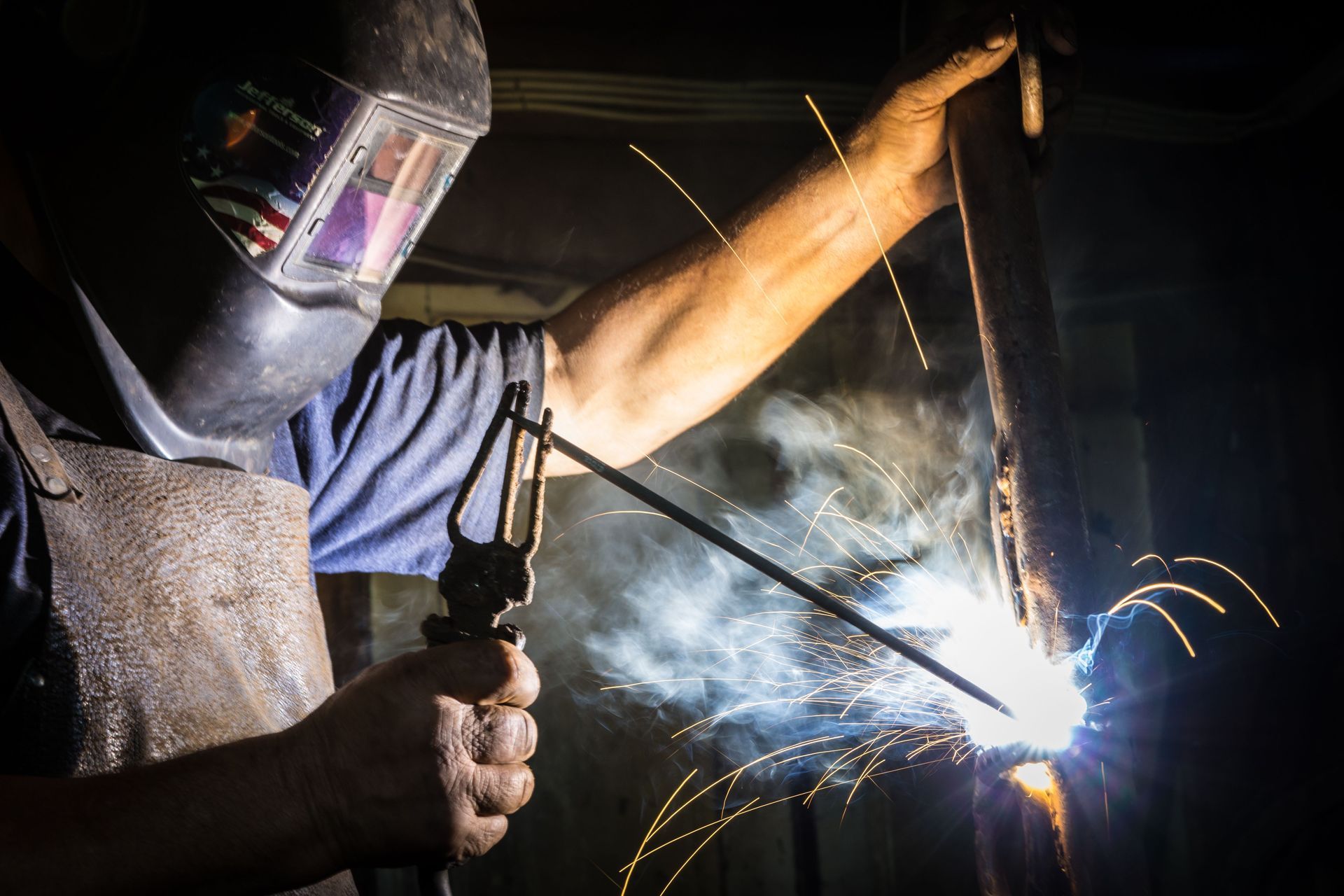
TL;DR What is welding? Welding is the process of joining metal parts together so they function as one piece. It is used for trailer repairs, gates, railings, brackets, racks, off-road parts, ranch equipment, commercial signs, industrial frames, custom fabrication, and metal repair. Is welding the same as fabrication? No. Welding joins metal. Fabrication is the larger process of building, repairing, modifying, fitting, welding, grinding, prepping, and finishing metal. A fabrication project may include welding, but welding is not the whole project. What are the main types of welding? The most common welding types most Arizona customers will hear about are MIG welding, TIG welding, stick welding, and flux-cored welding. Other processes include oxy-fuel welding, resistance spot welding, submerged arc welding, laser welding, and plasma arc welding. What is MIG welding best for? MIG welding is commonly used for steel frames, brackets, gates, railings, trailer repairs, automotive parts, racks, and general fabrication. It is fast, efficient, and practical for many shop projects. What is TIG welding best for? TIG welding is best for clean, precise welds on aluminum, stainless steel, thin metal, visible welds, custom brackets, motorcycle parts, and higher-appearance fabrication. What is stick welding best for? Stick welding is useful for field repairs, ranch equipment, thicker steel, outdoor repair, utility work, and situations where portability matters. What is flux-cored welding best for? Flux-cored welding is useful for thicker steel, outdoor welding, repair work, fabrication, and jobs where wind can interfere with standard shielding gas. Can welded metal be powder coated? Yes, but the weld should be inspected, cleaned, blasted or prepped, masked, powder coated, cured, and inspected. Welding after powder coating can burn or damage the finish. Does welded metal need sandblasting before powder coating? Often, yes. Welding can leave slag, spatter, mill scale, oils, grinding residue, and surface contamination. Sandblasting or media blasting helps create a cleaner surface for powder coating adhesion. What do people ask in welding and powder coating forums? Common questions include whether powder coating will hide gaps, whether mill scale must be removed, whether welding should happen before coating, whether outdoor powder coat can rust, and why surface prep matters so much. The answer is usually the same: repair and prep the metal before finishing it. If you are asking what is welding? , the simple answer is that welding is the process of joining metal together using heat, pressure, filler material, or a combination of those methods. In Arizona, welding is used for everyday repair and custom metalwork, but it is also part of a larger finishing process. If the part will be powder coated, the weld should be cleaned, inspected, sandblasted or media blasted when needed, and finished with the right coating system for Arizona heat, UV exposure, dust, road debris, ranch use, off-road abuse, and monsoon moisture. Welding Starts the Job, Prep Finishes It TWI defines welding as “ a fabrication process whereby two or more parts are fused together .” That is the technical foundation. Welding joins the metal, but it does not automatically make the part finished. Apex explains the finishing side clearly: “ Repairs are made with coating in mind. ” That matters because a weld can be strong but still need cleanup, smoothing, blasting, masking, and powder coating before the part is ready for long-term use. Welding vs Fabrication vs Metal Finishing Welding is the joining step. It is how two pieces of metal become connected. Fabrication is the broader project. It may include measuring, cutting, fitting, welding, drilling, grinding, reinforcing, modifying, and preparing the part for its final use. Metal finishing happens after the part is built or repaired. That may include sandblasting, media blasting, masking, powder coating, curing, and final inspection. This is where many customer projects become more involved than expected. For example, a cracked gate hinge may seem like a simple welding job. But if the gate has old paint, rust, rough previous repairs, or chipped coating, the better solution may be weld repair, surface cleanup, sandblasting, and powder coating. That is why Apex’s in-house custom fabrication and finishing workflow is valuable. The repair and the final coating can be planned together.
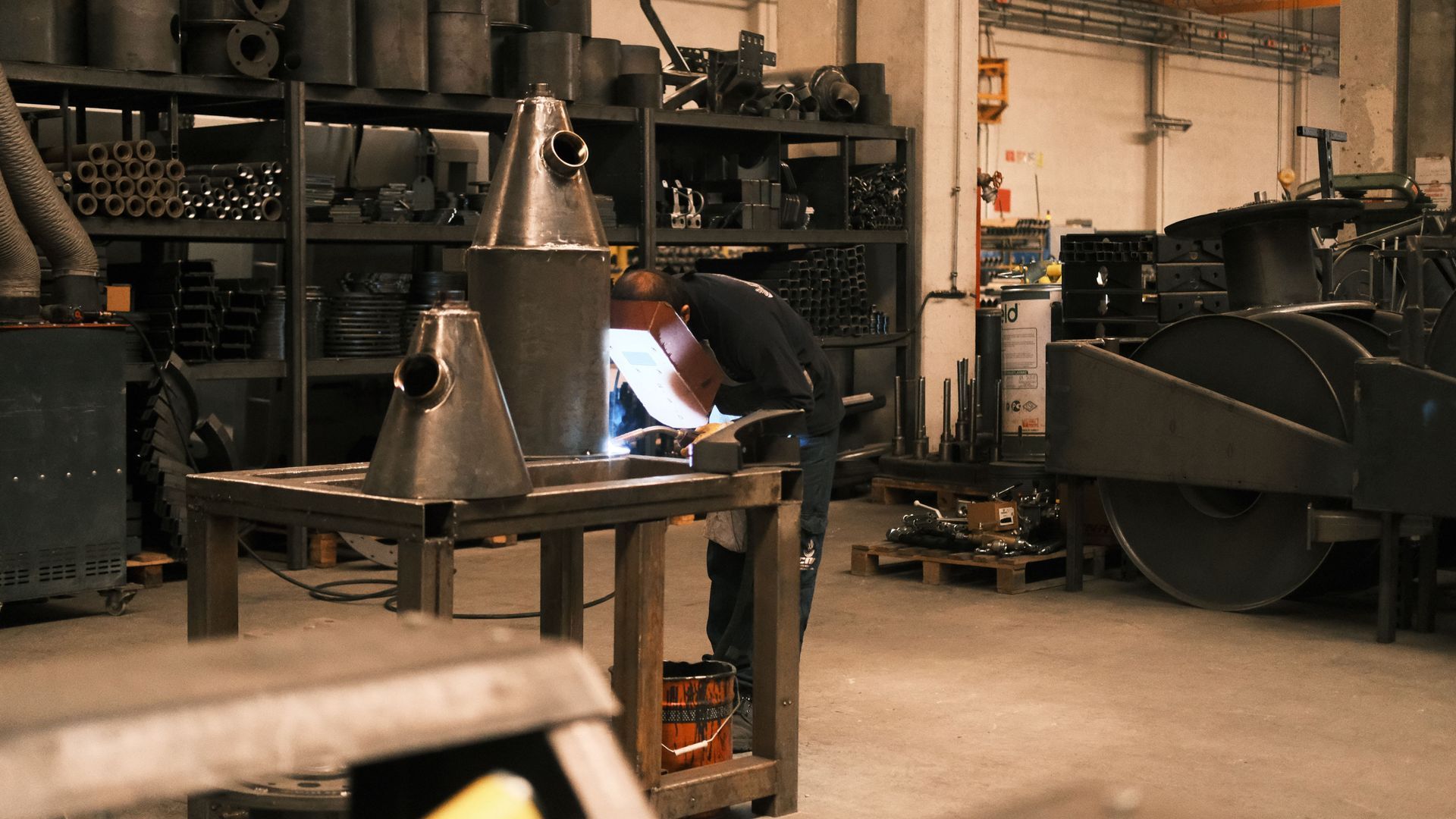
Learn what fabrication means in Arizona, including welding, sandblasting, powder coating, metal repair, and how Apex handles fab projects.
Find where to buy powder coat powder, compare top US suppliers, and learn why Arizona projects still need proper prep, curing, and expert coating.
Compare powder coating textures and finishes for Arizona projects, including matte, satin, gloss, textured, metallic, candy, and hammertone options.