Sand Blasting Near Me in Arizona | what needs it what doesn't

Admin • June 24, 2026

Share this article

TL;DR


  • If you are searching Sand Blasting Near Me in Arizona, the real question is whether your part needs aggressive blasting, gentle media blasting, or a different prep method entirely.
  • Sandblasting is usually the right move for rusted metal, old paint, mill scale, weld slag, corrosion, and parts headed for powder coating.
  • Not every item needs aggressive blasting. Thin sheet metal, polished surfaces, chrome, soft aluminum, bearing surfaces, and precision parts may need gentler media or careful masking.
  • Proper blasting removes contamination and creates the surface profile that helps powder coating bond correctly.
  • Arizona heat, dust, wind, UV exposure, and monsoon moisture make weak prep show up faster.
  • A professional shop should choose the media and pressure based on your metal type, condition, and final finish.
  • Apex Powder Coating can handle custom fabrication, sandblasting, powder coating, and large item coating as one connected process.


If you are searching Sand Blasting Near Me in Arizona, you are probably trying to figure out whether your metal project truly needs blasting before it gets painted, powder coated, repaired, or restored. That is the right question. Sandblasting is one of the most useful steps in professional metal finishing, but it is not a one-size-fits-all service. Some projects need aggressive rust removal and a strong anchor profile. Others need a gentler media blast. A few may not need abrasive blasting at all.


The goal is not to blast everything as hard as possible. The goal is to prepare the metal correctly for what comes next. Whether you are restoring a gate, coating a trailer frame, refinishing outdoor furniture, repairing a railing, or preparing structural steel for powder coating, the right prep method can determine whether the finish lasts or fails.


What Sandblasting Actually Does


“Sandblasting” is the term most people search for, but professional shops often use the broader term media blasting. That is because the media can change depending on your project. A shop may use aluminum oxide, glass bead, steel grit, or gentler blasting materials based on the type of metal, the level of rust, the existing coating, and the finish you want afterward.


The purpose is bigger than simply stripping paint. Sandblasting can:

  • remove rust and corrosion
  • remove failing paint and old coatings
  • strip mill scale from new steel
  • remove weld slag and fabrication residue
  • expose hidden pitting or damaged welds
  • clean contaminated metal
  • create a surface profile for better coating adhesion


AMPP, the Association for Materials Protection and Performance, describes surface preparation as work performed “in order to increase adhesion to coatings and linings.” That is the heart of the process. If the metal is dirty, rusty, smooth, oily, or covered in failing paint, a new finish does not have a stable foundation to hold onto.

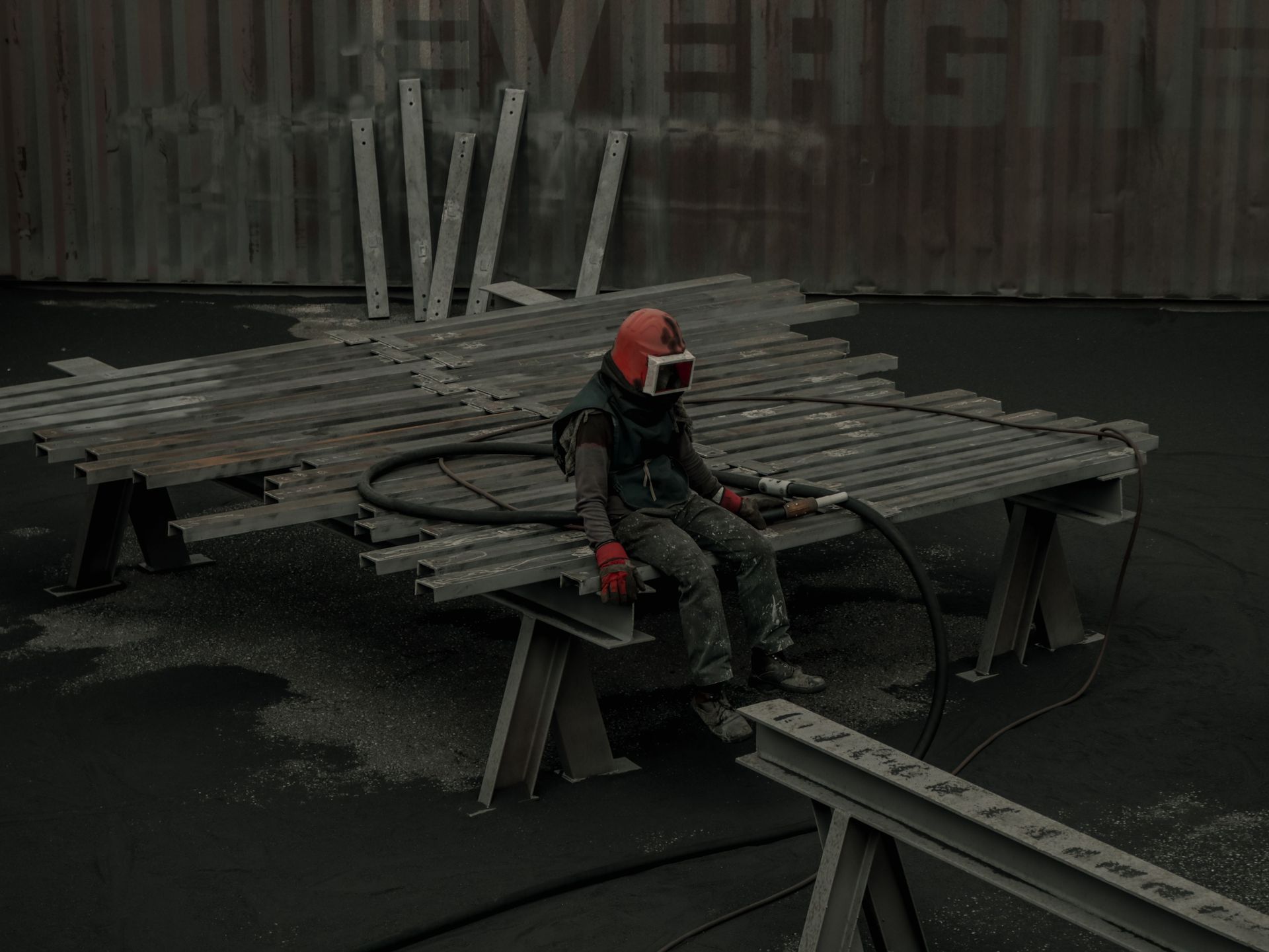
Worker in orange helmet sits on scaffolding at a construction site.

What Usually Needs Sandblasting


Rusted gates, railings, and outdoor metal


If your gate, railing, fence panel, patio furniture, or outdoor metalwork has visible rust, flaking paint, bubbling paint, or rough corrosion, blasting is usually the right starting point. Arizona may feel dry most of the year, but outdoor metal still deals with dust, UV exposure, temperature swings, irrigation overspray, and monsoon moisture.


A fresh coat of paint over rust does not solve the underlying issue. It only hides it temporarily. Blasting removes the failing material so the metal can be inspected, repaired if necessary, and coated correctly.

This is especially important for driveway gates, security fencing, stair railings, balcony guards, ranch entry features, and outdoor decorative steel. Apex’s Large Item Coating service is built for exactly these types of larger residential and commercial metal projects.


Old painted or previously coated metal

A part may look like it only needs a touch-up, but old paint can fail underneath the visible surface. If the paint is cracked, lifting, rusting around edges, or flaking at welds, applying a new coating over it can create another layer that fails even sooner.


Sandblasting is often the better move when you want to restore:

  • trailer frames
  • wheels
  • machinery housings
  • old signs
  • metal furniture
  • gates and railings
  • agricultural equipment
  • fabricated steel brackets and frames

The point is to get back to a stable surface instead of building a new finish on top of a failing one.


Fabricated metal with weld slag or mill scale

New steel is not always ready for powder coating just because it is new. Fabricated metal can carry mill scale, weld spatter, slag, oils, fingerprints, and shop contamination. Those issues can affect adhesion and show through the final finish.


This is where Custom Fabrication and Sandblasting naturally work together. If the metal needs a repair, bracket modification, weld cleanup, or reinforcement, that should happen before blasting and coating. A professional finish looks better when the metal underneath it is structurally sound and clean.


Automotive, off-road, and trailer projects


Automotive frames, wheels, suspension parts, bumpers, side-by-side components, racks, utility trailers, and flatbeds often need abrasive blasting before coating. These parts see road debris, brake dust, gravel, moisture, hard use, and constant vibration.


If you are restoring a truck frame or coating a trailer, you want the coating to stick through real-world use. That means getting rid of rust, grease, failed paint, and old surface contamination first.


For larger parts, Large Item Coating matters because the shop needs enough handling and curing capacity to process the entire piece consistently.


What Does Not Always Need Aggressive Sandblasting

Thin sheet metal


Thin metal can warp if it is blasted too aggressively. That does not mean it cannot be blasted. It means the media, pressure, angle, and dwell time need to be controlled carefully.


A hood panel, thin sign panel, decorative sheet steel, or lightweight fabricated piece may need gentler media blasting instead of a heavy industrial blast process. The goal is to remove contamination without distorting the part.


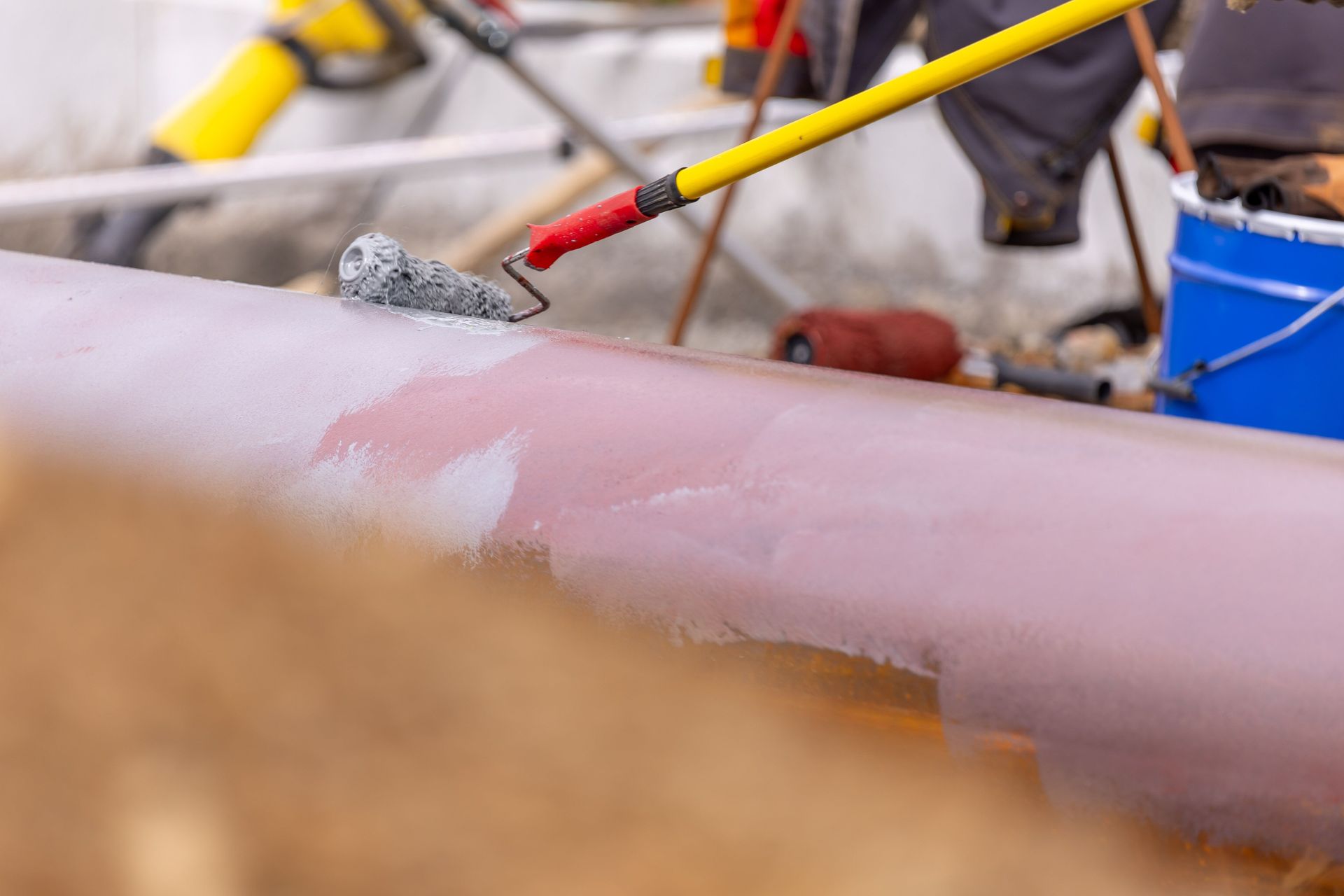
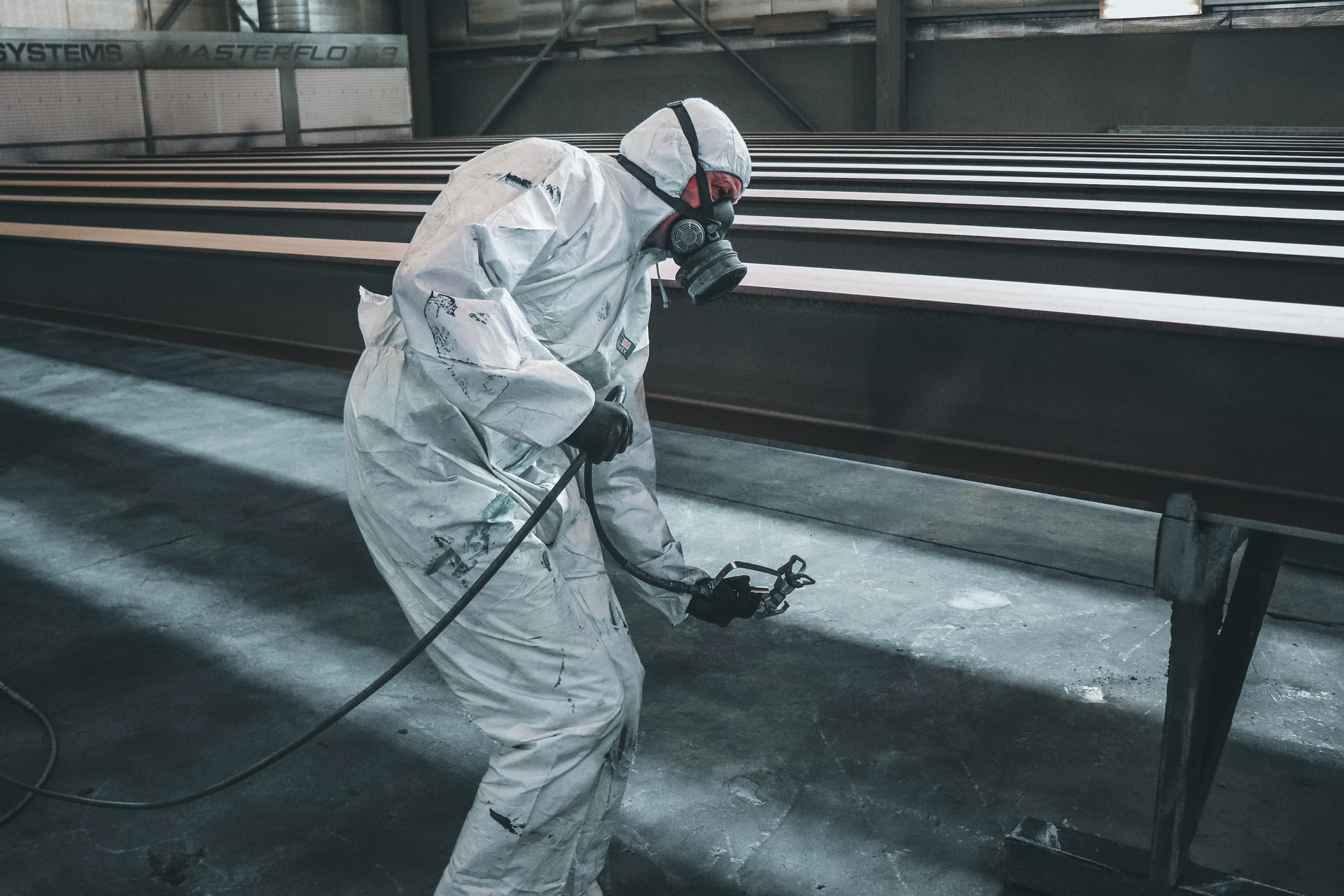
Worker in white protective suit spray-painting metal beams in an industrial facility.

Aluminum and stainless steel


Aluminum and stainless steel often need cleaning or surface preparation, but they do not always need the same aggressive profile used on heavily rusted steel. Glass bead or a gentler media may be a better choice when you want to clean the surface, remove oxidation, or create a uniform satin appearance without cutting deeply into the metal.


This is one reason you should not assume every “sand blasting near me” provider uses the same process. A good shop should ask what the part is made of before recommending the media.


Chrome, polished surfaces, and decorative finishes


If you have chrome, polished stainless, decorative aluminum, or a surface where the original sheen matters, aggressive blasting can destroy the finish. In some cases, a gentler cleaning process, careful masking, or a restoration-specific approach makes more sense.


The key is to define the end goal first. Are you stripping the part to recoat it? Are you restoring the existing appearance? Are you preparing it for powder coating? The answer changes the prep method.


Bearing surfaces, threads, and precision-fit parts


Threads, seals, machined surfaces, bearing seats, and precision-fit areas need protection during blasting. Abrasive media can damage fitment surfaces or create issues if it gets trapped in threaded holes, seams, and blind areas.


A professional shop should mask those areas, inspect them after blasting, and make sure the part is clean before coating or reassembly.


Clean new metal with no coating failure


Some new, clean metal does not need a full aggressive blast. It may need a lighter profile, a chemical clean, or another prep method based on the coating system. The right process depends on the substrate and the finish you plan to apply.


That does not mean you skip prep. It means you choose the right level of prep.


The Right Media for the Right Job


Aluminum oxide for heavy prep


Aluminum oxide is a strong option for heavy rust, old coatings, mill scale, weld slag, trailer frames, structural steel, and rugged fabricated metal. It creates an aggressive anchor profile that works well before powder coating.


This is often the right direction for gates, trailers, heavy equipment, and steel that needs serious restoration.


Glass bead for controlled cleaning


Glass bead is often better for aluminum, stainless steel, decorative parts, and visible surfaces where you want a smoother satin result. It can clean the metal without cutting as aggressively as heavier media.

It is a strong option when appearance matters just as much as surface prep.


Steel grit for industrial work


Steel grit is commonly used for heavy industrial components, thick coatings, structural steel, and harsh-use equipment. It can create a deeper profile and remove serious corrosion or scale.


This is not the automatic answer for every project. It is the answer when the metal, condition, and final coating system call for it.


An Arizona Project Example: The Ranch Gate That Needed More Than Paint


Imagine an Arizona ranch owner with a large steel entry gate. The gate has been in place for years. The paint is faded. Rust is forming near the bottom rails. The welds look rough. Dust has worked its way into the seams, and the owner is thinking about simply repainting it.


That would be the fast option, but it would not be the long-term solution.


A professional process would start with a full inspection. Does the gate have rust-through? Are any welds cracked? Does a hinge bracket need repair? That is where Custom Fabrication can come first.

Next, the gate would be blasted to remove the old paint, corrosion, and contamination. Once the bare metal is exposed, the shop can identify any hidden issues that need repair. Then the gate can move into Powder Coating with a finish selected for Arizona outdoor exposure.


The lesson is simple. Sandblasting is not the “extra” step on a project like this. It is the step that makes the new finish worth doing.


Why Arizona Projects Need Proper Prep


Arizona metal projects see a specific combination of conditions that can punish weak finishes:

  • intense UV exposure
  • heat and temperature swings
  • dry dust and wind abrasion
  • monsoon moisture
  • outdoor use and frequent handling
  • rust forming at seams, chips, and lower edges

A weakly prepared surface may look fine at first, but Arizona conditions expose shortcuts. If the part was not cleaned properly, if rust was left in a seam, or if the coating was applied over failing paint, those problems can come back quickly.


That is why Apex connects Sandblasting with Powder Coating under one roof. The company notes that keeping the process together reduces the chance that bare metal gets re-contaminated between prep and finishing.


How to Decide Whether Your Project Needs Blasting


Ask yourself these questions:

  1. Is there visible rust, bubbling paint, flaking paint, or corrosion?
  2. Is the part headed for powder coating or another long-term finish?
  3. Does it have weld slag, mill scale, old coatings, or shop contamination?
  4. Is it structural, decorative, or exposed outdoors?
  5. Is the metal thick steel, thin sheet metal, aluminum, stainless, chrome, or a mixed-material part?
  6. Does the part have threads, seals, bearings, or precision surfaces that need masking?
  7. Does the project need repair before coating?

If the part is rusty, painted, heavily used, fabricated, or headed for powder coating, blasting is usually a strong recommendation. If it is delicate, thin, polished, or precision-machined, it may still need prep, but the process should be more controlled.


Why Apex Is a Strong Fit for Sandblasting in Arizona


The shop works with residential, commercial, industrial, agricultural, automotive, and restoration projects. You can review completed work in the Gallery, read customer feedback on the Testimonials page, then submit your project through Contact Us for a free quote.


Final Thoughts


Sandblasting is not always necessary, but it is often the right foundation for quality powder coating, rust removal, paint stripping, metal restoration, and long-term protection.


The right question is not, “Can this be blasted?” The better question is, “What prep method gives this part the best chance of lasting?”


If your project has rust, old paint, weld slag, mill scale, surface contamination, or visible corrosion, professional sandblasting may be the smartest next step. If the part is thin, delicate, polished, aluminum, stainless, or precision-machined, it may need a gentler approach.


For clear guidance on sandblasting, media blasting, powder coating, metal restoration, custom fabrication, and large-item finishing in Arizona, contact Apex Powder Coating for a free quote.

Recent Posts

Hands holding two small piles of bright yellow powder against a blue background
By Admin June 16, 2026
Learn how to powder coat at home, why DIY often fails in Arizona, and when professional powder coating, sandblasting, and prep are worth it.
Blue powder cloud exploding against a black background
By Admin June 10, 2026
Compare custom coatings, powder coating, and Cerakote-style finishes for Arizona projects, including use cases, durability, prep, and coating selection tips.
Mojave County Holbrook Complex sign with sunburst pillars, set in a desert landscape under a blue sky
By Admin June 9, 2026
Find out why powder coating Tucson projects need the right powder type, proper sandblasting, and expert prep for durable custom signs and metalwork.
Gloved hand spray-painting a car part in a paint booth
By Admin June 1, 2026
Learn how the right powder coating type affects durability, UV resistance, and finish quality for Arizona metal projects, including Mesa railings.
Workers using a crane to install black stair treads in an indoor construction site
By Admin May 26, 2026
Learn how powder coating works on a custom three-piece staircase in Mesa, AZ, and why prep, blasting, and curing matter for lasting results.
Scattered colorful paint swatches overlapping on a dark background
By Admin May 20, 2026
Discover the best standard RAL colour for Arizona projects, from gates to custom art, with powder coating tips on durability, style, and prep.
Welder creating bright sparks on a metal surface in a dark industrial workshop
By Admin May 18, 2026
Why quality fabrication services matter for powder coating in Arizona, including stronger repairs, better prep, improved durability, and longer-lasting metal finishes.
Professional powder coating process in Arizona facility
May 13, 2026
Discover why powder coating in Phoenix, AZ is the best choice for durable metal finishes. Learn about sandblasting, UV protection, and 6,500+ custom colors.
A variety of powder coated metal samples in bright colors.
May 13, 2026
Explore the top powder coating projects in Maricopa County, including automotive, residential, and industrial applications. Learn why powder coating is the superior choice for Arizona's climate.
Black truck chassis frame on jack stands in a workshop, with rear axle and wheels attached
May 7, 2026
Learn why Apex Powder Coating is the leading provider for metal restoration and protective finishes in Show Low, Arizona and the White Mountains.
Show More