what is fabrication​? | everything you need to know about Fab in AZ

Admin • August 4, 2026

Share this article

TL;DR

  • What is fabrication? Fabrication is the process of building, repairing, modifying, or assembling metal into a useful part, structure, or finished project. In real shop terms, fabrication can include measuring, cutting, fitting, welding, grinding, drilling, reinforcing, sandblasting, and powder coating.
  • What does “fab” mean? “Fab” is short for fabrication. When someone says “metal fab,” “custom fab,” “fab work,” or “fab shop,” they usually mean custom metal building, repair, modification, or finishing.
  • Is fabrication the same as welding? No. Welding is one part of fabrication. Welding joins metal together. Fabrication is the larger process that may include planning, cutting, bending, fitting, welding, grinding, finishing, and final prep.
  • Can fabricated metal be powder coated? Yes. Gates, railings, trailer parts, brackets, racks, signs, off-road parts, ranch equipment, and industrial pieces can often be powder coated after fabrication if the metal can be cleaned, blasted, masked, grounded, cured, and inspected correctly.
  • Should fabrication happen before powder coating? Usually, yes. If the part needs welding, grinding, straightening, tab replacement, rust repair, or reinforcement, that work should happen before sandblasting and powder coating. Welding or grinding after coating can damage the finish.
  • Why does sandblasting matter after fabrication? Fabrication can leave weld spatter, mill scale, slag, grinding residue, oils, marker lines, old coating, and rust. Sandblasting or media blasting removes those contaminants and creates a cleaner surface for powder coating.
  • What do people ask about in welding and powder coating? Common questions include whether welding and fabrication are the same, whether mill scale must be removed before powder coating, why outdoor powder coat rusts, whether holes in tubing can cause peeling, and whether a shop should blast or prime steel before coating.
  • Why does fabrication matter in Arizona? Arizona metal projects deal with heat, UV exposure, dust, wind, monsoon moisture, road debris, jobsite abuse, ranch work, and off-road vibration. A quick weld or cosmetic finish may not be enough if the part needs real repair, prep, and coating.
  • Why choose Apex Powder Coating? Apex can handle fabrication, repair, sandblasting, media blasting, powder coating, large-item coating, and finish planning under one roof. That matters when your project needs more than a basic weld or a new color.


If you are asking what is fabrication, the simple answer is that fabrication is the process of turning raw, damaged, or unfinished metal into something useful. In Arizona, fabrication might mean repairing a cracked trailer bracket, building a custom gate, modifying a railing, replacing broken tabs, restoring ranch equipment, creating a steel sign frame, or preparing a metal part for sandblasting and powder coating.


Fabrication Is the Full Metal Process


The Refrigeration School explains the difference between fabrication and welding clearly:


 “Welding, cutting, bending, and assembling are all part of the metal fabrication process.


Apex explains why having fabrication and coating in the same shop matters:


 “Repairs are made with coating in mind.


Those two ideas are the foundation of a good fabrication project. Fabrication is not just a weld. It is the full process of making the metal work, then preparing it for the finish that will protect it.


What Fabrication Means in Real Life


Fabrication starts with a problem or a goal. You may have a broken bracket, a gate that needs modification, a railing that needs repair, a trailer frame that needs reinforcement, or a custom part that does not exist off the shelf.


A fabricator looks at the metal and determines what needs to happen. That may include cutting new material, removing damaged sections, welding a repair, drilling holes, replacing tabs, smoothing rough areas, or modifying the piece so it fits the way you need it to.


This is why fabrication is different from simply “making something look better.” A good fabrication job considers how the part will be used. A decorative sign frame does not have the same job as a trailer crossmember. A railing bracket does not have the same requirements as an off-road rack. A ranch gate does not need the same finish plan as a motorcycle part.

Fabrication vs Welding


Welding is a joining process. It uses heat and filler material to fuse metal pieces together. It is a critical part of many fabrication projects, but it is not the whole project.


Fabrication is broader. It may include the design, layout, measuring, cutting, fitting, welding, grinding, assembly, finishing, and inspection. In some cases, fabrication may involve very little welding. In other cases, welding is the main part of the job.


The distinction matters because a welded part is not automatically ready for powder coating. The weld may be strong, but the surrounding metal may still have spatter, slag, sharp edges, oils, mill scale, or grinding marks. A fabrication-minded shop thinks beyond the weld and asks what the part needs before it can be finished correctly.


Why Fabrication Should Be Planned Before Powder Coating


Powder coating is a strong protective and decorative finish, but it will not fix bad metal. If a part has cracked welds, rust-through, bent brackets, missing tabs, deep pitting, rough repair work, or poor fitment, coating over the problem only hides it for a while.


The better sequence is simple: inspect the metal, repair or fabricate what is needed, blast the surface, clean and mask the part, powder coat it, cure it, and inspect the result.


This matters for Arizona customers because outdoor metal gets tested quickly. Heat, dust, moisture, vibration, and road debris will find weak prep. If rust was trapped under the coating or a cracked weld was never repaired, the finish can fail even if the color looked good at pickup.


How Sandblasting Fits Into Fabrication


After fabrication, the metal often needs surface prep. Welding and repair can leave behind weld spatter, slag, mill scale, grinding dust, heat discoloration, oils, and fingerprints. If the part is older, it may also have rust, old paint, or failing powder coat.


Sandblasting or media blasting helps remove those contaminants and creates a better surface for coating. This is one reason Apex’s in-house workflow matters. The part does not need to travel from a fabricator to a separate blaster to a separate coater. The project can move from repair to blast to coating in one controlled process.


Forum discussions around powder coating often come back to this same issue. People ask whether mill scale needs to be removed, why powder coat rusts outside, and whether old coating should be stripped before recoating. The consistent answer is that prep matters. The finish is only as good as the surface underneath it.


Common Fabrication Projects in Arizona


Fabrication in Arizona often involves practical metal that has to work hard. Trailer frames, ramps, fenders, tie-down tabs, gates, railings, brackets, racks, commercial signs, equipment guards, ranch panels, off-road parts, and industrial assemblies are all common examples.


A contractor may need a trailer bracket repaired before coating. A homeowner may need a gate modified and refinished. A ranch owner may need hardware repaired after years of dust, sun, and use. An off-road customer may need a rack or bracket reinforced before choosing a powder coated finish.


In each case, the fabrication step affects the final result. Clean welds, smooth transitions, good fitment, and coating-friendly edges help the powder coat look better and last longer.


What Apex Does Different With Fab in AZ


Apex is not just a powder coating shop. Apex handles in-house welding, repair, custom fabrication, sandblasting, and powder coating. That is important because many metal projects are not ready to coat when they arrive.


If your part is damaged, Apex can evaluate whether it needs repair first. If the surface is rusty or covered in old paint, Apex can blast it. If the part needs a finish that can handle outdoor exposure, Apex can help choose the right powder coating option.


The workflow is practical: inspect, repair or fabricate, blast, clean, mask, coat, cure, and inspect. For customers, that means fewer handoffs, clearer accountability, and a finished part that was planned from the start.


What to Bring to a Fab Shop


Before you contact a fabrication shop, gather clear photos, rough dimensions, and a description of the problem. Explain how the part is used, where it will live, and what kind of finish you want.


For example, do not just say, “I need this welded.” Say whether the part is a trailer bracket, gate hinge, railing mount, off-road rack, sign frame, or ranch component. Mention whether it will sit outside, carry weight, get touched often, or need powder coating after repair.


That information helps the shop recommend the right repair, prep method, and finish.


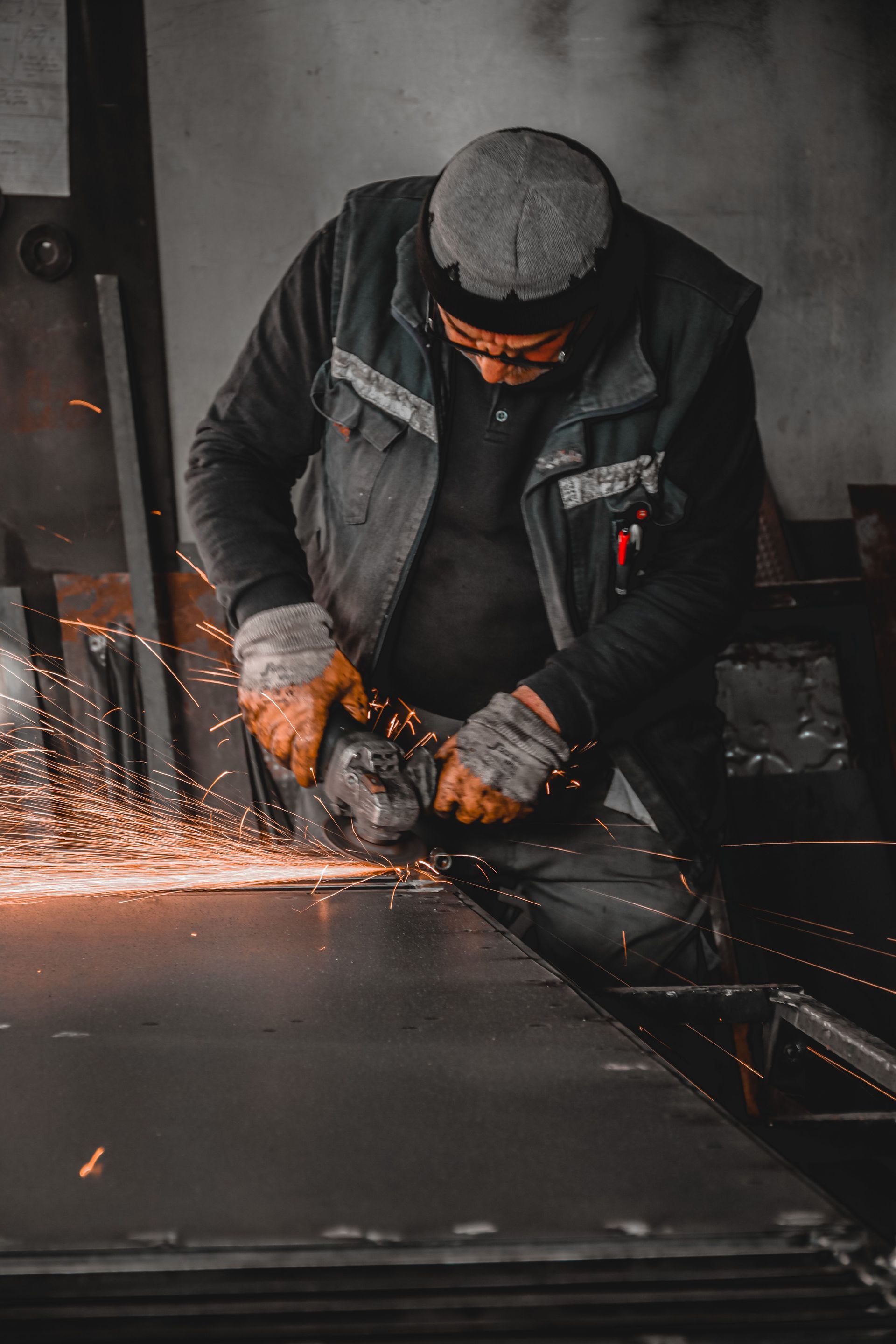
Worker using an angle grinder, cutting metal and sending sparks across a dark workshop.

Common Questions About Fabrication


What is fabrication in simple terms?


Fabrication means building, repairing, or modifying metal into a useful part or finished assembly.


Is fabrication the same as welding?


No. Welding joins metal. Fabrication is the larger process that can include welding, cutting, fitting, grinding, repair, blasting, and finishing.


Can fabricated metal be powder coated?


Yes. Fabricated steel, aluminum, stainless steel, and many other metal parts can be powder coated when they are properly cleaned, prepped, masked, and cured.


Should metal be fabricated before powder coating?


Yes. Repairs, welding, grinding, and modifications should usually be completed before coating. Otherwise, the finish may be damaged during later work.


Does fabrication include design?


Sometimes. Some shops build from drawings or detailed measurements. Others specialize in repair, modification, or practical shop-built solutions.


How much does fabrication cost?


Cost depends on the material, part size, repair complexity, labor time, finish requirements, sandblasting needs, and whether powder coating is included. A quote is the best way to get an accurate number.


Final Thoughts


If you are asking what is fabrication, think of it as the full metal project, not just one weld. Fabrication is how metal gets built, repaired, modified, cleaned up, and prepared for a final finish.


For Arizona customers, that matters because metal has to survive real conditions. Sun, heat, dust, wind, road debris, ranch use, off-road vibration, and seasonal moisture all make proper repair and finishing more important.


Apex Powder Coating is a strong fit when your project needs more than a quick weld. With fabrication, repair, sandblasting, powder coating, large-item coating, and finish planning under one roof, Apex can help you move from damaged or unfinished metal to a finished part built for real use in Arizona.

Recent Posts

Welder in protective mask and gloves sparks bright arc welding on dark metal surface
By Admin August 4, 2026
TL;DR What is welding? Welding is the process of joining metal parts together so they function as one piece. It is used for trailer repairs, gates, railings, brackets, racks, off-road parts, ranch equipment, commercial signs, industrial frames, custom fabrication, and metal repair. Is welding the same as fabrication? No. Welding joins metal. Fabrication is the larger process of building, repairing, modifying, fitting, welding, grinding, prepping, and finishing metal. A fabrication project may include welding, but welding is not the whole project. What are the main types of welding? The most common welding types most Arizona customers will hear about are MIG welding, TIG welding, stick welding, and flux-cored welding. Other processes include oxy-fuel welding, resistance spot welding, submerged arc welding, laser welding, and plasma arc welding. What is MIG welding best for? MIG welding is commonly used for steel frames, brackets, gates, railings, trailer repairs, automotive parts, racks, and general fabrication. It is fast, efficient, and practical for many shop projects. What is TIG welding best for? TIG welding is best for clean, precise welds on aluminum, stainless steel, thin metal, visible welds, custom brackets, motorcycle parts, and higher-appearance fabrication. What is stick welding best for? Stick welding is useful for field repairs, ranch equipment, thicker steel, outdoor repair, utility work, and situations where portability matters. What is flux-cored welding best for? Flux-cored welding is useful for thicker steel, outdoor welding, repair work, fabrication, and jobs where wind can interfere with standard shielding gas. Can welded metal be powder coated? Yes, but the weld should be inspected, cleaned, blasted or prepped, masked, powder coated, cured, and inspected. Welding after powder coating can burn or damage the finish. Does welded metal need sandblasting before powder coating? Often, yes. Welding can leave slag, spatter, mill scale, oils, grinding residue, and surface contamination. Sandblasting or media blasting helps create a cleaner surface for powder coating adhesion. What do people ask in welding and powder coating forums? Common questions include whether powder coating will hide gaps, whether mill scale must be removed, whether welding should happen before coating, whether outdoor powder coat can rust, and why surface prep matters so much. The answer is usually the same: repair and prep the metal before finishing it. If you are asking what is welding? , the simple answer is that welding is the process of joining metal together using heat, pressure, filler material, or a combination of those methods. In Arizona, welding is used for everyday repair and custom metalwork, but it is also part of a larger finishing process. If the part will be powder coated, the weld should be cleaned, inspected, sandblasted or media blasted when needed, and finished with the right coating system for Arizona heat, UV exposure, dust, road debris, ranch use, off-road abuse, and monsoon moisture. Welding Starts the Job, Prep Finishes It TWI defines welding as “ a fabrication process whereby two or more parts are fused together .” That is the technical foundation. Welding joins the metal, but it does not automatically make the part finished. Apex explains the finishing side clearly: “ Repairs are made with coating in mind. ” That matters because a weld can be strong but still need cleanup, smoothing, blasting, masking, and powder coating before the part is ready for long-term use. Welding vs Fabrication vs Metal Finishing Welding is the joining step. It is how two pieces of metal become connected. Fabrication is the broader project. It may include measuring, cutting, fitting, welding, drilling, grinding, reinforcing, modifying, and preparing the part for its final use. Metal finishing happens after the part is built or repaired. That may include sandblasting, media blasting, masking, powder coating, curing, and final inspection. This is where many customer projects become more involved than expected. For example, a cracked gate hinge may seem like a simple welding job. But if the gate has old paint, rust, rough previous repairs, or chipped coating, the better solution may be weld repair, surface cleanup, sandblasting, and powder coating. That is why Apex’s in-house custom fabrication and finishing workflow is valuable. The repair and the final coating can be planned together.
Blue powder cloud bursting against a black background
By Admin July 30, 2026
Find where to buy powder coat powder, compare top US suppliers, and learn why Arizona projects still need proper prep, curing, and expert coating.
Straight desert highway leading toward distant red rock mesas under a blue, partly cloudy sky
By Admin July 30, 2026
Compare powder coating textures and finishes for Arizona projects, including matte, satin, gloss, textured, metallic, candy, and hammertone options.
Worker in protective suit and respirator spray-painting a metal surface in a workshop
By Admin July 23, 2026
Compare top powder coating companies in Arizona from Reddit, including Apex, prep quality, finish options, shop capacity, and what to verify.
Person in a yellow helmet operating a water spray hose inside a tunnel-like structure
By Admin July 23, 2026
Explore custom metal fabrication in Arizona, including repair, sandblasting, powder coating, and how Apex builds metal projects to last.
White metal building wall with a closed gray roll-up shutter door centered in the frame
By Admin July 17, 2026
Learn if you can powder coat aluminum, what materials can be powder coated, and how proper prep affects Arizona metal finishing projects.
Aerial view of a sprawling industrial plant with pipes, towers, and steam under a cloudy sky
By Admin July 14, 2026
Learn what goes into industrial powder coating in Arizona, including sandblasting, surface prep, curing, inspection, and large-item finishing.
Abstract dark metallic swirl with glossy black, silver, and pink highlights on a black background
By Admin July 11, 2026
Compare types of metal finishes, including powder coating, paint, galvanizing, anodizing, plating, and more for Arizona metal projects.
Worker welding metal on a scaffold indoors, with bright sparks flying in a dim workshop.
By Admin July 10, 2026
Learn what to know when searching metal fabrication near me in Arizona, including repair, sandblasting, powder coating, and finishing options.
Worker in blue rain gear and orange helmet sprays water at a smoky street scene behind caution tape.
By Admin June 28, 2026
Learn how to remove powder coat from metal, when chemical stripping works, and why media blasting is often the better choice for Arizona projects.
Show More