Can You Powder Coat Chrome? Prep, Limits, and When to Strip First in Arizona

Admin • September 12, 2026

Share this article

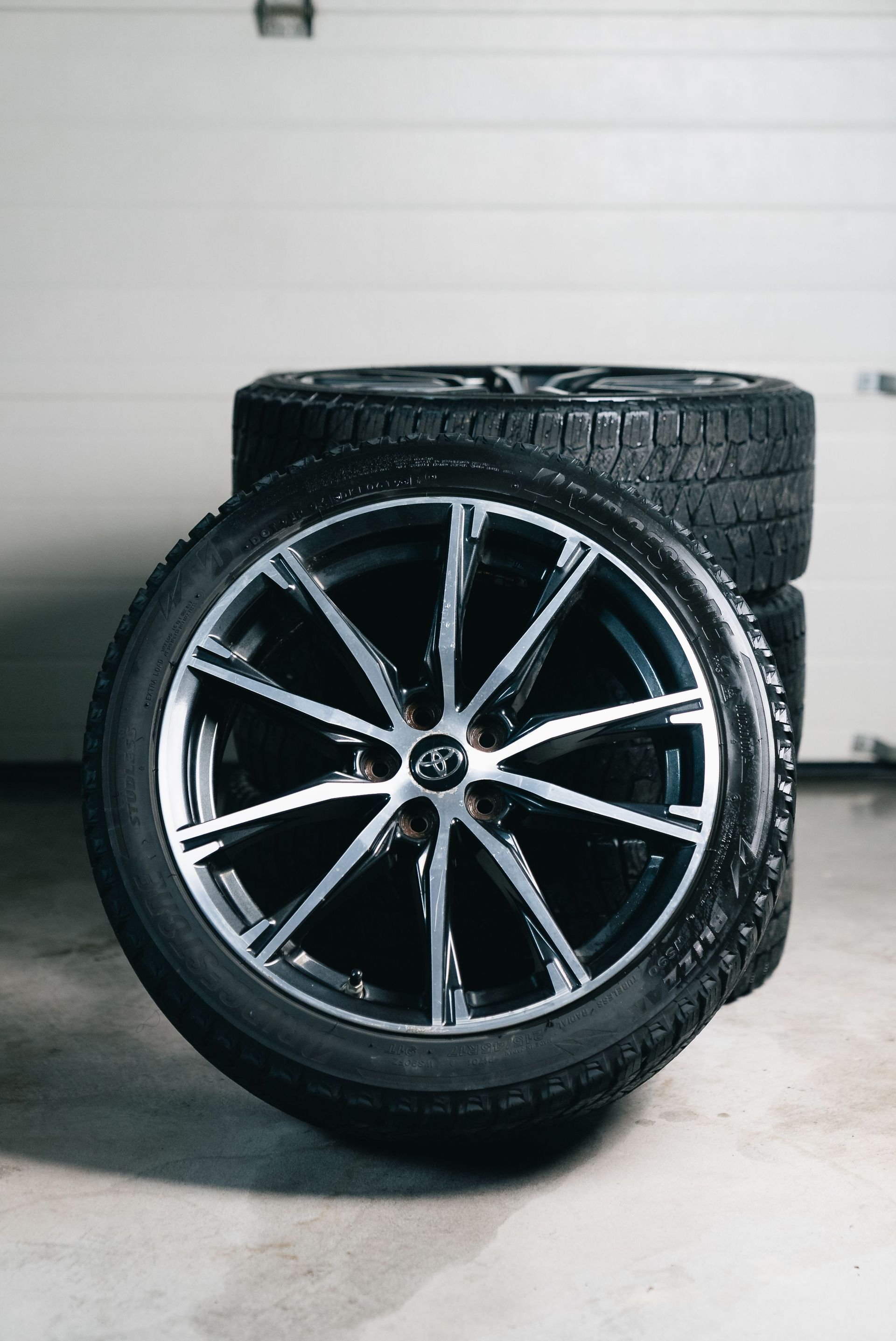
Chrome wheel being prepped for powder coating at Apex Powder Coating in Show Low, Arizona


You have probably seen it on your own parts. Chrome rims that run forest roads pick up gravel chips, and within a season rust bleeds out from under the plating. Patio furniture with chrome-plated tubing starts to peel after a few summers at elevation. A motorcycle part that used to blind you in the sun now looks worse than if it had been painted from the start. So, can you powder coat chrome? Yes, you can, and it is one of the better ways to break the rust-and-peel cycle on a chrome part you want to keep. The catch that matters most: the powder almost never goes on top of the chrome itself. The plating usually has to come off, or be thoroughly abraded, before coating.


General information only. This article explains typical chrome prep, adhesion limits, and when stripping comes first so you can plan a realistic powder coating project. It is not a warranty, guarantee, or shop-specific promise that every chrome part can be coated as-is. Outcomes depend on inspection of your part, the plating condition, and the substrate underneath.


Can You Powder Coat Chrome? The Short Answer From the Shop Floor


Powder coating is a dry finish applied with an electrostatic charge and then cured in an oven at roughly 400°F according to the powder manufacturer's schedule. The coating bonds mechanically to the surface it is applied to. It needs a clean, slightly roughened surface to grip, which is one reason professional prep almost always includes sandblasting or media blasting. Chrome plating is a mirror-smooth, non-porous layer that gives powder almost nothing to hold on to.


It also helps to understand what "chrome" actually is on your part. What you see is a thin layer of chromium, usually plated over a nickel layer (and sometimes copper) on top of a base metal, most often steel or aluminum. The part itself is the substrate. The chrome is just the skin. When we talk about powder coating a chrome part, we really mean coating the steel or aluminum underneath, and the plating has to be dealt with first.


When a chrome part comes into the shop, the story is usually the same: plating lifting at the edges, rust stains weeping from pits, and flaking wherever a rock or a wrench has hit it. Once you have seen how chrome fails, the prep requirements stop sounding like shop fussiness and start sounding like common sense.


Why Chrome Fails in Arizona Before Coating Even Enters the Picture


Chrome does not fade in the sun the way paint does, so the UV at White Mountains elevation is not the main enemy of the plating itself. What attacks chrome in this part of Arizona is the combination of gravel, moisture, and temperature swings.


Gravel from forest roads and winter road treatments chips the plating, and every chip is a doorway. Once moisture reaches the steel or nickel underneath, rust forms under the chrome layer, and because rust takes up more space than the metal it replaces, it lifts the plating from within. A chip the size of a pinhead becomes a nickel-sized flake, then a peeling sheet. Freeze-thaw cycles through a Show Low winter and monsoon humidity in late summer both accelerate the process. Meanwhile, high-elevation UV punishes the liquid touch-up paint and rattle-can coatings people apply over failing chrome, so the temporary fixes fade and crack faster than they would at lower elevation.


This is also why coating over intact-looking chrome is risky. If there is any hidden rust under the plating, it can keep growing after the powder is on, and you may eventually see it as blisters or lifted spots in the new finish. General corrosion science is straightforward on this point: rust under a coating continues unless the source is removed, which is why the Powder Coating Institute and powder manufacturers alike emphasize thorough surface preparation and removal of corrosion before coating. You can read more about prep and process fundamentals at the Powder Coating Institute.


Is It Really Chrome? Identifying What You Are Actually Coating


Before you plan a project, it is worth figuring out what your part actually is, because "chrome" gets used loosely and the answer changes the prep plan.


Decorative chrome over steel is the most common: bumpers, many rims and wheels, trim, nerf bars, and older patio furniture tubing. It chips and rusts as described above.


Hard chrome is an industrial plating found on hydraulic rods, shafts, and heavy equipment components. It is thick, functional, and a completely different animal. Blasting it off is often impractical, and on precision parts like hydraulic rods the surface tolerances usually make them poor powder coating candidates in the first place. That is general industry guidance, and it is a conversation to have with the shop before assuming a hard-chromed part can be done.


Polished aluminum is mistaken for chrome constantly, especially semi truck fuel tanks, some motorcycle parts, and modern trim. It does not have plating to remove, but it does need proper cleaning and profiling, and it needs media chosen carefully so the surface is not eroded.


Stainless steel also gets called chrome because it is shiny and does not rust like carbon steel. Stainless can be powder coated successfully with the right prep, though its naturally smooth, passive surface requires proper blasting to create a bond profile.


A few simple checks help you sort it out at home. Try a magnet: steel cores attract a magnet, aluminum and zinc castings do not, and stainless is weakly magnetic or not magnetic at all depending on the alloy, so treat the magnet as a hint rather than a verdict. Look at where the rust appears: rust means a steel core or a steel fastener is involved. Flaking layers mean plating; a uniform dull haze on a non-magnetic part usually means oxidized aluminum.


Identification matters because it drives three decisions: which blasting media is safe for the substrate, whether the part can tolerate a roughly 400°F oven cure, and whether any attached components need to be removed or masked first. Every part that comes to Apex gets inspected and estimated before anything is assumed coat-ready. Steel, stainless, and aluminum are the shop's common substrates, and suitability depends on the alloy, thickness, prior coatings, and heat tolerance of the specific part.


Chrome Prep Options: Strip, Blast, or Scuff


Once you know the part, the question becomes how the chrome comes off. There are three practical routes, and they are not equal.


Media blasting (the usual answer). For steel parts with decorative chrome, blasting with an aggressive cutting media such as aluminum oxide or steel grit removes the plating and creates the surface profile the powder needs in one operation. This is the standard route for chrome rims, bumpers, and trim headed for powder coating.


Heavy abrasion or scuffing over sound chrome. Some shops will scuff intact plating heavily and shoot over it. On small, indoor, decorative items with truly sound plating, this can be a conversation. But it is the least reliable option, especially for anything that lives outdoors, hauls loads, or sees vehicle use, because adhesion over a smooth plated surface is marginal and any hidden under-plating rust stays in place. Treat it as a shop discussion with honest risk framing, not a recommendation.


Chemical stripping off-site. Some plating shops chemically strip chrome. If your part comes back bare, it drops into a standard prep-and-coat workflow with no extra steps. If you already have a relationship with a plating shop, this can be the practical route for parts where blasting alone would be a struggle, such as thick or intricate plating. Ask the shop about your specific part rather than assuming one path. Apex focuses on media blasting and coating; chemical chrome stripping is framed here as an off-site option, not an on-site Apex service claim.


One more honest limitation: not every part is a candidate at all. Parts with rubber, plastic, bushings, bearings, or sealed assemblies attached may not be able to reach the roughly 400°F cure temperature unless those components are removed or the part is designed to allow masking. And if a chrome part has rust-through pits, dents, or cracked brackets, it may need straightening or welding and fabrication repair before it can be blasted and coated. Repairs come before prep, always.


Media Blasting for Chrome Removal: What Each Media Does


Media choice is where an experienced operator earns their keep, because the wrong media can damage a part that could have been saved. Apex works with four media, each with a distinct job:


Two things happen during a good blast: the old finish comes off, and the surface gets a texture that gives the powder a mechanical grip. Profile depth matters. Too little profile and adhesion suffers; too much, or the wrong media on a thin part, and you can erode or warp the substrate. This is exactly why delicate aluminum parts that look like chrome go to glass bead or walnut shell rather than steel grit.


There is also a safety side to chrome removal worth understanding as a customer. Stripping chromium plating creates dust containing chromium compounds, including the hexavalent form that OSHA regulates specifically in plating and finishing work. OSHA's hexavalent chromium standards exist because this dust is a real occupational hazard, which is a strong reason to leave chrome removal to an equipped shop with enclosed blasting and proper controls rather than attacking it in your driveway.


When Chrome Parts Need Repair Before Coating


Chrome parts that have been failing for a while often bring damage with them. Rust-through pits that blasting alone cannot clean out, bent trim, dented bumpers, and cracked brackets all need to be corrected before coating, because powder is only as good as the surface beneath it. A pit that is coated over will telegraph through the finish, and a crack that is coated over is still a crack.


This is where having fabrication and repair capability in-house matters. A part that arrives rough can be straightened, welded, or patched, then blasted and coated, so you get one finished project instead of a part that bounces between three shops. If your chrome part has structural damage, mention it when you request your estimate so repair time is built into the plan from the start.


And a reminder on heat: if the part carries anything that cannot take roughly 400°F, like rubber bushings, plastic trim clips, bearings, or sealed electronics, those items need to come off before coating or the part may not be a candidate at all. Better to know at the estimate stage than after the part is on the rack.


Choosing a New Finish to Replace the Chrome Look


Once the chrome is gone, you get to make the fun decision, and there are really two camps of customers.


Some want the chrome gone permanently and are happy to move to a solid color: satin black rims, a textured black bumper, a colored motorcycle frame. Others love the chrome look but hate the chrome upkeep, and want to know if powder can deliver the shine without the polishing. The honest answer is that bright metallic silver powders can approximate a polished chrome appearance very well, but a powder metallic is not identical to electroplated chrome. The sheen is slightly different, and metallic powders rely on metallic flakes in the coating rather than a plated mirror surface. Set your expectations accordingly and you will be happier with the result.


As a Qualified Prismatic Powders Applicator, Apex works from the Prismatic Powders line, which offers more than 6,500 colors and finishes. That range includes glosses, satins, mattes, textures, wrinkles, hammertones, metallics, and special effects, so whatever direction you take, there is usually a finish for it. You can explore the range at Prismatic Powders before your conversation with the shop, then confirm the specific finish you want is available for your job.


A few Arizona-specific pointers for choosing:


What the Powder Coating Process Looks Like for a Chrome Part


With the decisions made, the job itself follows a familiar rhythm. You can see the full service detail on the powder coating page, but here is the shape of it:


Big Chrome, Long Parts, and Trailer-Scale Projects


Chrome shows up on some genuinely large items, especially in the trucking and off-road world: big rig fuel tank accents, bumpers, stacks, long nerf bars, and show-trailer trim. The practical question is always whether the part fits in the cure oven.


Apex's commercial oven measures 10' Ã- 10' Ã- 30', which means long chrome items like stack pipes and nerf bars can often be cured in one piece, and large projects like car frames and roughly 30-foot trailers fit within the published capacity when the project fits. If you are unsure whether your item fits, measure it and ask; oversized or awkward projects are exactly what the large-item coating service is set up for. For very large assemblies, staging a project across multiple pieces or partial disassembly is sometimes the answer, and that gets sorted out at the estimate.


Logistics are flexible too. Local customers from Show Low and nearby White Mountains communities typically drop off or arrange pickup. For customers outside the area, Apex works with shipped-in projects and arranged logistics within roughly 250 miles of Show Low and beyond by arrangement, so distance is usually a scheduling question rather than a disqualifier.


Planning Your Project: Photos, Measurements, and Turnaround


The fastest path to an accurate quote is good information. When you reach out, include:


On timing: most standard jobs finish in 2-5 business days, and larger jobs like trailers and car frames typically run 5-7 business days. Chrome removal is prep-heavy work, and parts with heavy under-plating rust or needed repairs can add time on the front end. Availability varies, so confirm current timing when you request your quote rather than planning around a fixed date.


Cost depends on the specifics of your part: its size, the substrate, its condition, how much blasting and chrome removal it needs, whether repairs come first, the color and finish complexity, and large-item handling for oversized pieces. Rather than guessing at numbers, the honest route is a free, no-obligation quote from the shop once they can see what they are working with.


Common Mistakes When Getting Chrome Parts Powder Coated


A handful of avoidable mistakes account for most disappointing outcomes:


Caring for Your New Finish in White Mountains Conditions


A properly prepped and cured powder coat is a durable finish, but Arizona will still test it. A little routine care keeps it looking right:


Next Step: Talk Through Your Chrome Part With Apex Powder Coating


The decision comes down to a few practical criteria: what the part actually is under the plating, how badly the chrome has failed, whether repairs come first, what finish you want in chrome's place, and whether the part fits the job and the oven. Apex Powder Coating is a family-owned shop in Show Low, established in 2023, built around exactly this kind of work: media blasting, powder coating, in-house fabrication and repair support, and large-item capacity for the White Mountains and Arizona communities within about 250 miles. You can read more about the team on the About page.


If you have a chrome part that has started its slow decline, the easiest first move is a free, no-obligation quote. Request one through Apex's online quote form, call (928) 251-2967, or email info@apexpowdercoatingaz.com. Bring the part by the shop at 1560 E. Lumbermens Loop, Show Low, AZ 85901, or arrange pickup or shipping. Photos and measurements get you the fastest, most accurate answer on what your part needs.

Media Best suited for Character
Aluminum oxide Stripping chrome, paint, and rust from steel Aggressive cutter, leaves a strong bond profile
Steel grit Heavy stripping and profiling on steel Fast and aggressive on thick plating and scale
Glass bead Cleaning and finishing softer metals, aluminum, stainless Smoother finish, less material removal
Walnut shell Delicate stripping where substrate protection matters Gentle, for thin or fragile parts

Recent Posts

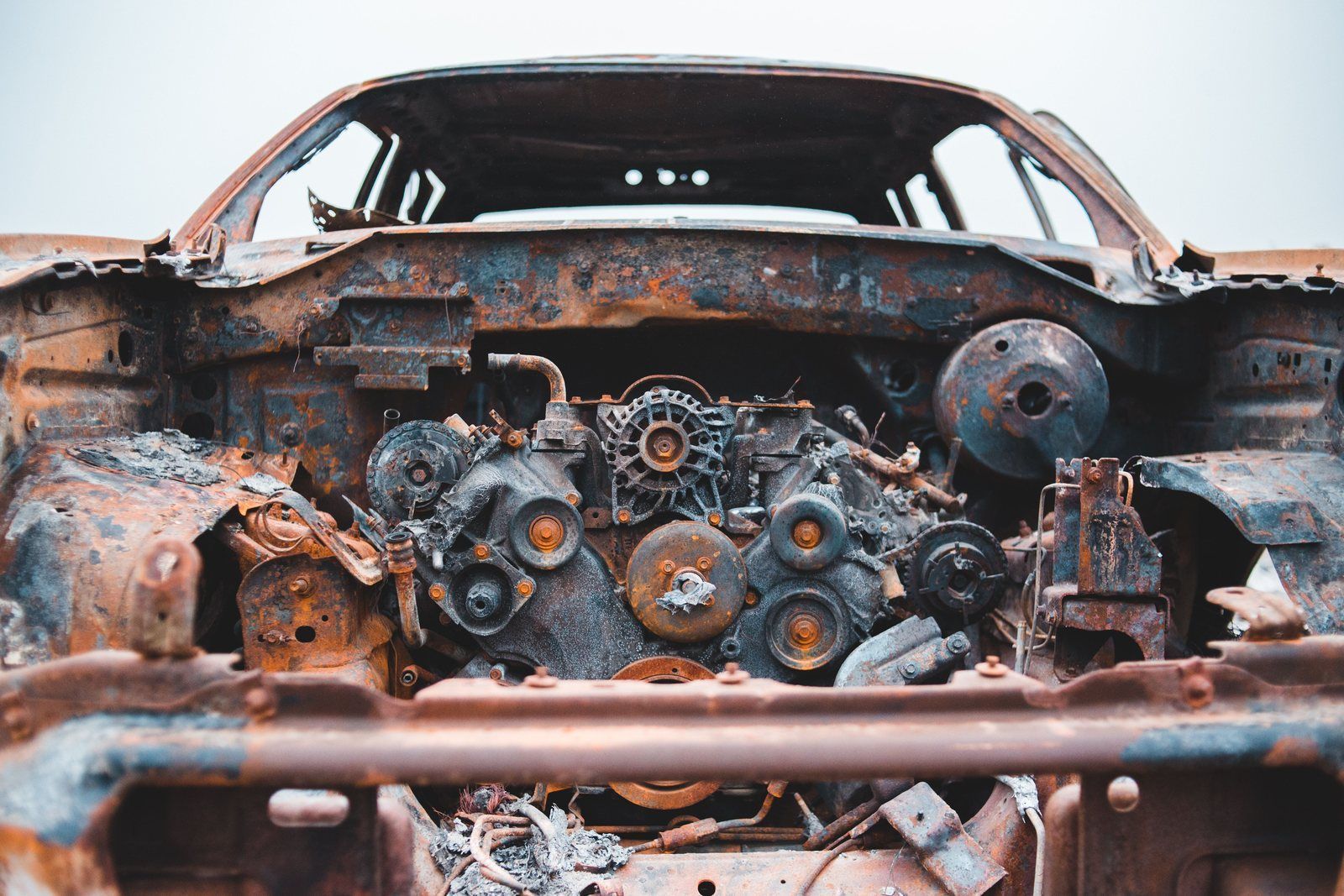
Heavily rusted car body and engine bay with scaled, pitted metal and corroded parts
By Admin • October 8, 2026
How much does sandblasting cost? Learn what drives a blasting quote in Arizona, from rust and part size to media, and what to send for an accurate number.
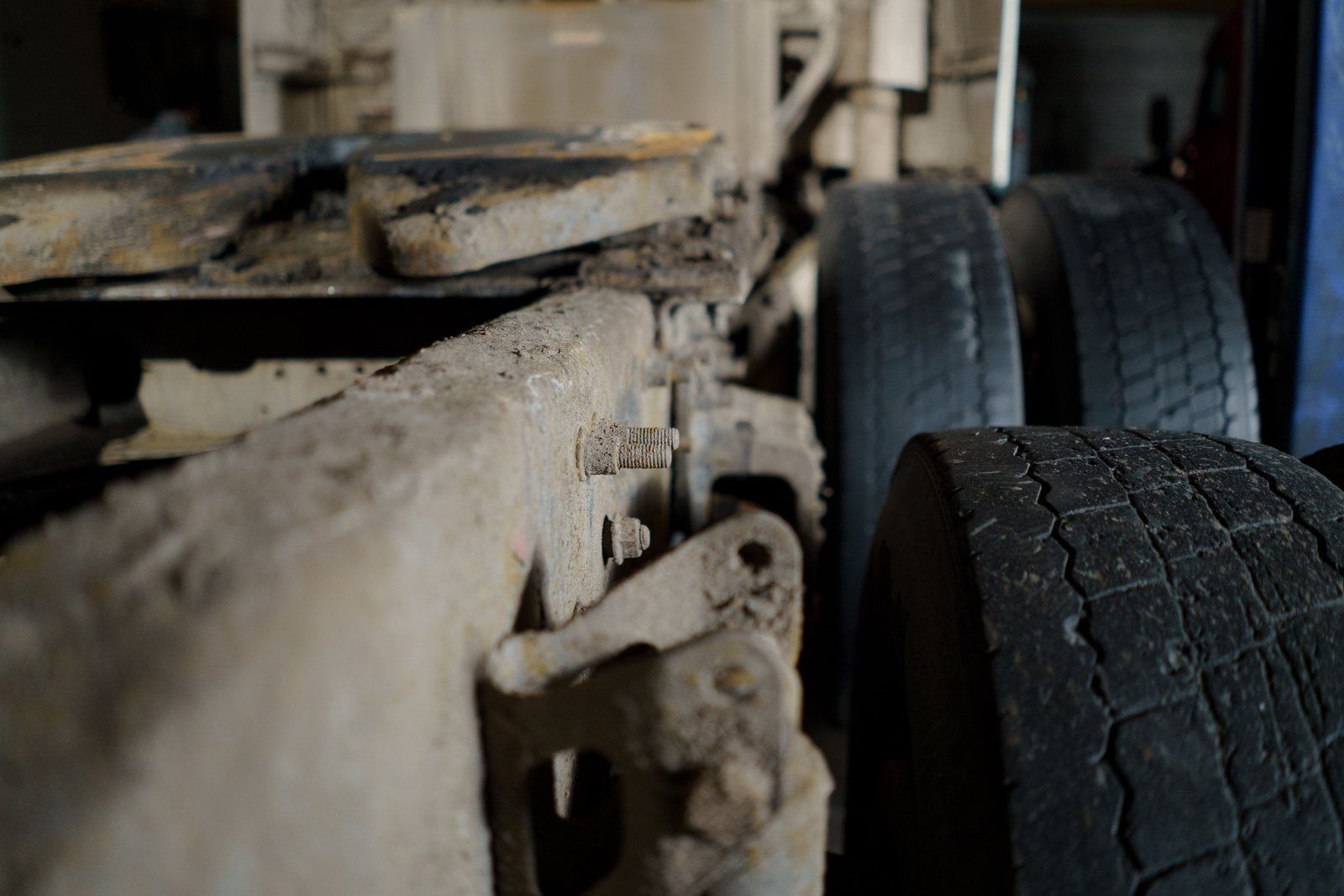
Close-up of a grimy truck chassis frame rail with exposed bolts and dual rear tires inside a shop
By Admin • October 6, 2026
Powder coating a chassis in Show Low, AZ: tear-down, masking, blast prep, oven fit, colors, 3 to 5 day turnaround, and a free quote.
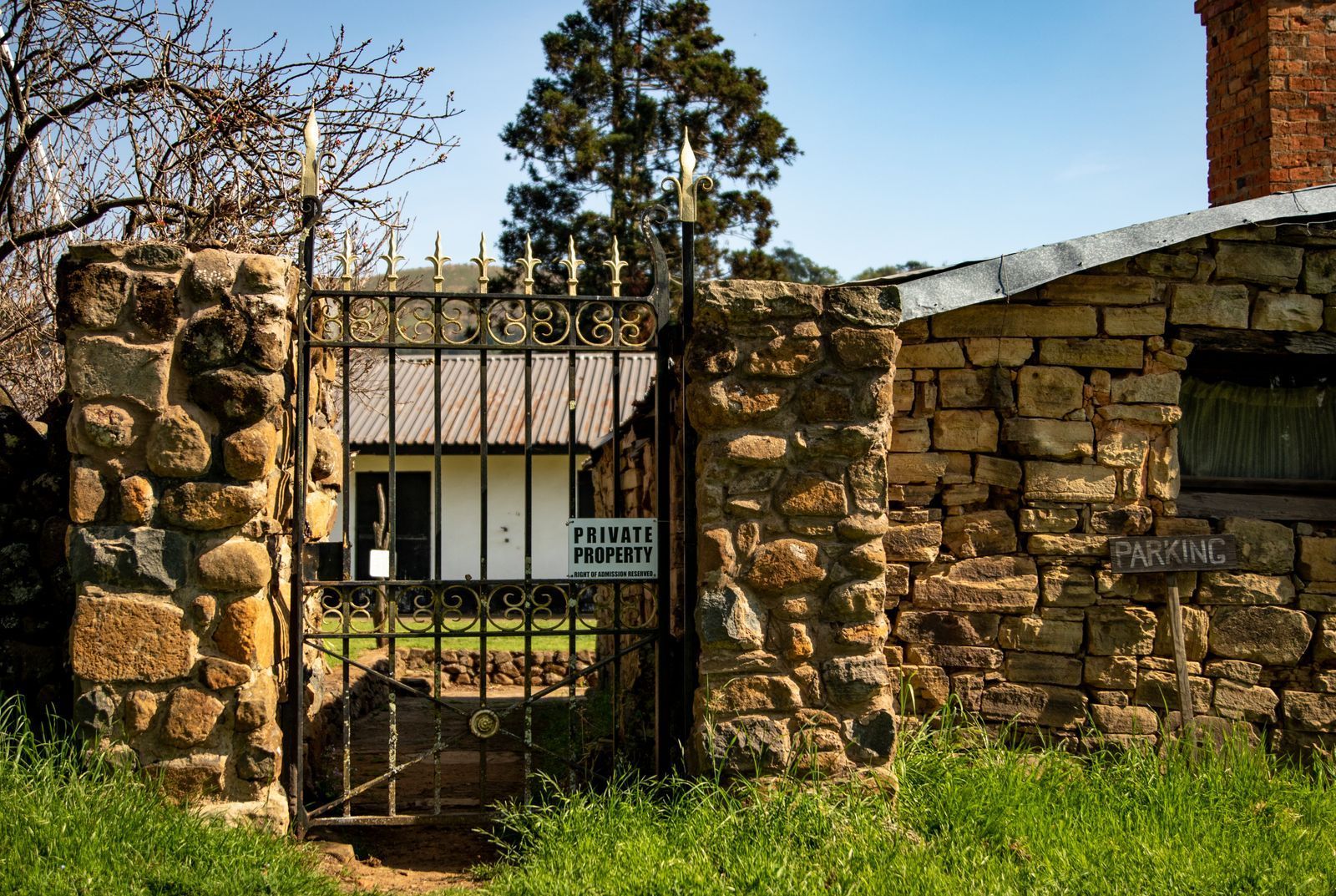
Ornate black and gold metal gate between stone pillars in front of a white building.
By Admin • October 1, 2026
Powder coating metal gates in Show Low, AZ: blasting, hinges and hardware, oven fit, colors, 3 to 5 business day turnaround, and a free quote.
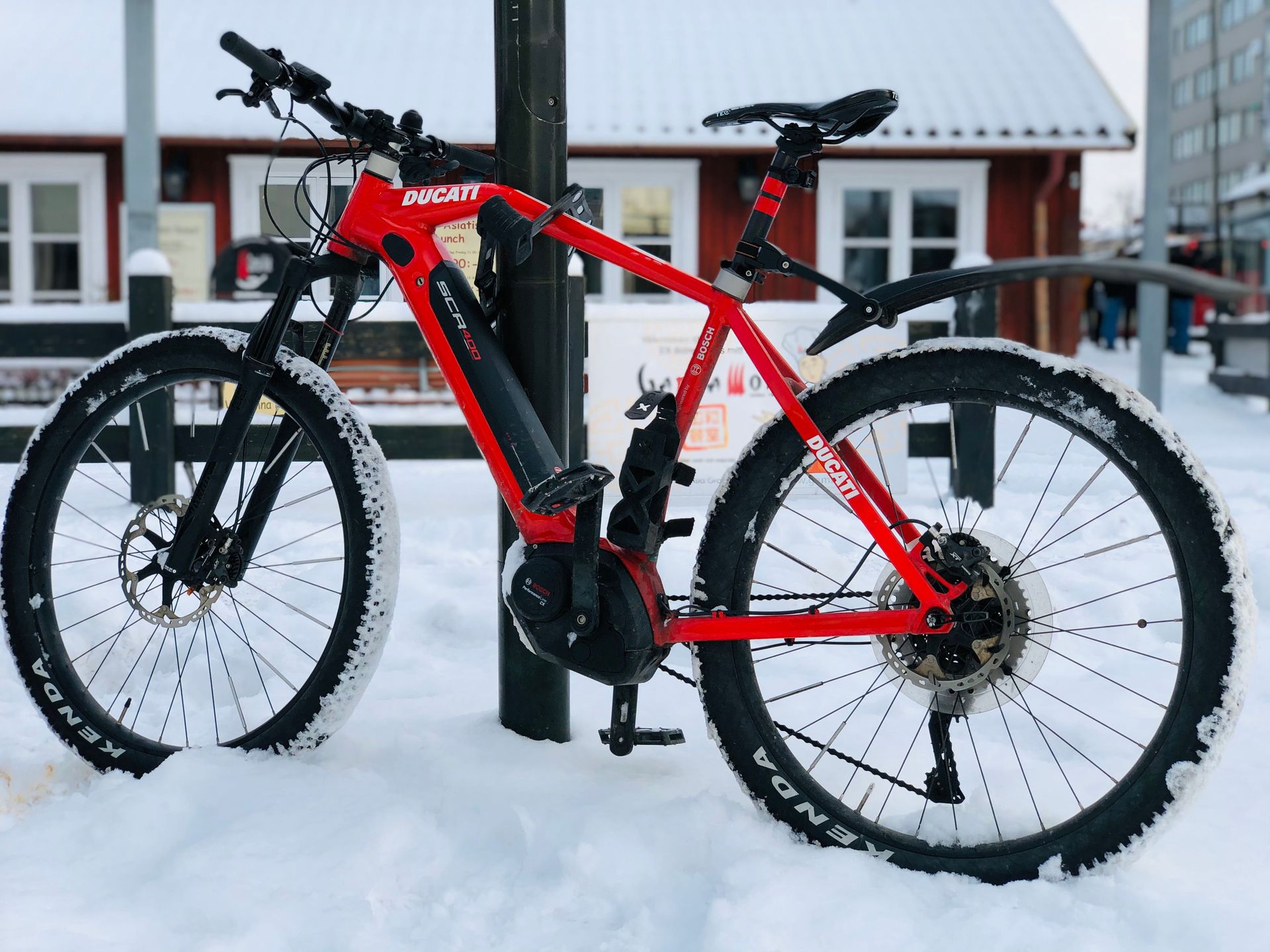
Red electric mountain bike parked against a pole outdoors in the snow
By Admin • September 30, 2026
Planning powder coating for a bike frame? Apex in Show Low covers prep, disassembly, masking, colors, 3 to 5 day turnaround, and how to get a free quote.
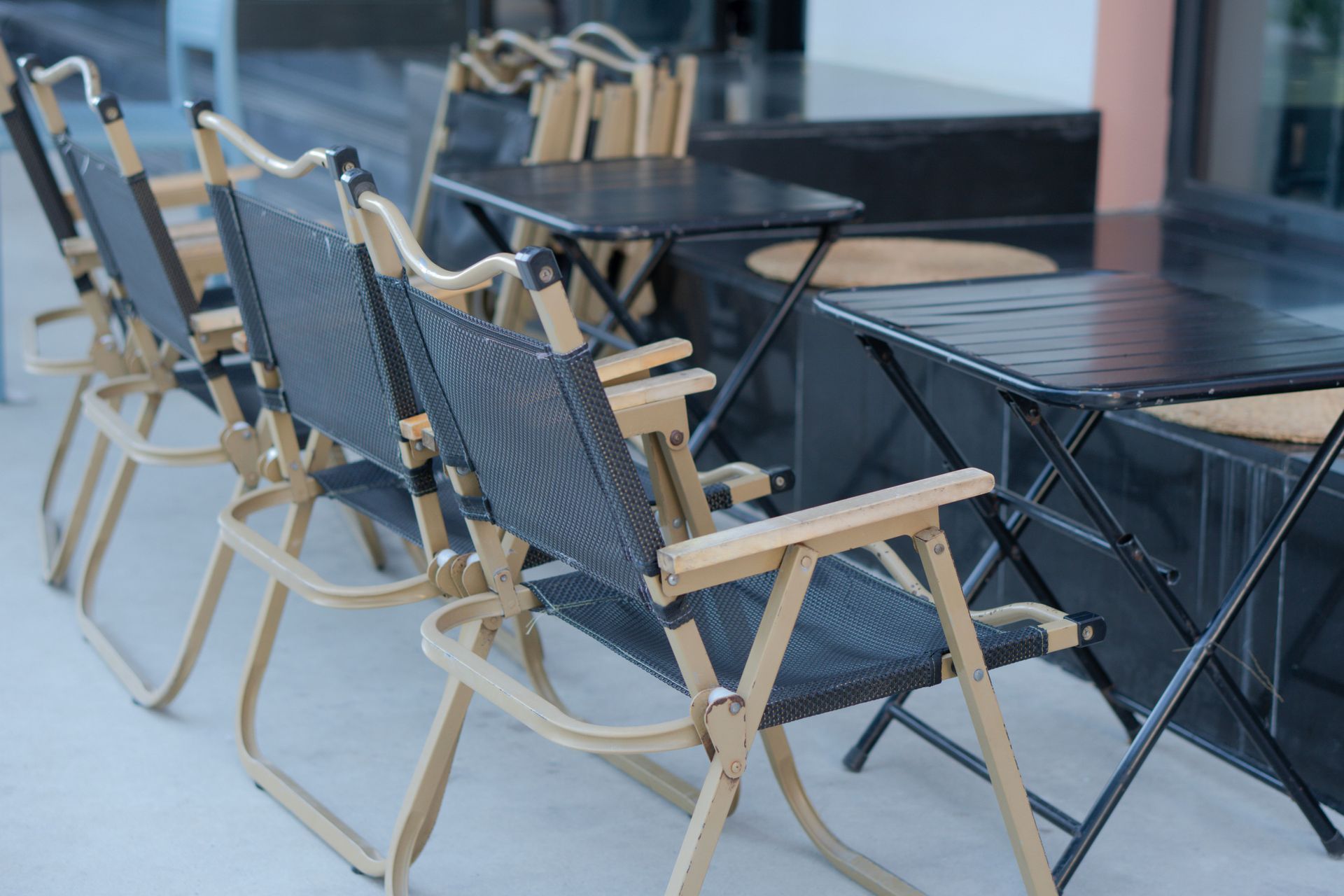
Powder-coated metal lawn furniture set finished for outdoor use
By Admin • September 29, 2026
Powder coating lawn furniture for Arizona sun and outdoor use. Prep, colors, turnaround, and how to request a free quote from Apex in Show Low.
Freshly powder-coated steel brackets and panels hanging after curing in an Arizona powder coating sh
By Admin • September 8, 2026
How long does powder coating last in Arizona? See what drives lifespan: prep, UV-stable finishes, cure quality, White Mountains climate, and care tips.
Black powder-coated wheel rim with detailed spokes
By Admin • September 8, 2026
Powder coating wheels cost in Arizona depends on size, blast, curb rash repair, finish, and set quantity. See what shapes your rim quote before you estimate.
Apex Powder Coating worker applying durable powder to metal parts during a Show Low, Arizona project
By Admin • September 7, 2026
Learn what drives powder coating prices in Arizona, from surface prep and part size to finish complexity, and prepare for an accurate quote from Apex Powder Coating.
Painter applying pink paint to a metal surface with a small roller and brush
By Admin • September 1, 2026
Quick Answers  Is powder coating better than paint? Powder is generally the stronger choice for removable, oven-safe metal; paint is more practical for installed, oversized, or heat-sensitive parts. Which finish holds up better outdoors? Use an exterior-rated system with sound prep; powder is a durable option for removable parts, while paint can perform well when field repair is important. Is powder coating more expensive? It can cost more up front, but a suitable powder system may reduce refinishing work over the life of the part. Can damaged powder coating be repaired? Touch up small chips to seal the metal; for large damage or a full color change, remove and recoat the part when feasible. Powder coating and paint are both legitimate metal-finishing tools. The decision starts with a physical constraint: can the part be transported to a coating shop and safely handle an oven cure? If the answer is no, liquid paint is not a compromise—it is the usable method. If the answer is yes, powder coating may offer a more durable finish for a part that sees sun, abrasion, weather, or regular cleaning. That distinction keeps the comparison honest. A welded-on railing, structural member, or assembled piece with heat-sensitive components does not become a powder-coating candidate just because powder can be tougher. On the other hand, a removable gate, wheel, trailer component, furniture frame, or equipment guard is often well suited to shop preparation and a baked finish. How the Two Finishes Work Liquid paint Liquid paint carries resin and pigment in a water- or solvent-based system. It is brushed, rolled, or sprayed, then dries and cures under the conditions specified by its manufacturer. A durable paint job usually involves more than one layer: surface preparation, an appropriate primer, one or more finish coats, and sometimes a clear coat. The advantage is flexibility. Paint can be applied to installed work, large structures, nonmetal substrates, and assemblies that cannot tolerate curing heat. The trade-off is that application conditions, film build, and drying intervals have a larger effect on the result. Runs, dry spray, inconsistent coverage, and poor adhesion are all possible when the process is rushed. Powder coating Powder coating uses dry resin-and-pigment particles rather than a liquid carrier. The particles are applied electrostatically to a grounded part, then heated until the coating flows and cures. The Powder Coating Institute’s overview of the process explains the basic application and cure sequence. Because the work happens in a controlled shop environment, the coater can manage preparation, masking, application, and cure more consistently. The part still has to qualify: it must be transportable, fit the available equipment, and tolerate the cure schedule for the selected powder. That is why powder works well for many metal components but not for every project.
Close-up of a chrome V emblem and silver slashes on a red car hood
By Admin • August 27, 2026
Northern Arizona guide to sandblasting and powder coating: learn how prep, finish choice, and Arizona weather affect durability, cost, and results.

Show More