Powder Coating Chassis: Prep, Masking, Finish Choices, Quotes

Admin • October 6, 2026

Share this article

Walk around a chassis that has spent a few years under a vehicle in the White Mountains and you will usually see the same story. Undercoating hangs off the frame rails in torn gray sheets, with rust blooming behind it where moisture sat trapped. Inside boxed C-channel sections, scale builds where nobody ever looked. If the rig rides low, there are scrapes from curb contact. If it sees trails, there is rock rash along the skid plates and lower rails. After enough summers of high-elevation UV plus winter road treatments on Highway 60 or SR 260, whatever paint was left has gone chalky and tired.


Here is the short answer to the question that probably brought you here: yes, a car frame, subframe, or roll cage is one of the best powder coating candidates you will ever bring to a shop. Powder coating a chassis gives the frame a durable, uniform, corrosion-resistant finish that outlasts rattle-can and brush-on chassis paint when the prep is done right, and the process rewards a builder who stages the project correctly. The decisions that shape your result are candidacy, tear-down, blasting, masking, oven fit, finish choice, and turnaround, and each one is easier to get right before drop-off than after.


If you are restoring a classic in Pinetop-Lakeside, building a race chassis in a Snowflake shop, or freshening a trail rig before the next trip out of Heber-Overgaard, this guide walks through those decisions the way a coating shop actually thinks about them. Apex handles automotive frames and chassis powder coating as a core service, and the details below apply whether your frame is a bare ladder chassis or a still-assembled roller.


Is Your Chassis a Powder Coating Candidate?


Start with the substrate, because it determines everything downstream.


Steel car frames are the classic and most common candidate. Full frames, ladder frames for trucks and SUVs, race chassis, subframes, roll cages, and crossmembers all take powder beautifully once they are clean and blasted. Steel is forgiving: it tolerates aggressive blasting to remove scale and rust, and it handles the cure oven without complaint.


Aluminum and stainless frame components can also be candidates, but only when the specific part and alloy tolerate blasting and cure heat. Confirm those pieces with the shop when you request your quote.


Condition matters as much as material. Light surface rust in the rails is a straightforward job. Heavy scale, undercoating, flaking paint, or a previous spray-bomb finish is still coatable, but all of that has to come off first. Anything left on the surface becomes part of the coating system and eventually fails with it.


The one hard stop is heat. Powder cures at roughly 400°F, so anything on the chassis that cannot tolerate that temperature must come off before coating. Bushings, bearings, rubber isolators, grease-packed components, wiring, and press-in items that cannot take the heat all have to be removed. If you are unsure whether a component can stay, say so when you request the quote rather than discovering the answer the hard way. For authoritative discussion of cure temperatures and dwell times, the technical data sheets from Prismatic Powders and reference materials from the Powder Coating Institute (PCI) are the right sources, and a good shop will be working from exactly that kind of guidance.


Assembled vs. Bare Frame: What Changes


A stripped, bare chassis is the ideal input. It is faster to quote and blast, and powder can reach inside rails and boxed sections without fighting around attached parts. Those hidden areas are exactly where corrosion starts.


A partially assembled frame can still be workable, but expect longer prep and masking, and possibly a teardown conversation before the blast booth. Heavily rusted or fully assembled frames can also push turnaround beyond the standard window because the prep hours are larger. Decide what you are willing to remove before you call, and the quote you get will be sharper for it.


What Must Come Off Before Coating (Tear-Down Checklist)


The categories below cover what a shop needs off the frame before powder goes on, and why.


Item / Component Remove or Leave On Why Notes for Masking or Replacement
Bushings and bushing sleeves Remove Rubber and bonded bushings cannot tolerate cure heat Replace with new bushings after coating; leave bores masked or clean for press-fit
Bearings and bearing races Remove Grease and seals fail at cure temperature Protect bearing seats with high-temp plugs or caps if left bare
Brake lines and fuel lines (when coating rails cleanly) Remove (preferred) Lines shield rail surfaces and trap blast media Reinstall after coating; clip and routing photos help reassembly
Wiring harnesses and loomed wires Remove Insulation and connectors fail in the oven Photograph loom routing before removal
Rubber mounts and isolators Remove Rubber burns and contaminates the coating Replace with new mounts after assembly
Grease-filled or lubricated parts Remove Grease outgasses and ruins adhesion nearby Clean mating surfaces before reinstall
Fasteners and crusty hardware Remove (preferred) Old hardware looks worse against a fresh finish Often cheaper to replace with new plated or coated fasteners than to mask
Weld zones for future brackets or cages Leave bare / mask Coating burns and contaminates welds Flag weld areas during quoting so they stay uncoated
Threaded holes and studs Leave on frame; mask Powder flows into open threads at cure High-temp plugs or tape; chasing threads after cure risks chipping
Bushing bores and sleeve holes Leave on frame; mask Bores must stay dimensionally clean for press-fit Mask before spray; verify fit after cure
Bearing seats and machined mating surfaces Leave on frame; mask Machined faces must assemble metal-to-metal High-temp tape or caps sized to the feature
Heat-sensitive press-in items Remove Cannot survive roughly 400 F cure Ask the shop if unsure before drop-off


Keep that checklist open while you strip the frame. A few points are worth pulling out. Hardware is often cheaper to replace with new plated or coated fasteners than to mask and coat. Anything that will be welded on later must stay bare at the weld area, because coating burns and contaminates welds. Leaving heat-sensitive parts installed is one of the most common and expensive mistakes; rubber, grease, and electronics do not survive a cure cycle.


Send photos of the frame in its current state with your quote request. If the shop can see bushings, wiring, or brake lines still in place, it can flag those items before drop-off.


Why Prep and Blasting Matter for Chassis Powder Coating


Powder coating bonds to the surface it is applied to, so that surface has to actually be the metal. Rust, undercoating, old paint, oils, and road film do not disappear under powder. They become part of the system, and the coating eventually fails with them.


That is why a gloss black chassis laid over unblasted rust is a six-month disappointment, not a restoration. Surface-preparation guidance from the Powder Coating Institute is blunt on this point: adhesion and longevity depend on prep quality, and no coating chemistry compensates for a contaminated or unsound substrate.


Blasting is the right call whenever the frame shows rust, mill scale, failed coatings, undercoating, or old paint, which in practice means nearly every chassis that arrives in Show Low. Apex uses sandblasting with a range of media, including aluminum oxide, glass bead, steel grit, and walnut shell. Thick steel rails with heavy scale can take an aggressive media. Thinner sections and delicate areas need a more controlled profile. That judgment is part of what you are paying a shop for.


Repair Before Coating When a Frame Needs It


Some frames arrive with problems no coating can fix: cracked motor mounts, rusted-through sections, damaged mounting tabs. Repair those before blasting and coating, otherwise the new finish goes over a defect.


Apex can handle in-house welding and repair when a part needs work before coating, as part of its custom fabrication capability. Raise repairs during quoting rather than assuming fabrication is included.


Masking Threads, Bushing Bores, and Mating Surfaces


Masking protects every surface that must remain bare: threaded holes and studs, bushing bores and sleeve holes, bearing seats, machined mating surfaces, bracket alignment faces, and any area that must stay open for later welding or assembly.


Powder flows when it cures, and it flows into everything open. A masked thread takes a few seconds before cure. An unmasked thread can take an hour with a tap afterward. Buyers sometimes ask whether they can coat everything and chase threads later. You can, but you should not. Chasing threads after cure risks chipping the coating at the hole edge, and a chip there is a corrosion entry point, especially with Arizona winter road treatments. A properly masked powder coated frame assembles cleanly.


Shops use high-temperature plugs, caps, and tape rated for the cure cycle. Include close-ups of threaded bores and machined areas with your quote photos so masking time is estimated honestly.


Oven Size and Coating a Full Chassis in One Piece


The cure oven determines what can be coated as a single piece. A shop with a small oven has to coat a long chassis in sections, or turn the work away. Plenty of people who search for chassis powder coating near me discover that problem after the frame is already loaded on a trailer.


Apex's curing oven measures 10 feet by 10 feet by 30 feet and is described on-site as one of Arizona's largest. That capacity supports large-item coating of highway-fit and roughly 30-foot trailers, car frames, and sizable industrial equipment when the project fits the published dimensions. The site lists full chassis, subframes, roll cages, and body panels under that service.


Include overall length, width, and height with your quote request, and let the shop confirm fit. Thirty seconds of measuring saves a wasted trip.


Choosing a Color and Finish: Chassis Black and Beyond


Chassis black, typically a low-gloss or satin black, is the traditional choice. It hides road grime, looks correct on restorations, and holds up under a vehicle. For a faithful restoration or a work truck on ranch roads, it is rarely the wrong answer.


It is not the only answer. Gloss blacks bring depth on show builds. Grays and silvers read modern. Race chassis and roll cages that are meant to be seen often get bold colors, and powder coating a roll cage in a bright finish can make the safety structure a design feature. Textured finishes help hide minor imperfections on a frame that has lived a hard life.


As a Qualified Prismatic Powders Applicator, Apex has access to more than 6,500 colors and finishes. Prismatic Powders publishes technical resources on finish appearance and performance characteristics when you are choosing between a smooth gloss and a textured black.


Do not choose a finish from a phone photo alone. Color and gloss read differently on a full frame under Arizona sun than on a small swatch indoors. Ask about samples, and discuss durable options for the environment your chassis actually lives in.


Turnaround: Planning Your Build Around Coating


Most standard jobs at Apex are completed within 3 to 5 business days from drop-off, depending on job size and prep.


A heavily rusted frame, a fully assembled chassis, or a project that needs thick undercoating blasted off plus extensive masking will take longer than a clean bare frame. Photos of rust and old coating are worth more than a paragraph of description. Share your deadline when you request the quote so the shop can schedule around a car show, race date, or other hard date.


Getting a Free Quote: Photos, Measurements, and Disclosures


An accurate quote starts with accurate information. When you reach out, include:


  • Overall length, width, and height of the chassis or frame
  • Whether it is bare, stripped, or still assembled
  • The substrate if you know it (steel, aluminum, stainless)
  • Condition photos showing rust, old coating, undercoating, and any damage
  • Your color and finish goals
  • Your deadline, if you have one
  • Whether you plan to drop off in Show Low or ship the frame in


Apex can accept shipped projects and can arrange pickup or shipping for distant builds; ask the shop for specifics. Local builders in Show Low, Pinetop-Lakeside, Snowflake, Taylor, Heber-Overgaard, Holbrook, Springerville, Eagar, Whiteriver, Payson, and Flagstaff can drop off. The quote is free and carries no obligation by phone at (928) 251-2967 or email at info@apexpowdercoatingaz.com.


What Affects the Cost of Coating a Chassis


Real numbers for your specific frame come from the quote. The factors that drive them include chassis size and whether it fits in one piece, substrate, condition (rust and old coating drive prep time), blast intensity, masking complexity, color and finish complexity, quantity, and shipping or pickup logistics for out-of-area builds.


If durability is part of the value question, see how long powder coating lasts in Arizona.


Living With a Powder Coated Chassis in Arizona


Match expectations to where the chassis lives. High-elevation UV in the White Mountains and around Flagstaff is harder on finishes than valley heat. Freeze-thaw, monsoon moisture, and winter salt or gravel on mountain highways attack coating edges and chips. Trail, ranch, and fleet use add abrasion.


Wash routinely, especially after road-treatment season. Avoid harsh solvent cleaners and abrasive pads. Touch up chips at bolt-on points before corrosion starts under the coating edge. With proper prep and reasonable care, a powder coated chassis is a durable, chip- and corrosion-resistant finish, not a lifetime guarantee.


Choosing a Shop for a Long Frame


Whether you choose Apex or another shop, ask a few questions before you commit. Can the oven fit a full-length chassis in one piece? Is blasting done in-house? Can they mask threads, bores, and mating surfaces, not just the easy outside faces? Can they handle repairs if the frame arrives cracked or rusted through? Do they quote from photos and dimensions?


Avoid the common mistakes: skipping prep quality in a quote comparison, assuming every shop can fit a long frame, leaving heat-sensitive parts installed, choosing a finish from a phone photo alone, assuming fabrication repairs are included, and expecting the standard 3 to 5 business day turnaround on a heavily rusted or fully assembled frame.


Apex checks those boxes with a 10-by-10-by-30 oven, in-house blasting, fabrication capability for frames that need work, and Qualified Prismatic Powders Applicator status. The shop is family-owned and was established in 2023 in Show Low.


Get Your Chassis Coated Right


A frame that is staged correctly, prepped honestly, and coated in an oven big enough to take it in one piece is the part of your build you never have to think about again. Get there by requesting a free quote, with no obligation, through the online form, by phone at (928) 251-2967, or by email at info@apexpowdercoatingaz.com. Drop off at 1560 E. Lumbermens Loop, Show Low, AZ 85901, or ask about shipping and arranged pickup if you are building from farther out. While you are deciding on a finish, browse the gallery for examples, and stop by the About page to meet the shop.


Recent Posts

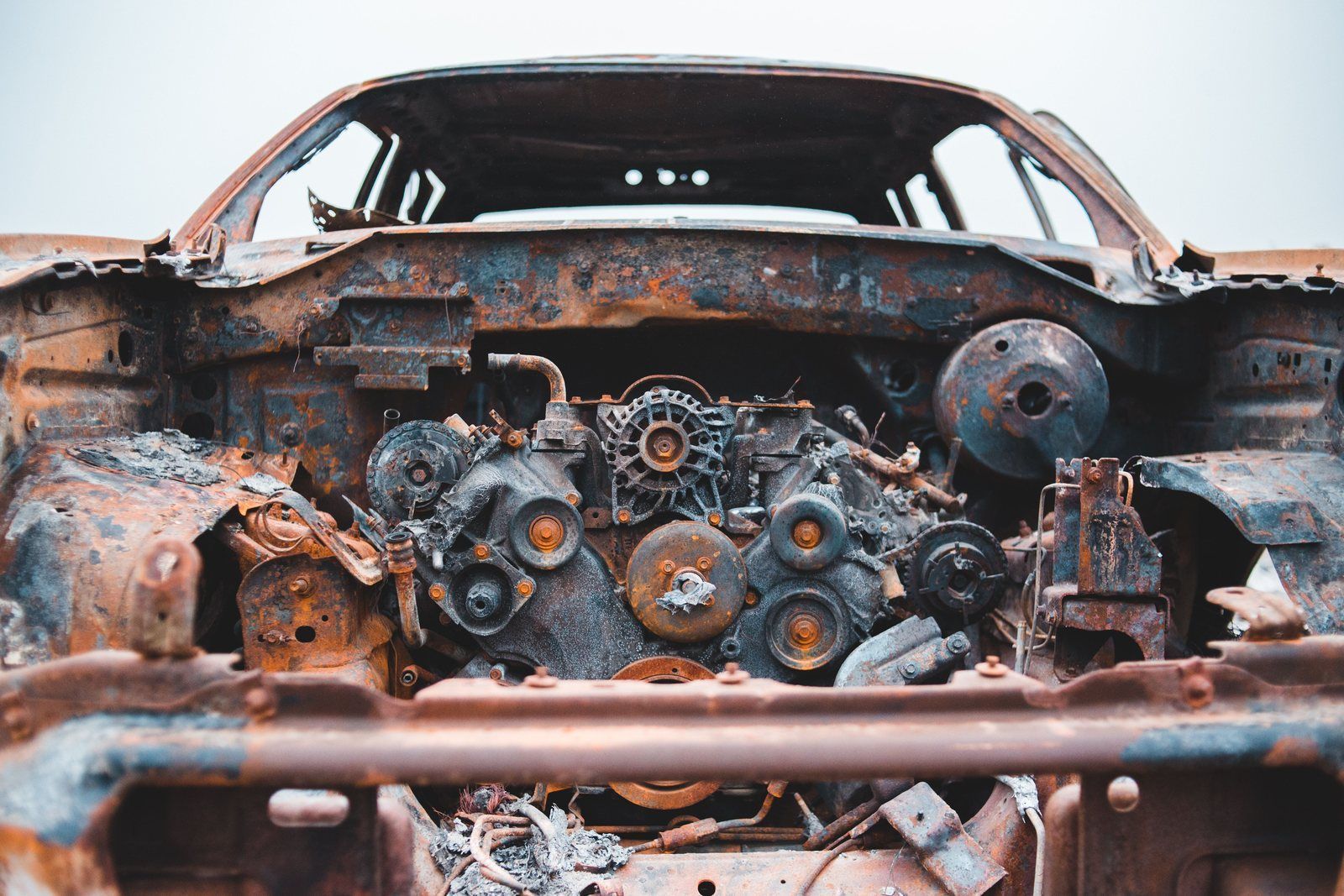
Heavily rusted car body and engine bay with scaled, pitted metal and corroded parts
By Admin • October 8, 2026
How much does sandblasting cost? Learn what drives a blasting quote in Arizona, from rust and part size to media, and what to send for an accurate number.
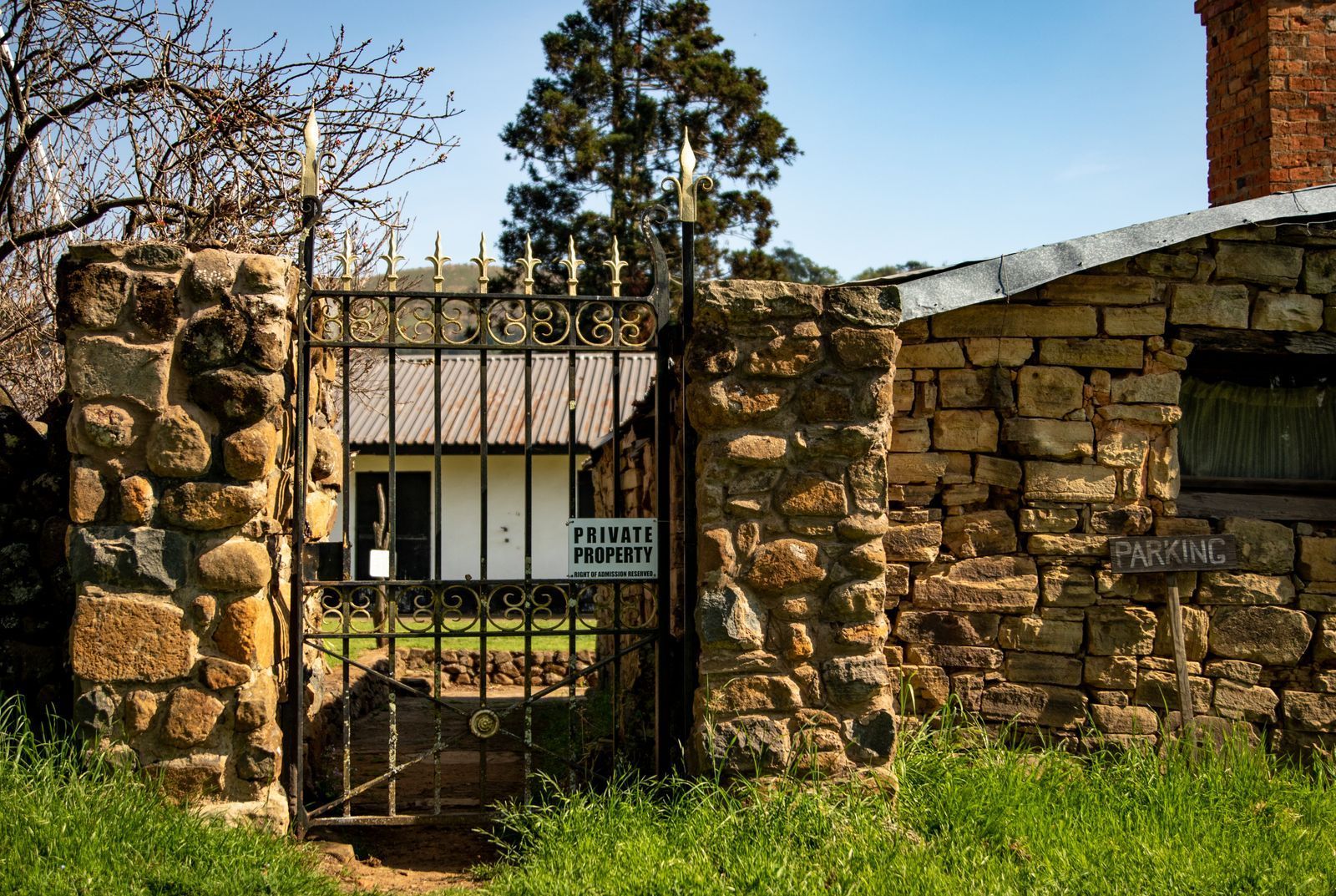
Ornate black and gold metal gate between stone pillars in front of a white building.
By Admin • October 1, 2026
Powder coating metal gates in Show Low, AZ: blasting, hinges and hardware, oven fit, colors, 3 to 5 business day turnaround, and a free quote.
Red electric mountain bike parked against a pole outdoors in the snow
By Admin • September 30, 2026
Planning powder coating for a bike frame? Apex in Show Low covers prep, disassembly, masking, colors, 3 to 5 day turnaround, and how to get a free quote.
Powder-coated metal lawn furniture set finished for outdoor use
By Admin • September 29, 2026
Powder coating lawn furniture for Arizona sun and outdoor use. Prep, colors, turnaround, and how to request a free quote from Apex in Show Low.
Black-and-white close-up of a vintage car’s front end with round headlights and a visible license plate.
By Admin • September 12, 2026
Can you powder coat chrome? Usually yes after strip or blast prep. Arizona guide to adhesion limits, media, chrome-look finishes, oven fit, and turnaround.
Freshly powder-coated steel brackets and panels hanging after curing in an Arizona powder coating sh
By Admin • September 8, 2026
How long does powder coating last in Arizona? See what drives lifespan: prep, UV-stable finishes, cure quality, White Mountains climate, and care tips.
Black powder-coated wheel rim with detailed spokes
By Admin • September 8, 2026
Powder coating wheels cost in Arizona depends on size, blast, curb rash repair, finish, and set quantity. See what shapes your rim quote before you estimate.
Apex Powder Coating worker applying durable powder to metal parts during a Show Low, Arizona project
By Admin • September 7, 2026
Learn what drives powder coating prices in Arizona, from surface prep and part size to finish complexity, and prepare for an accurate quote from Apex Powder Coating.
Painter applying pink paint to a metal surface with a small roller and brush
By Admin • September 1, 2026
Quick Answers  Is powder coating better than paint? Powder is generally the stronger choice for removable, oven-safe metal; paint is more practical for installed, oversized, or heat-sensitive parts. Which finish holds up better outdoors? Use an exterior-rated system with sound prep; powder is a durable option for removable parts, while paint can perform well when field repair is important. Is powder coating more expensive? It can cost more up front, but a suitable powder system may reduce refinishing work over the life of the part. Can damaged powder coating be repaired? Touch up small chips to seal the metal; for large damage or a full color change, remove and recoat the part when feasible. Powder coating and paint are both legitimate metal-finishing tools. The decision starts with a physical constraint: can the part be transported to a coating shop and safely handle an oven cure? If the answer is no, liquid paint is not a compromise—it is the usable method. If the answer is yes, powder coating may offer a more durable finish for a part that sees sun, abrasion, weather, or regular cleaning. That distinction keeps the comparison honest. A welded-on railing, structural member, or assembled piece with heat-sensitive components does not become a powder-coating candidate just because powder can be tougher. On the other hand, a removable gate, wheel, trailer component, furniture frame, or equipment guard is often well suited to shop preparation and a baked finish. How the Two Finishes Work Liquid paint Liquid paint carries resin and pigment in a water- or solvent-based system. It is brushed, rolled, or sprayed, then dries and cures under the conditions specified by its manufacturer. A durable paint job usually involves more than one layer: surface preparation, an appropriate primer, one or more finish coats, and sometimes a clear coat. The advantage is flexibility. Paint can be applied to installed work, large structures, nonmetal substrates, and assemblies that cannot tolerate curing heat. The trade-off is that application conditions, film build, and drying intervals have a larger effect on the result. Runs, dry spray, inconsistent coverage, and poor adhesion are all possible when the process is rushed. Powder coating Powder coating uses dry resin-and-pigment particles rather than a liquid carrier. The particles are applied electrostatically to a grounded part, then heated until the coating flows and cures. The Powder Coating Institute’s overview of the process explains the basic application and cure sequence. Because the work happens in a controlled shop environment, the coater can manage preparation, masking, application, and cure more consistently. The part still has to qualify: it must be transportable, fit the available equipment, and tolerate the cure schedule for the selected powder. That is why powder works well for many metal components but not for every project.
Close-up of a chrome V emblem and silver slashes on a red car hood
By Admin • August 27, 2026
Northern Arizona guide to sandblasting and powder coating: learn how prep, finish choice, and Arizona weather affect durability, cost, and results.

Show More