How Much Does Sandblasting Cost? What Drives Your Quote in Arizona
You have probably already looked at it: a gate on a ranch road outside Show Low with the paint flaking off in sun-baked sheets, or a trailer frame coming out of winter with road grime baked on and rust scale creeping along the welds. Before anything else can happen to that metal, it has to come back to bare steel, so the first question is usually: how much does sandblasting cost? The honest answer is that most shops cannot give you a firm number without seeing the part, because the same kind of job can be quick or slow depending on condition, size, media, and access. Here are the main factors that move a sandblasting quote, what to send so the number comes back accurate, and when blasting alone is the right call versus blasting plus coating.
So, How Much Does Sandblasting Cost? It Depends on the Part
Sandblasting cost is driven by time, media, and the condition of the part, not by a flat rate. That is why this question is hard to answer over the phone, and why a quote built from a one-line description usually changes once the part shows up.
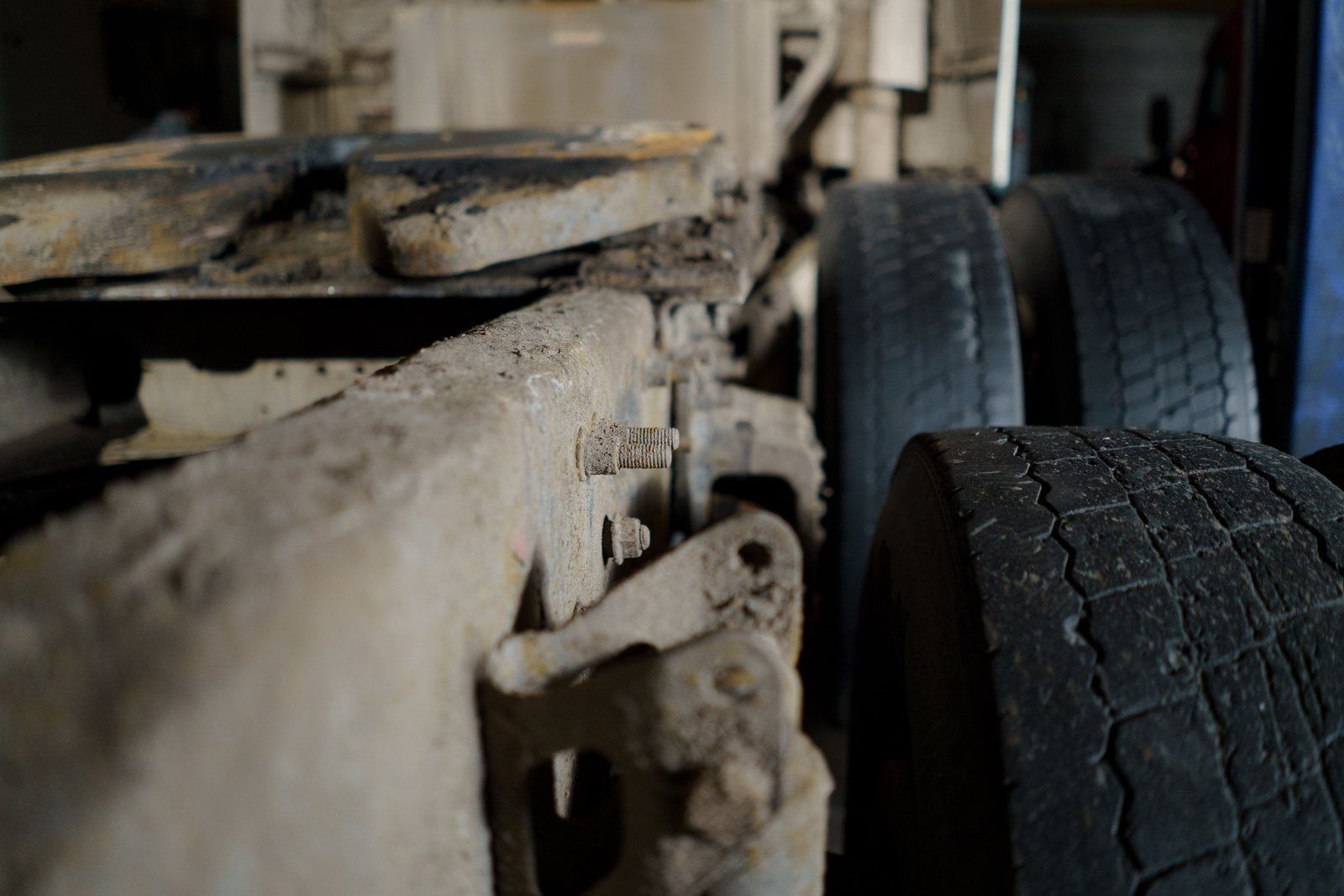
Two parts that look alike in a photo can be very different jobs. A frame carrying decades of undercoating and heavy rust scale is not the same work as a lightly oxidized frame of the same make and model, even though it is technically the same part. Rust scale, layered paint, old powder coat, and grease all strip at different rates, and tight geometry slows everything down. A part that looks rough can strip clean faster than expected, and a part that looks simple can hide years of buildup in its seams.
So reputable shops quote per job. Apex's sandblasting service page puts it plainly: blasting time depends on the size of the part, the severity of the rust or coating, and the media type, and the shop gives you a time estimate when you drop off. Once the part is in front of the blaster, the real condition is visible and the media can be matched to the metal. Until then, good photos are the next best thing.
What You Are Paying For When You Pay for Blasting
Every cost factor below traces back to the actual steps of the job. A blasting job is more than pointing a nozzle at metal. It starts with an assessment of the part and its condition. Threads, bearing surfaces, and anything else that should not be blasted get masked. The part is then blasted to a specified surface profile, inspected for complete coverage, and cleaned of leftover media in crevices and blind holes before it is handed back or moved on to coating.
That surface profile matters more than most people expect. For powder coating prep, Apex blasts to a profile that is typically SSPC-SP6 (Commercial Blast) or SSPC-SP10 (Near-White Metal). In plain English, those grades describe how clean and uniform the bare metal has to be, with the higher grade allowing less leftover staining. A cleaner, more uniform result takes more blast time.
Media is part of the picture too. Apex blasts with aluminum oxide, glass bead, steel grit, and walnut shell, not actual sand, which creates harmful silica dust. OSHA's fact sheet on abrasive blasting materials lists crystalline silica sand among the materials that can cause silicosis, and notes that the choice of abrasive depends on factors such as cost, job specifications, environment, and worker health. If you want the full rundown on each media and where it fits, the guide to blasting media types and their uses covers it in depth.
What Drives Sandblasting Prices: The Cost Factors That Matter
These are the variables a shop weighs when it builds a quote. You control several of them through the information you send up front, so the third column is the one to read closely. Sandblasting prices are not arbitrary. They reflect real hours, real media, and real handling, and each factor below changes at least one of those.
| Factor | Why it changes the quote | What to tell the shop |
|---|---|---|
| Part size and surface area | Bigger parts and more surface take more blast time and room to handle | Overall dimensions or a photo with a tape measure |
| Rust and coating condition | Heavy scale, layered paint, undercoating, or old powder take longer to strip | Close-up photos of the worst areas |
| Metal and thickness | Steel, stainless, and aluminum respond differently to media and pressure | What the part is made of and roughly how thick it is |
| Media choice | Aggressive media cuts faster; gentler media protects thin or soft metal | Whether the part is thin, delicate, aluminum, or chromed |
| Masking and disassembly | Threads, bearing surfaces, and machined faces need protection first | Which surfaces must stay untouched and what is still attached |
| Shape and access | Tight pockets, boxed sections, and inside corners slow the work | Photos of hard-to-reach areas |
| Quantity | Matching parts can sometimes be run together more efficiently | How many identical parts you have |
| Blast-only or blast-and-coat | Bare metal flash-rusts fast, so the coating plan changes timing and handling | Whether coating follows, and how soon |
| Repairs found after stripping | Blasting can expose cracks or thin metal that need welding before coating | Any known damage and whether you want repairs quoted if found |
Why Media and Pressure Change the Time
Media choice affects time as well as finish. Thin sheet metal under 1/8 inch can warp under aggressive blasting, so the shop adjusts media and pressure and may switch to glass bead or walnut shell. That gentler approach usually means more time on the part, and that time is a real quote factor, not padding. Aluminum follows the same logic: it can be blasted without damage using glass bead or walnut shell rather than the aggressive media used on thick steel. Chrome can be removed by blasting too, but it takes care to avoid damaging the base metal underneath, so if your part is chromed, mention it before the quote, not after.
Blasting Time in Real Terms: The Frame Example
A frame makes a useful benchmark. Apex's sandblasting page notes that a typical automotive frame takes 2 to 4 hours of blasting. Treat that as an example for one common part, not a universal figure. A frame caked in undercoating or heavy scale lands at the long end, while a cleaner one moves faster. Condition turns into hours, and hours turn into the quote. To size up your own part, compare it to that frame: bigger or smaller, cleaner or rougher, open or full of tight corners?
How Much Does It Cost to Sandblast a Car?
If you are asking how much does it cost to sandblast a car, the same logic applies, with a few variables of its own.
Start with what you are actually bringing in. A bare frame is one job. A chassis with suspension mounts, brackets, and crossmembers still attached is a longer one, because every bracket adds surface area and awkward angles. A full body shell is a separate conversation, mostly about access, masking, and thin panels that cannot take aggressive media. Then look at what is on the metal. Undercoating, layered old paint, rust scale, body filler, and chrome trim all add blasting time, and each one shows up in the number.
Automotive frames and chassis, motorcycle frames, and antique and classic car restoration parts are all on the list of what Apex blasts, using a blast cabinet for smaller pieces and an open blast area for larger ones. Whether you are restoring a classic in Pinetop-Lakeside or freshening a trail rig in Snowflake, many car projects go straight from blasting into coating. If you are budgeting the whole restoration, the guide to powder coating prices covers the coating side of the budget, and the chassis powder coating guide walks through tear-down and masking for a frame.
Blast-Only or Blast-and-Coat: A Decision That Changes the Quote
Apex offers sandblasting as a standalone service. If you only need a part stripped, whether you plan to paint it yourself, want a weld inspected, or are handing it to another trade, that is a legitimate request and often the right one.
Timing plays into cost too. Apex's sandblasting page notes that bare blasted metal begins to flash-rust within hours in humid conditions, which is why the shop recommends coating or priming soon after blasting. In practice, if you take blasted steel home bare and it sits through a wet monsoon week, the clean surface you paid for can be compromised before any coating touches it, and you may end up paying to have it blasted again.
That is why having blasting and powder coating under one roof matters for cost, not just convenience. The part can move from the blast area to coating without a trip between shops, so there is no transport window for flash rust or contamination. Tell the shop which route you want before the quote, because the end goal changes how the job is planned. If you want to see how the two stages fit together on a full project, the sandblasting and powder coating guide for Arizona projects walks through the whole workflow.
Getting an Accurate Quote: Photos, Measurements, and What to Send
The difference between a rough ballpark and a number you can plan around is usually the information you send. The third column of the table above is your checklist: dimensions, close-up condition photos, the metal, anything that must stay unblasted, whether the part is thin or chromed, how many pieces you have, and whether coating follows. Put those answers in one message, and add two things the table does not cover: any deadline you are working against, and how the part will get to the shop.
Good photos beat descriptions. A clear shot of a corroded wheel tells a shop more than a paragraph, because the blaster can see whether it is surface oxidation or deep pitting, whether the old coating is intact or lifting, and how much of the surface is affected. Shoot in decent light, include something for scale, and photograph the worst areas honestly rather than from the most flattering angle.
Blasting sometimes uncovers damage, such as a cracked weld or thin, rusted-through metal, that needs repair before coating. That becomes its own conversation rather than something baked into a blast quote. Apex has in-house
custom fabrication and welding repair, so a crack found under old paint does not have to end the project. On logistics, you can drop the part off at the shop in Show Low. If you are farther out in Northern Arizona, ask about pickup or shipping when you request the quote rather than assuming either way.
Turnaround: Planning Around a Blasting Job
Most standard jobs are completed within 3 to 5 business days from drop-off, depending on job size and prep. If a gate, a trailer, or a piece of equipment is coming out of service for blasting or a blast-and-coat project, you can schedule the downtime around it instead of guessing.
Heavily rusted, multi-layer, or oversized jobs take more prep, and the same conditions that add blasting hours can add calendar days. If you are working against a deadline, say so when you request the quote so the shop can tell you honestly whether it is realistic.
Choosing a Shop for a Blasting Project
The shop you pick affects whether the quote you receive is the number you actually pay. A useful quote comes from a shop that asks about condition, metal, and end use before it gives you a number. If a shop gives you a firm price from a single text message, ask what assumptions sit behind it, and whether a light cleanup or a full blast to clean, uniform bare metal is what you are being quoted. Prep depth is often the hidden difference between two quotes for the same part.
Capability matters too. A shop with both a blast cabinet and an open blast area can handle everything from a single rusted bracket to a full trailer frame, so you are not splitting one project across two vendors. If the project continues into coating, oven size matters. Apex cures in a 10' x 10' x 30' oven, which the shop describes as one of the largest in Arizona, so long items like trailer frames and sizable equipment can often be coated in one piece when they fit those dimensions. The large item coating page covers what fits and how to plan an oversized job.
Get a Quote Based on Your Actual Part
Once you have dimensions, a few honest photos, and a clear idea of whether the part is blast-only or heading into coating, you have what the family-owned team at Apex needs to quote it. Call (928) 251-2967, email info@apexpowdercoatingaz.com, or request a free quote online, with no obligation. You will get a number built on your actual part, not a guess.
Recent Posts