Sandblasting and Powder Coating: A Metal Finisher's Guide for Arizona Projects
TL;DR: Quick Answers
- Do I need sandblasting before powder coating? Usually, yes. If the part has rust, old paint, mill scale, or weld slag, blasting is the reliable way to clean the metal. Brand-new, bare, uncontaminated steel may need only degreasing.
- Can you powder coat over rust or old paint? Not with durable results. Powder bonds to clean, profiled metal; coating over contamination invites early peeling and rust bleed.
- How long does powder coating last compared with paint? Powder coating generally lasts longer and offers better chip and scratch resistance, but real-world life depends on preparation quality, the finish system, and exposure.
- Will sandblasting damage my part? Rarely, when the media and pressure are matched to the part. Thin sheet metal and soft alloys require gentler media and lower pressure.
- What cannot be powder coated? Anything that cannot tolerate oven-cure heat. Rubber, plastic, wiring, sealed bearings, and body filler must come off first.
- Which finish handles Arizona sun best? UV-stable pigments in a gloss or satin sheen, ideally over a corrosion-resistant primer for parts that live outdoors.
- What does the job cost? Pricing varies with size, condition, repairs, masking, and finish. Photos and measurements are the best starting point for an accurate quote.
Sandblasting and powder coating are two halves of one job. After a career in metal finishing, I can tell you that the half that matters most is the one nobody sees. Abrasive blasting strips a part to clean, bare metal and cuts a microscopic profile that the coating can grip. Powder coating then lays down a dry, electrically charged powder that melts and cures in an oven into a tough, continuous film. The finish gets the compliments; blasting does the quiet work. Most premature coating failures I have been asked to diagnose trace back to what was under the powder, not to the powder itself.
A note on perspective: I am a metal-finishing specialist, not an employee of Apex Powder Coating AZ. I do not have a stake in which shop you choose. Apex appears in this guide because it is a Show Low shop serving Northern Arizona and lists the core services this kind of project can involve: powder coating, sandblasting, custom fabrication, and large-item coating. The advice below applies regardless of whose booth your part ends up in. That matters more in Arizona than in many places because sun, dust, monsoon humidity, and winter road chemicals punish metal finishes relentlessly.
What Are Sandblasting and Powder Coating, and When Do You Need Both?
What abrasive blasting actually does
“Sandblasting” is the household name; media blasting or abrasive blasting is the trade term. The physics are the same either way: high-velocity abrasive particles strip rust, old paint, mill scale, and weld slag from the surface while cutting a fine, even profile into the metal. Mill scale is the bluish-black oxide layer on hot-rolled steel. It looks solid but adheres poorly, and coatings applied over it tend to lift. The profile blasting leaves behind—essentially a microscopic tooth—is what the coating grips.
Professional shops rarely use actual sand. Silica sand generates respirable crystalline silica, a lung hazard subject to OSHA requirements. Most shops instead blast with engineered media such as coal slag, garnet, crushed glass, glass bead, aluminum oxide, or steel grit, selected to suit the metal and the job.
Cleanliness itself is a defined target: the Association for Materials Protection and Performance (AMPP) publishes surface-preparation standards that help shops match prep to the project rather than simply eyeballing it. For a shop-specific description, see Apex’s sandblasting service page.
What powder coating is
Powder coating is a dry finishing process. The coating begins as a finely ground blend of resin and pigment, with most formulations containing no solvent. A spray gun gives each particle an electrical charge, and the grounded part attracts them, helping powder wrap around edges and lay down evenly. The coated part then bakes in an oven, where the powder melts, flows out, and cures into a single continuous film. Cure temperature and time come from the powder manufacturer’s technical data sheet, rather than a rule of thumb; common cure ranges are roughly 300–400°F, depending on the product. The Powder Coating Institute offers accessible background on the process, while Apex outlines its own powder-coating process.
Why the two belong together
Powder adheres to metal in two ways: mechanically, by gripping the blasted profile, and chemically, by bonding to a clean surface. Lay powder over rust, flaking paint, or oily residue and you have not finished the part; you have wrapped the problem in color. Contaminated jobs often look fine for months, then chip, lift, or grow rust stains at the edges. Blasting first is what makes the finish last.
The fair question is whether new, bare steel needs blasting at all. Sometimes it does not. Degreasing alone can be enough on fresh, uncontaminated fabrication. That judgment call belongs to the shop, and an honest one saves you money when blasting is not needed.
When the Combined Process Makes Sense and When It Does Not
Blast-and-coat earns its cost when you are restoring something corroded or previously painted, making a permanent color change, or finishing parts that face weather, road grime, chains, boots, and tool contact. It has honest limits, too. Parts that cannot tolerate oven heat cannot be powder coated, which rules out assemblies with electronics or heat-sensitive components that cannot come apart. Structures that cannot travel need field-applied coatings. Steel destined for constant immersion or on-site erection is often better served by hot-dip galvanizing, which excels in those conditions. Liquid paint also retains legitimate roles in touch-ups, non-metal substrates, and budget-constrained jobs.
The short version is this: for transportable metal parts facing real wear, blasting plus powder coating is typically the durable answer.
Projects That Pair Blasting and Coating Well
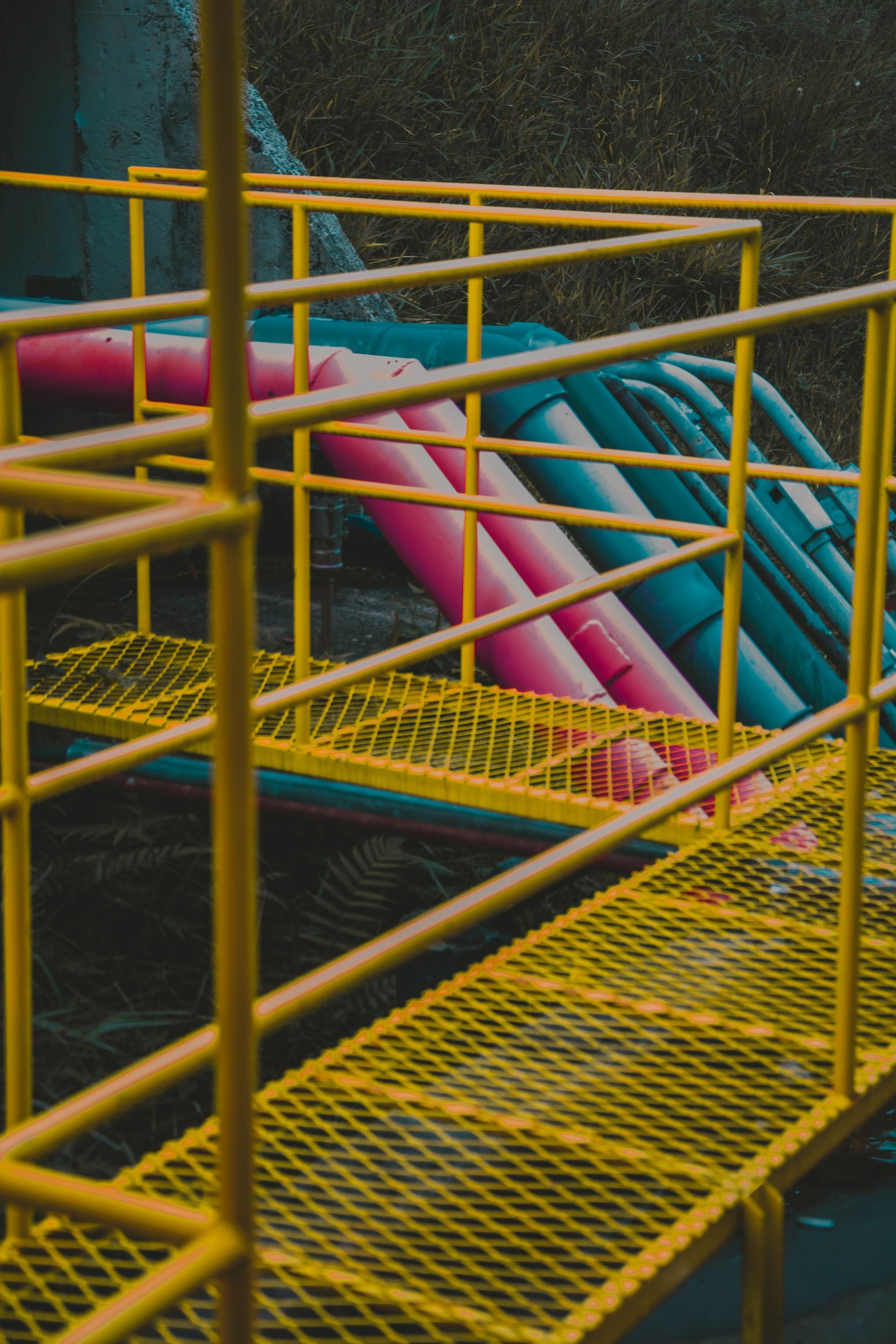
A few categories dominate the schedule in Arizona shops, including those in Show Low. Automotive and off-road work leads: frames, bumpers, roll cages, suspension links, and wheels from rigs that live in dust, sun, and rock. Trailers follow, collecting UV from above and road chemicals from below. Residential metalwork arrives year-round, including gates, railings, fence panels, patio furniture, and fire pits.
Agricultural and industrial customers bring implements, equipment frames, machinery guards, racking, and commercial-signage frames.
Restorations, from motorcycle frames to mid-century patio sets, are natural fits because one process strips decades of coatings, corrosion, and old repairs at once. Apex’s project gallery shows examples across these categories and is useful to review before committing to a finish direction.
Is Your Part a Candidate? Metal, Condition, and Size
Start with the metal itself. Hot-rolled steel carries mill scale that should come off before coating; cold-rolled steel arrives cleaner. Aluminum blasts well but is soft, and aggressive angular grit can embed in the surface, which is why shops shift to softer or spherical media for it. Stainless takes powder with proper preparation. Castings have their own quirk: cast iron and cast aluminum can be porous, and gas trapped in the pores can bubble through the curing film as pinholes. The standard fix is preheating the casting to drive the gas out before the final coat. Galvanized surfaces can also outgas and require special preparation, so flag galvanizing when you request a quote.
Condition drives labor. Light surface rust, deep pitting, and full rust-through are three different jobs, while layered old paint, weld slag, and grease each change the blasting plan. A common restoration scenario illustrates the point: a utility trailer arrives with peeling paint, and blasting reveals pitting in the frame rails plus a cracked weld that the old coating concealed. The scope has grown. Discoveries like that are normal, and finding them before coating is far better than finding them afterward. Disclose what you know up front, and leave some slack in your expectations for what nobody could see.
If the item is decades old, take one more precaution: coatings applied before lead was phased down can contain lead. Mention that when requesting your quote. The EPA’s lead resources cover testing and safe handling in plain language.
Before a part heads to a shop, remove everything that is not metal or cannot tolerate oven heat: bearings, bushings, seals, rubber, plastic, wiring, glass, and electronics. Body filler from prior repairs must come out as well. It softens and fails at cure temperatures, and it is often why surprise repairs emerge after stripping. On size, do not self-reject. Measure the item, photograph it, and ask. You will get a straight answer about what works without ruling out your own project based on an assumed limit.

The Process Step by Step: What a Well-Run Shop Does
When I am asked what separates good shops from cheap ones, the answer lies in the sequence.
Inspection and repair come first
Everything durable starts with an honest intake. Cracks, dents, rust-through, and prior repairs should be disclosed and planned before stripping begins, because blasting has a way of finding what paint hides.
Repairs belong before the final blast and coat, not after. Welding a crack after coating means cutting through the finish; welding it before means the repair blends under the new coating where it belongs.
This is one reason to consider shops that handle repair and fabrication in-house rather than sending the part elsewhere for welding. Apex lists custom fabrication among its services; if your project needs welded repairs or replacement components, see its custom fabrication page.
Disassembly and masking
Threads, bearing bores, machined faces, and critical mating surfaces should be protected with silicone plugs and high-temperature masking tape before powder ever flies. Your input matters here: tell the shop which surfaces must stay bare. An unmasked threaded hole can seize a fastener, and powder in a bearing bore changes clearances. Most owners have two or three surfaces they care about most; say so early.
Blast cleaning and the flash-rust clock
Once blasted to the agreed standard, the part is bare, active steel, and the clock starts. In humid air, freshly blasted steel can show its first blush of flash rust within hours. During Arizona’s monsoon season, roughly late June through September, that clock can run faster. This is a key reason to prefer blasting, repair, and coating in one building: the part can move to the booth clean instead of riding exposed in a truck bed between shops, collecting moisture and handling oils.
Application, cure, and final inspection
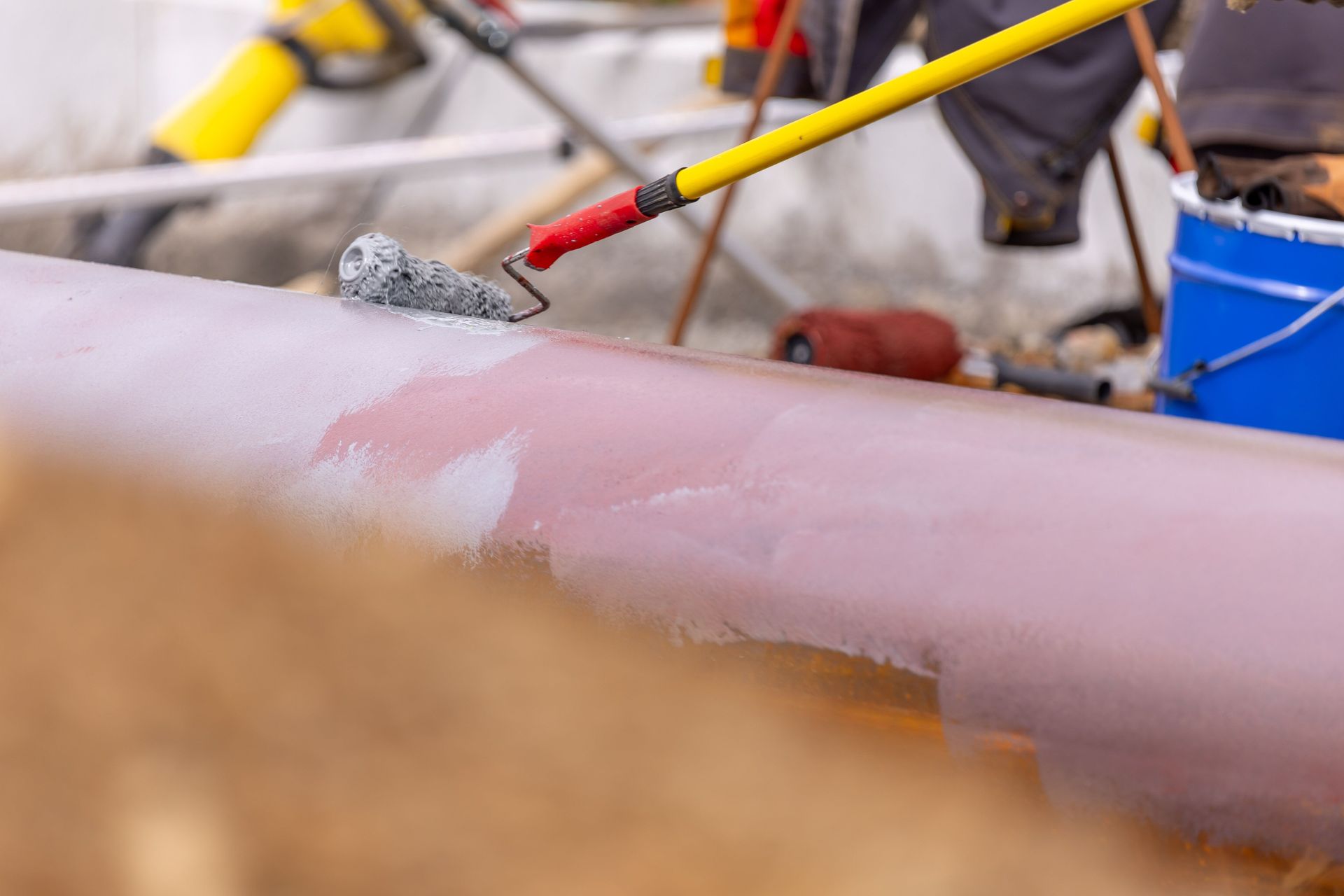
After blasting, the part is blown off, wiped, or washed to remove dust before coating. Corrosion-prone outdoor parts often receive a zinc-rich primer beneath the topcoat for additional protection. The powder goes on electrostatically, and one quirk is worth knowing: charged powder resists deep recesses and inside corners, a phenomenon called the Faraday effect. This is where applicator technique earns its keep.
The part then cures on the oven schedule specified by the manufacturer. Thick, heavy sections take longer to reach temperature than thin sheet, and experienced shops account for that. After cooling and unmasking comes inspection. There is an honest note of physics here: coating pulls thin on sharp edges and the peaks of welds. Good preparation eases edges and dresses welds so the film can cover them properly rather than being asked to hide them.
Choosing Color, Gloss, and Texture for Arizona Conditions
Three choices shape the finish: color, gloss level, and texture—plus the question of a primer coat.
| Finish | Works well for | Trade-offs |
|---|---|---|
| High gloss | Show-quality parts, wheels, and surfaces you wipe clean | Shows every surface flaw and dust speck |
| Satin / semi-gloss | Trailers, gates, equipment, and most outdoor work | The all-purpose choice; balanced appearance and upkeep |
| Matte / flat | Industrial and tactical looks | Harder to touch up invisibly; oils and fingerprints show |
| Textured | High-contact items and surfaces that need to hide imperfections | Cleaning takes more effort; touch-ups stand out |
| Metallic / specialty | Custom automotive work and accents | Often calls for a clear topcoat; confirm availability |
Arizona’s sun should weigh heavily on color choice. Powder manufacturers use standardized weathering and corrosion methods, including xenon-arc exposure and salt-spray testing, to assess coating performance. ASTM publishes the relevant standards, including G155 and B117. Ask any shop about fade resistance for a part that will live in full sun, and consider a primer-plus-topcoat system for corrosion-prone outdoor service.
One practical caution: never assume a specific color, texture, or metallic is on the shelf. Powder suppliers offer thousands of colors, but no shop stocks them all. Confirm current color and finish options when requesting your quote, and bring a backup choice if your first pick is critical.
How Arizona’s Climate Affects a Metal Finish
Four exposures shape finish life in Arizona. UV is the headline; the EPA explains the UV Index and its use in monitoring ultraviolet exposure. Thermal cycling comes next, because large daily temperature swings flex both metal and coating. Monsoon humidity accelerates corrosion wherever the coating is chipped, and it matters during processing as the flash-rust clock shows. Dust acts as a slow abrasive, polishing some finishes and settling into textured ones.
In the high country, winter road treatments can also cling to trailer frames and undercarriages through the season around Show Low and the White Mountains; see the Arizona Department of Transportation’s winter-operations information. The takeaway is simple: in this climate, thorough preparation and the right finish system are not upgrades. They are the difference between a finish that lasts and one that does not.
Planning Your Project and Getting an Accurate Quote
Before you contact a shop, gather the details that shape an accurate sandblasting and powder-coating quote:
- Photos from several angles, including close-ups of damage and problem areas.
- Overall dimensions and an estimated weight.
- The material, if known: steel, aluminum, cast metal, or galvanized steel.
- Anything still attached, such as bearings, rubber, or wiring.
- What you know about prior coatings and repairs.
- A color and finish direction, even a rough one.
The list does not require technical vocabulary or a perfect parts inventory. Shops quote from photos, dimensions, and condition all day long. What they cannot work around is missing information, which is why vague requests tend to receive wide ranges instead of firm numbers.
| Factor | Why it changes the quote |
|---|---|
| Size and weight | Handling, rack space, and media and powder consumption |
| Condition | Heavy rust, layered paint, or mill scale requires more blast time |
| Repairs | Welding, patching, or fabricating parts adds labor |
| Masking | Threads, bores, and machined surfaces require careful protection |
| Finish system | Specialty colors, metallics, and primer-plus-topcoat add material and steps |
Logistics deserve some planning as well. Oversized items need transport arranged, while heavy items require handling. This is where a shop’s large-item experience matters. If pickup, delivery, or shipping would make a project work, ask what is available rather than assuming; options vary by shop and job. For customers outside Show Low, Apex lists its coverage on its service-areas page.
After the Cure: Care and Long-Term Performance
Follow the shop’s guidance on when to reassemble and return the part to service. Day to day, powder is easy to live with. Wash with mild soap and water using a soft cloth or mitt, and skip abrasive pads, scouring powders, and strong solvents that can scuff or dull the film. If the part sees winter roads, rinse off road-chemical residue during and after the season; that habit alone can extend finish life on trailers and undercarriage parts.
Inspect predictable weak points a couple of times each year: edges, welds, fastener contact points, and anywhere chains, tie-downs, or boots rub. If you find a chip, touch it up promptly. Powder cannot be invisibly repaired in the field the way liquid paint can; the practical fix for small chips is a close-match liquid touch-up to seal the metal, with a full recoat reserved for significant damage. Sealing chips fast matters more than matching perfectly because exposed steel rusts and rust creeps beneath the surrounding coating.
Warning signs tell you where to look. Chipping concentrated at edges and fasteners points to impact or thin edge coverage. Rust bleed at isolated spots suggests damage or a local preparation issue.
Widespread chalking or fading is UV wear, usually after years of service. Blistering signals moisture or contamination under the film and warrants a closer look. As for how long a finish should last, preparation quality and exposure dominate the outcome. A properly blasted, primed, and coated part can serve for many years outdoors, even in Arizona; the manufacturer’s corrosion and weathering data is the best guide for a specific product line.
Common Mistakes That Undermine Good Projects
Most coating problems trace back to a handful of preventable choices:
- Choosing a finish by appearance alone while ignoring exposure and use.
- Withholding known damage or prior repairs until after stripping, when the scope changes mid-project.
- Leaving bearings, rubber, plastic, wiring, or body filler attached.
- Skipping the masking conversation about threads and machined surfaces.
- Comparing quotes without comparing the preparation scope; blasting to bare metal with repairs is a different product from coating over marginal preparation.
- Assuming every part or material qualifies without confirming first.
Common Questions About Blasting and Coating
Will sandblasting damage or warp my part?
Not when media and pressure are matched to the work. Heavy rust on thick plate takes aggressive media; thin sheet metal, aluminum, and delicate castings call for gentler media and adjusted pressure. Warping is rare and is primarily a thin-panel, high-friction concern that a careful shop manages. If a specific part worries you, raise it before work starts; that conversation is exactly what intake is for.
Should I strip the part myself first?
Usually not. If the shop is blasting anyway, hand-stripping duplicates the labor, and chemical strippers can leave residues that interfere with adhesion. Degreasing and removing loose debris can help, as can removing every non-metal component you can. Leave coating removal itself to the blast stage.
What if my item is large or hard to transport?
Measure it, photograph it, and ask. Oversize projects are planned around transport, handling, and scheduling rather than assumed away, and a quick conversation settles whether the item works for a given shop. Do not self-reject a project over a size limit you have only imagined.
Getting Started, Whoever You Choose
You now know the sequence that produces finishes that last: confirm the part is a candidate, handle repairs and fabrication first, blast to clean, profiled metal, choose a finish for your actual Arizona exposure, and maintain the result with simple habits. Those five steps matter more than the logo on the shop door.
If Northern Arizona is your neck of the woods, Apex Powder Coating AZ is worth a conversation. Based in Show Low, it handles the full sequence described here: blasting, coating, fabrication, and large items.
Gather your photos and measurements, browse the project gallery for work like yours, and contact Apex to discuss the project or request a quote. Ask plainly whether your item can be blasted, repaired, fabricated, or coated. A shop worth hiring will give you a straight answer, including the honest “no” that can occasionally save a customer more money than a “yes” ever would.
Recent Posts