How much does sandblasting cost? Learn what drives a blasting quote in Arizona, from rust and part size to media, and what to send for an accurate number.
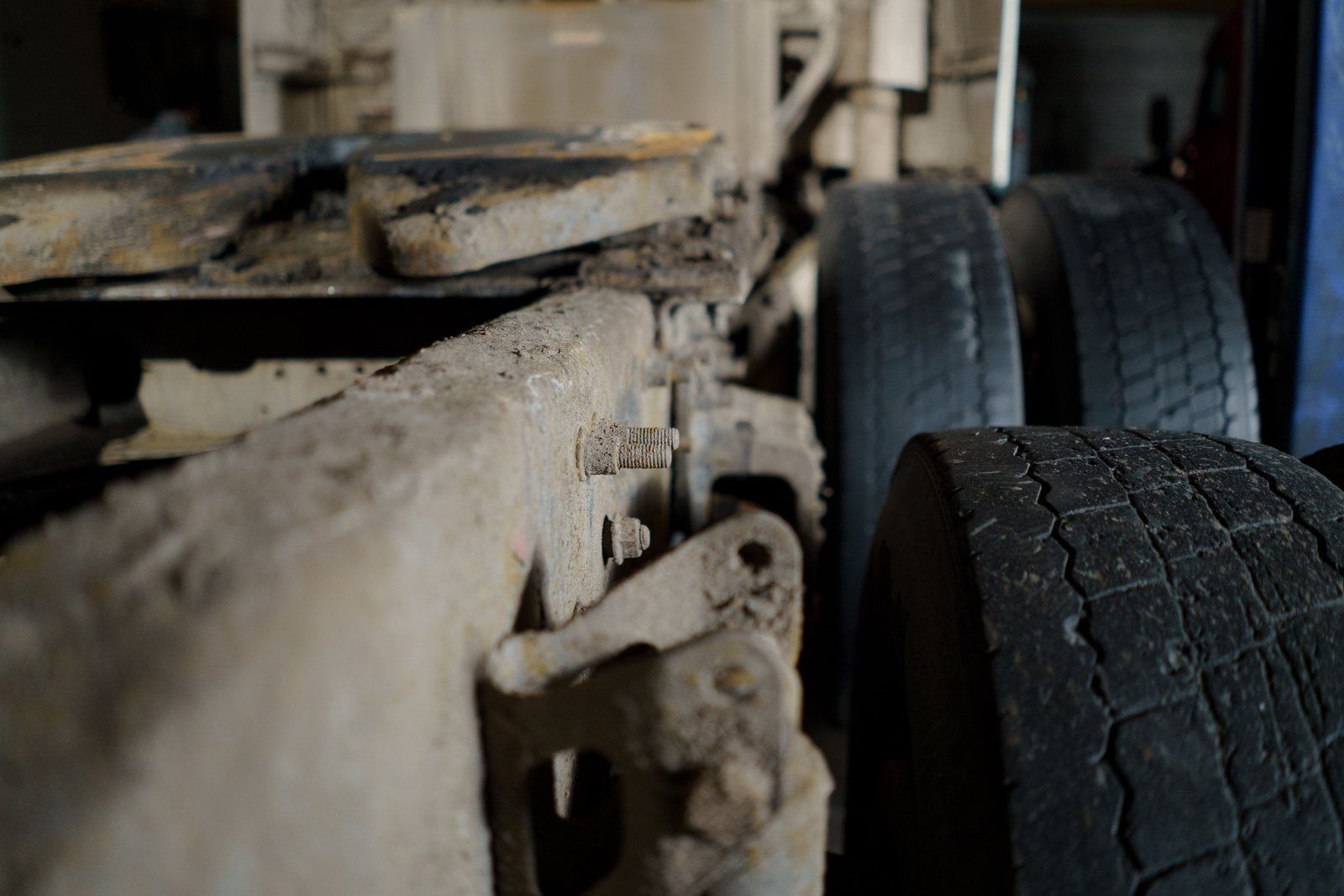
Powder coating a chassis in Show Low, AZ: tear-down, masking, blast prep, oven fit, colors, 3 to 5 day turnaround, and a free quote.
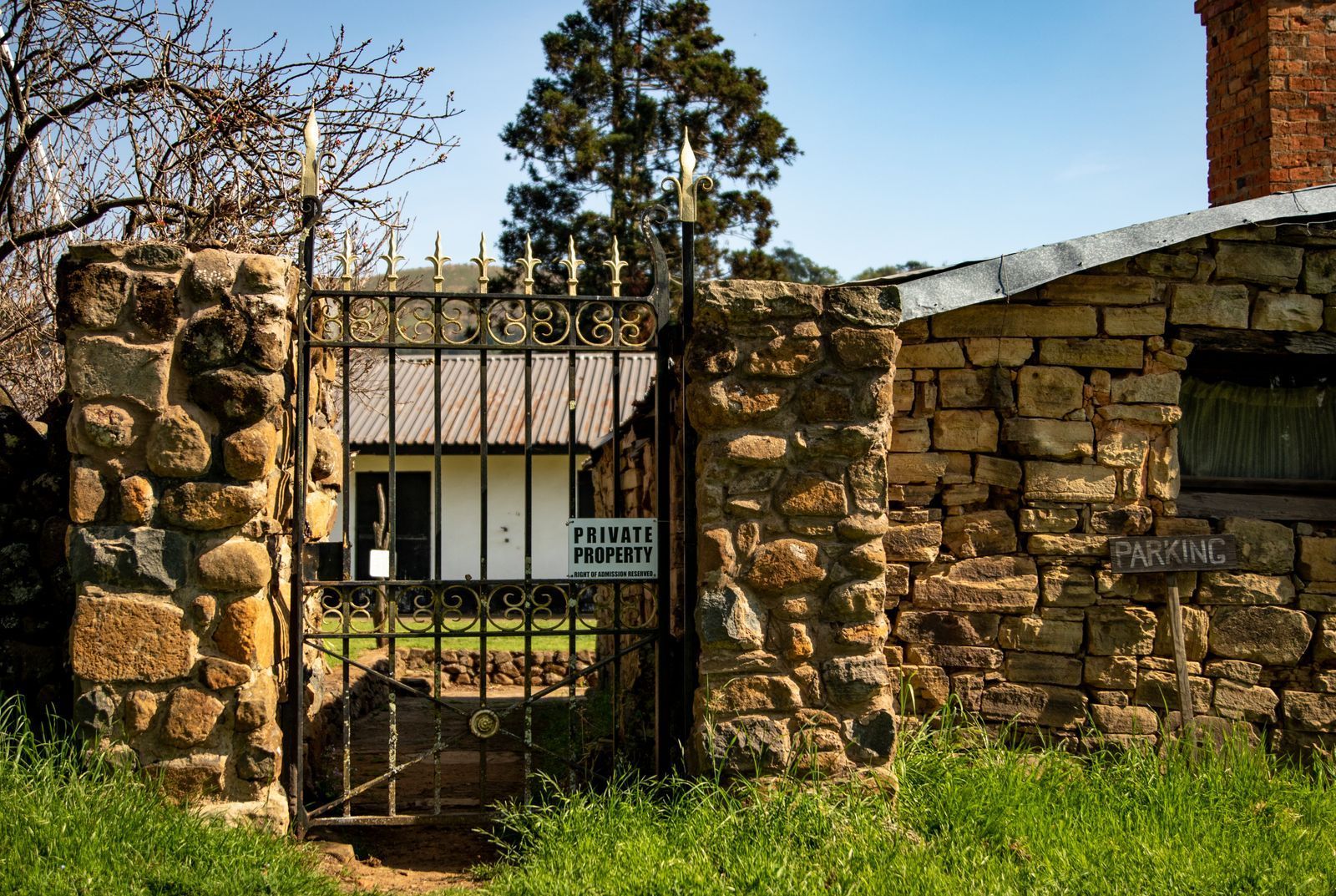
Powder coating metal gates in Show Low, AZ: blasting, hinges and hardware, oven fit, colors, 3 to 5 business day turnaround, and a free quote.
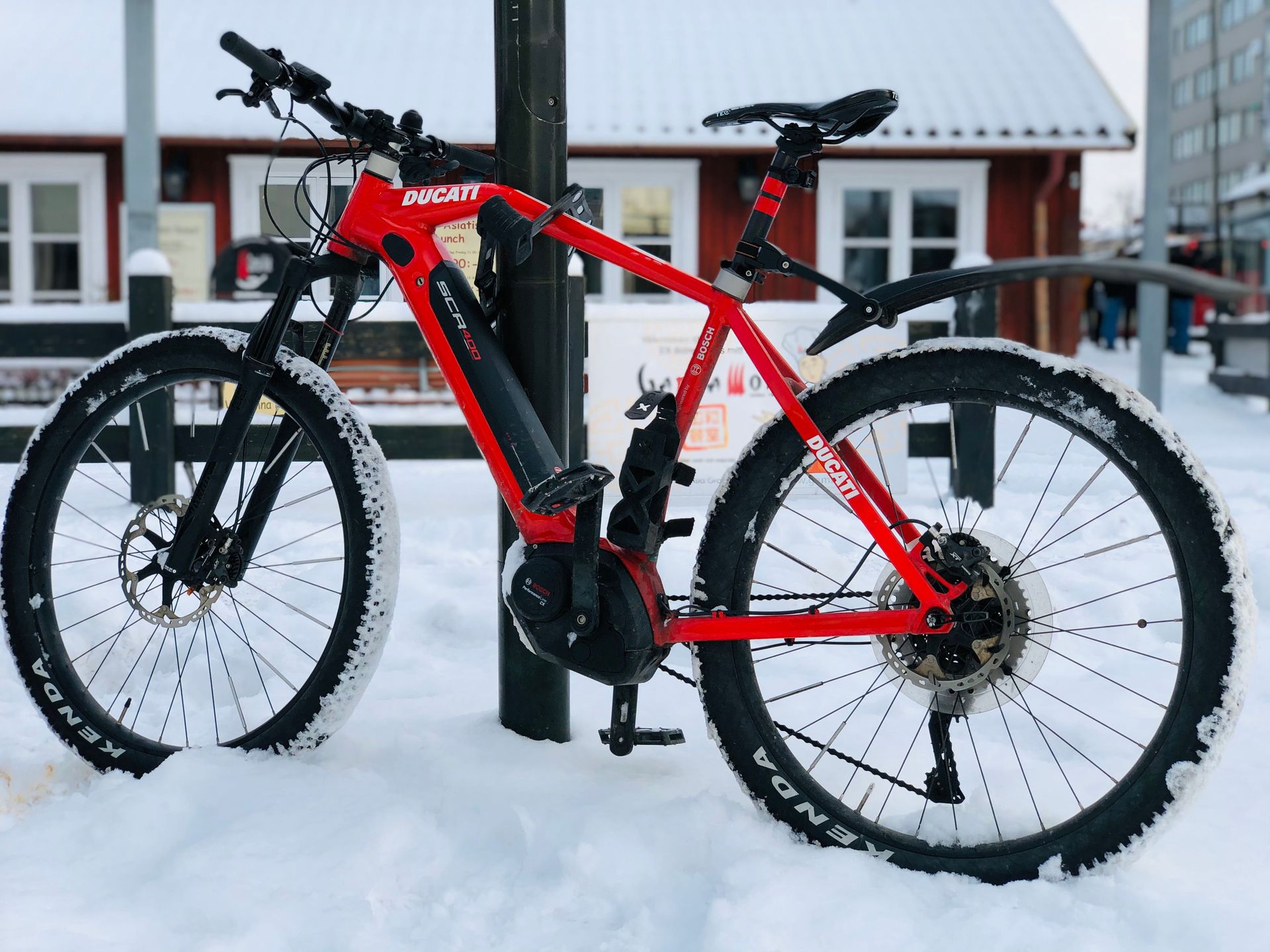
Planning powder coating for a bike frame? Apex in Show Low covers prep, disassembly, masking, colors, 3 to 5 day turnaround, and how to get a free quote.
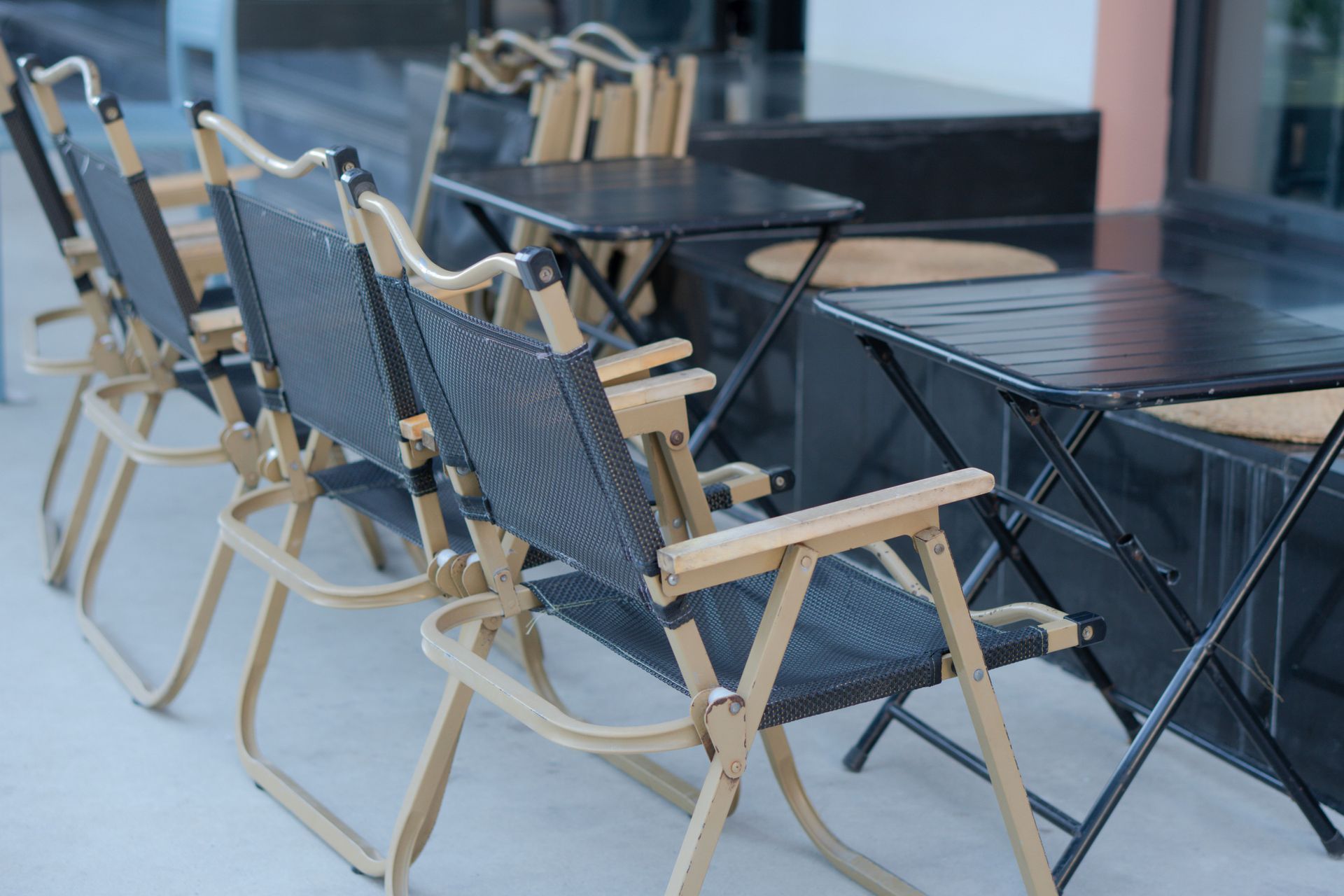
Powder coating lawn furniture for Arizona sun and outdoor use. Prep, colors, turnaround, and how to request a free quote from Apex in Show Low.
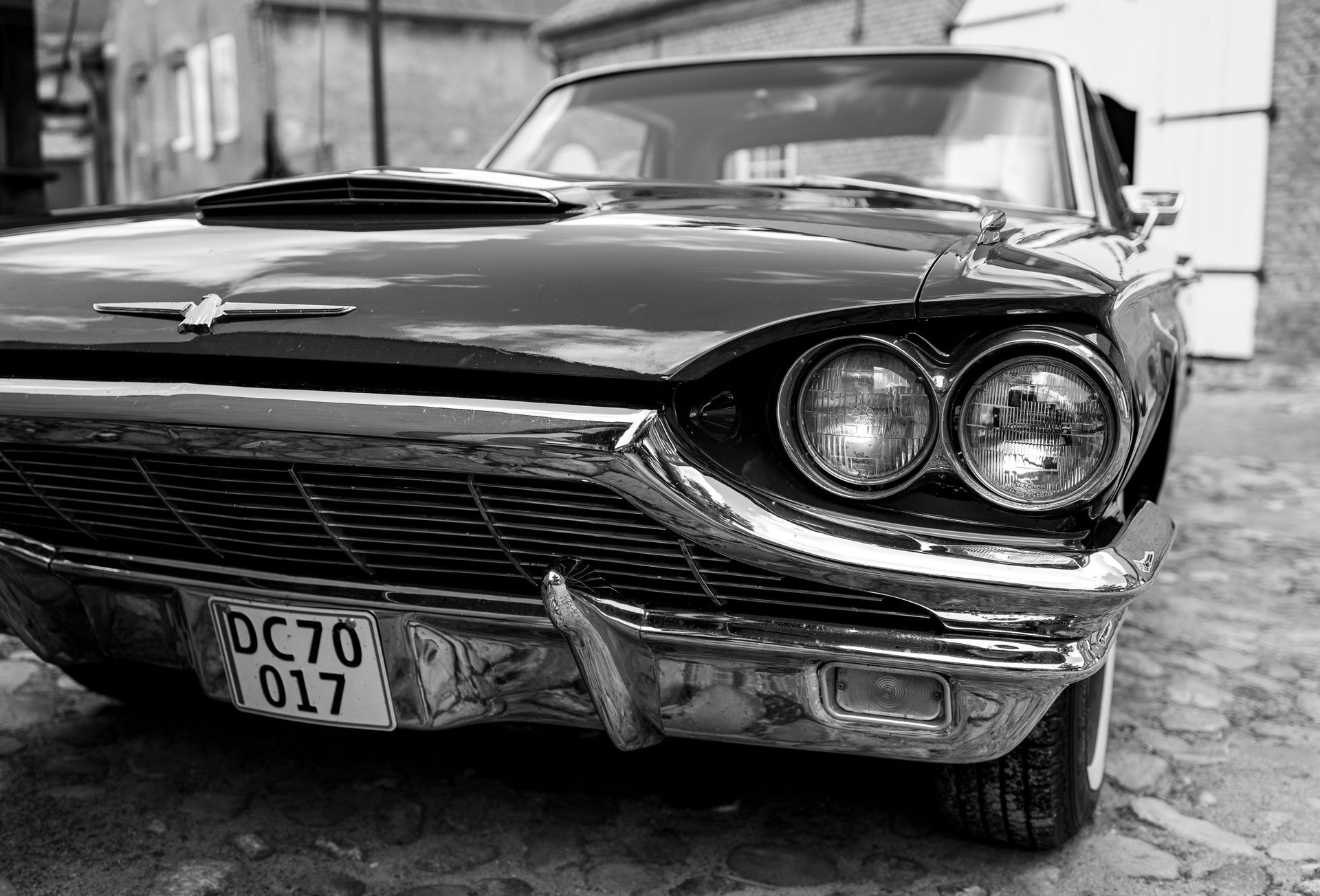
Can you powder coat chrome? Usually yes after strip or blast prep. Arizona guide to adhesion limits, media, chrome-look finishes, oven fit, and turnaround.
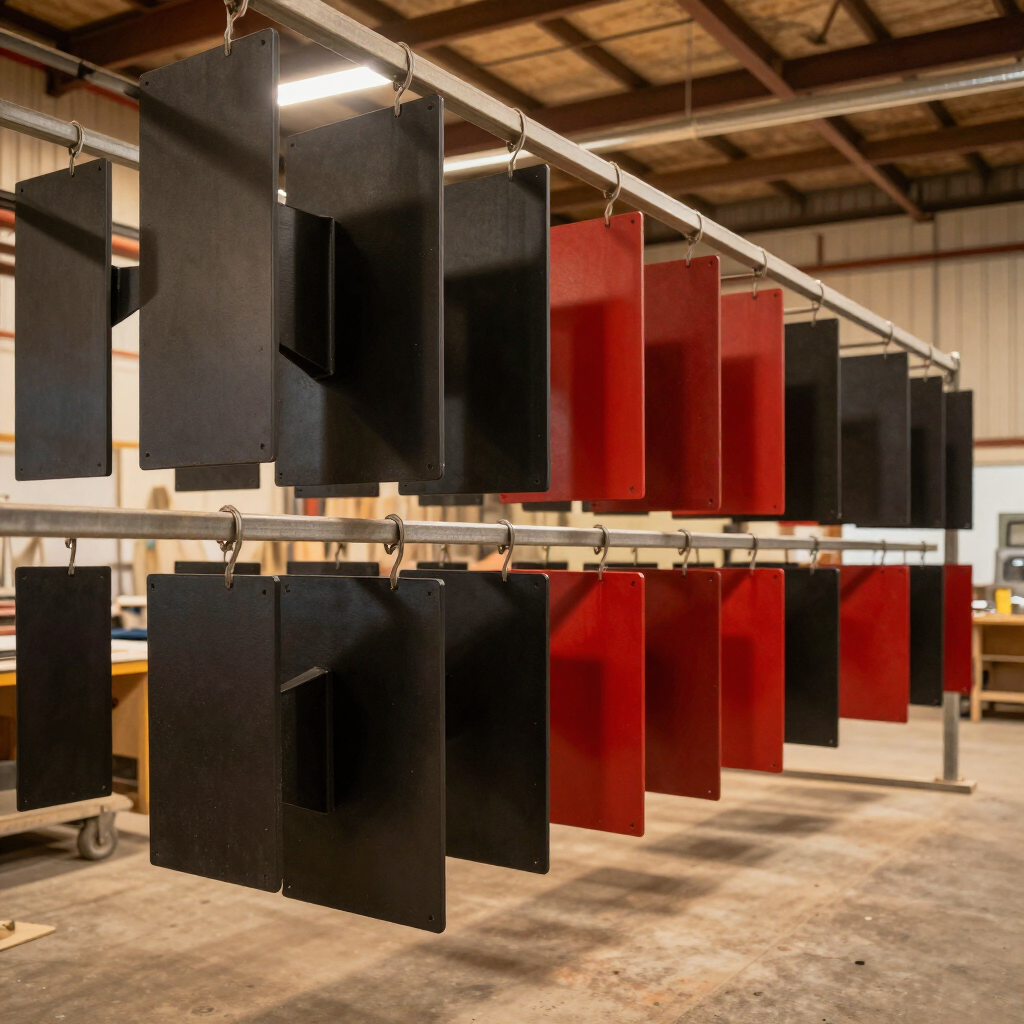
How long does powder coating last in Arizona? See what drives lifespan: prep, UV-stable finishes, cure quality, White Mountains climate, and care tips.
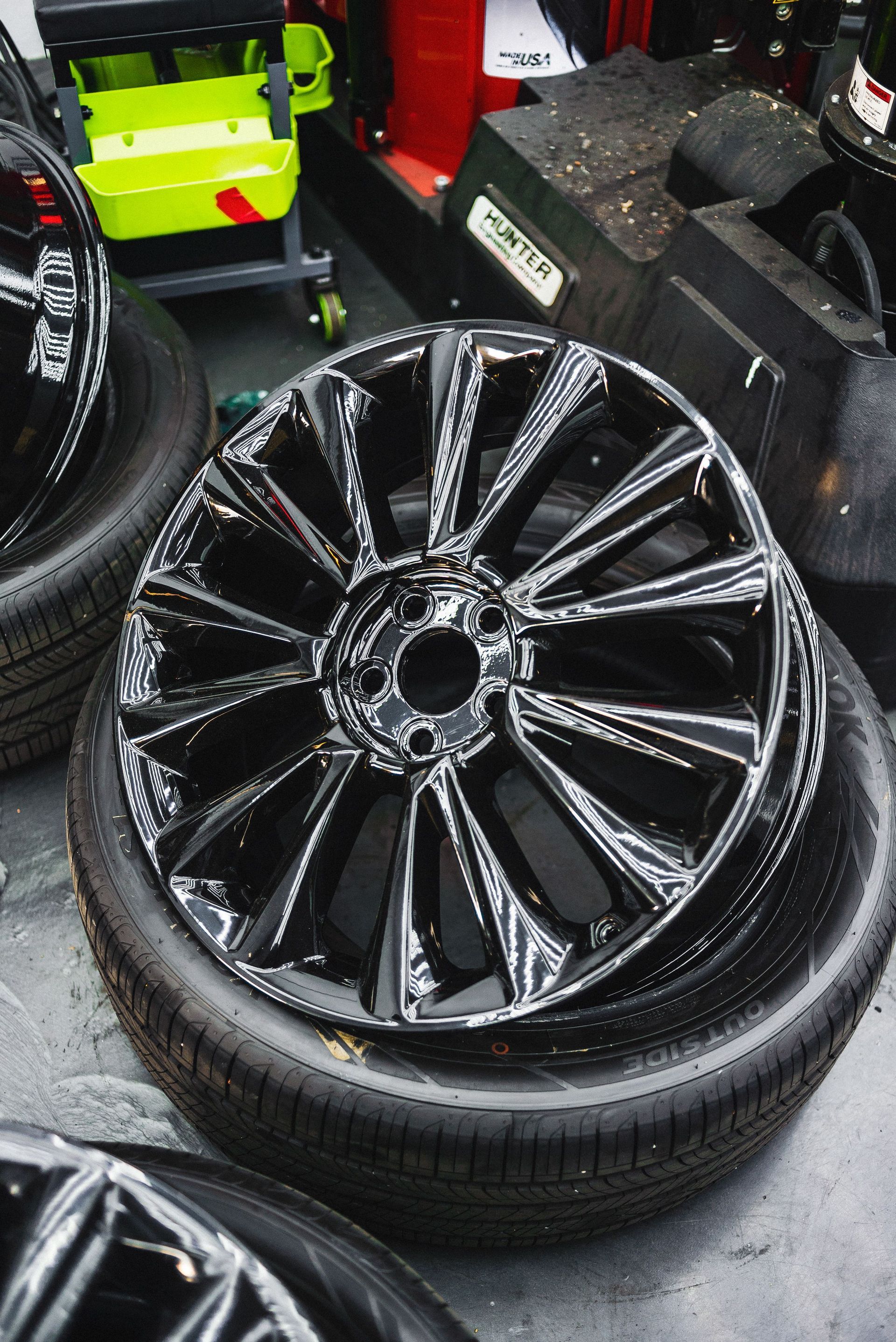
Powder coating wheels cost in Arizona depends on size, blast, curb rash repair, finish, and set quantity. See what shapes your rim quote before you estimate.
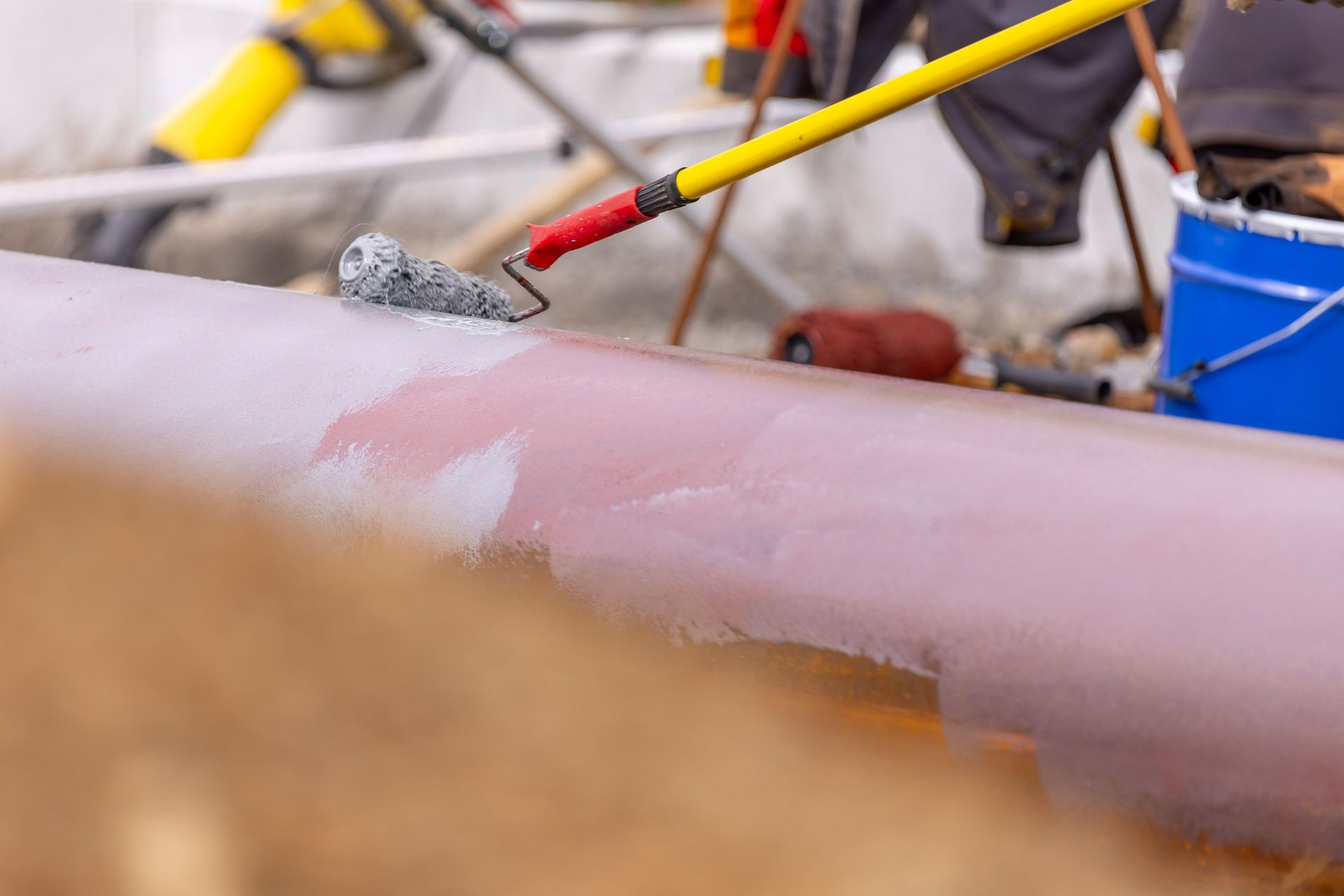
Quick Answers Is powder coating better than paint? Powder is generally the stronger choice for removable, oven-safe metal; paint is more practical for installed, oversized, or heat-sensitive parts. Which finish holds up better outdoors? Use an exterior-rated system with sound prep; powder is a durable option for removable parts, while paint can perform well when field repair is important. Is powder coating more expensive? It can cost more up front, but a suitable powder system may reduce refinishing work over the life of the part. Can damaged powder coating be repaired? Touch up small chips to seal the metal; for large damage or a full color change, remove and recoat the part when feasible. Powder coating and paint are both legitimate metal-finishing tools. The decision starts with a physical constraint: can the part be transported to a coating shop and safely handle an oven cure? If the answer is no, liquid paint is not a compromise—it is the usable method. If the answer is yes, powder coating may offer a more durable finish for a part that sees sun, abrasion, weather, or regular cleaning. That distinction keeps the comparison honest. A welded-on railing, structural member, or assembled piece with heat-sensitive components does not become a powder-coating candidate just because powder can be tougher. On the other hand, a removable gate, wheel, trailer component, furniture frame, or equipment guard is often well suited to shop preparation and a baked finish. How the Two Finishes Work Liquid paint Liquid paint carries resin and pigment in a water- or solvent-based system. It is brushed, rolled, or sprayed, then dries and cures under the conditions specified by its manufacturer. A durable paint job usually involves more than one layer: surface preparation, an appropriate primer, one or more finish coats, and sometimes a clear coat. The advantage is flexibility. Paint can be applied to installed work, large structures, nonmetal substrates, and assemblies that cannot tolerate curing heat. The trade-off is that application conditions, film build, and drying intervals have a larger effect on the result. Runs, dry spray, inconsistent coverage, and poor adhesion are all possible when the process is rushed. Powder coating Powder coating uses dry resin-and-pigment particles rather than a liquid carrier. The particles are applied electrostatically to a grounded part, then heated until the coating flows and cures. The Powder Coating Institute’s overview of the process explains the basic application and cure sequence. Because the work happens in a controlled shop environment, the coater can manage preparation, masking, application, and cure more consistently. The part still has to qualify: it must be transportable, fit the available equipment, and tolerate the cure schedule for the selected powder. That is why powder works well for many metal components but not for every project.
Northern Arizona guide to sandblasting and powder coating: learn how prep, finish choice, and Arizona weather affect durability, cost, and results.