Industrial Fabricators and What They Do for Arizona Infrastructure
TL;DR
- Industrial fabricators build, repair, modify, and finish metal parts used in commercial, industrial, municipal, construction, ranch, fleet, and infrastructure-related work.
- What do industrial fabricators make? They can fabricate custom truck beds, flatbeds, tool boxes, utility boxes, brackets, gates, railings, platforms, equipment guards, machine frames, trailer parts, sign structures, access systems, and one-off repair components.
- How do industrial fabricators support Arizona infrastructure? They help keep the working side of Arizona moving. Their work supports service trucks, contractors, utility crews, ranch operations, construction companies, public works teams, industrial facilities, and commercial properties.
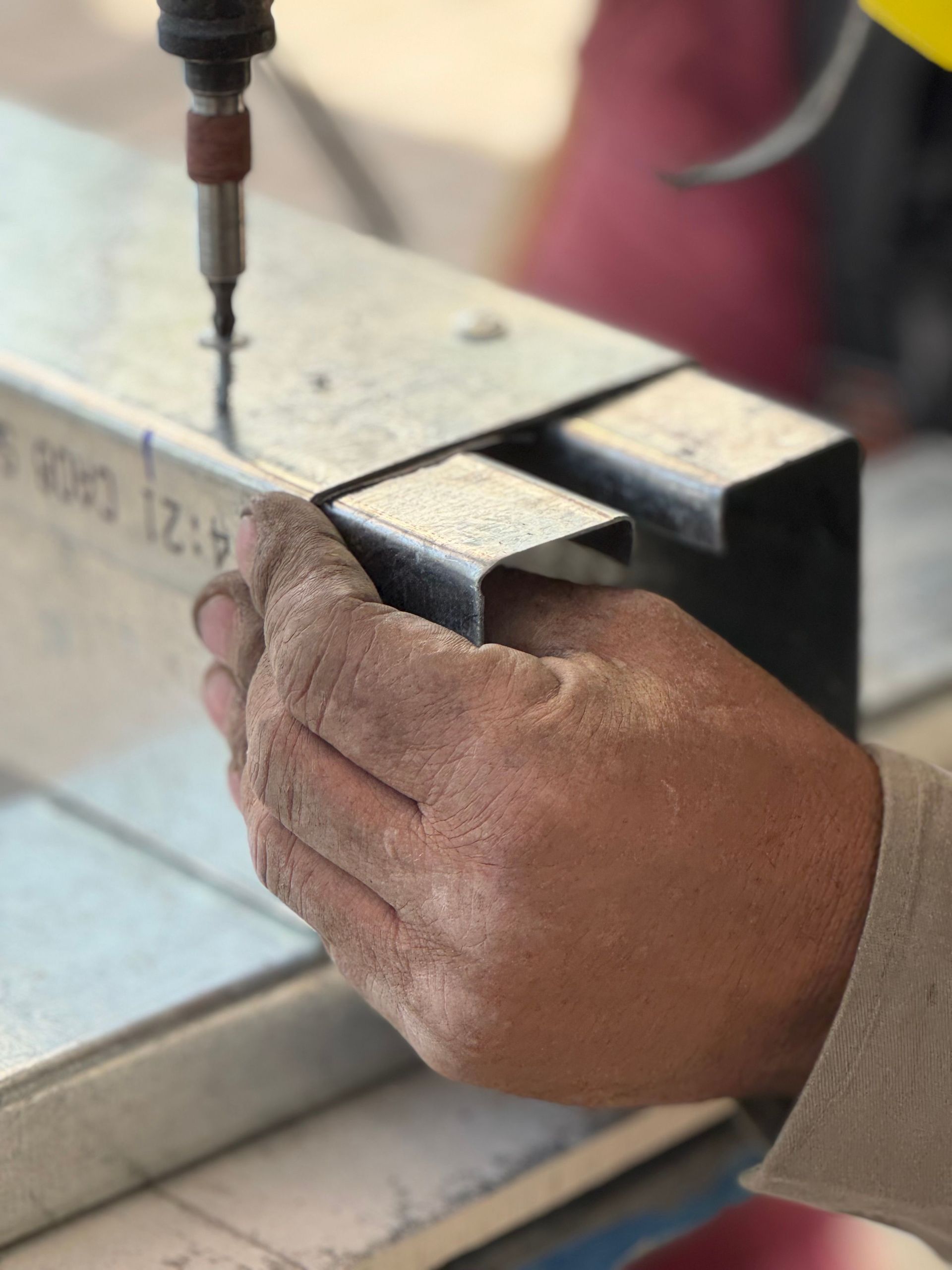
- Is industrial fabrication the same as welding? No. Welding joins metal. Industrial fabrication is the larger process of measuring, cutting, fitting, welding, drilling, grinding, reinforcing, sandblasting, powder coating, and inspecting the finished part.
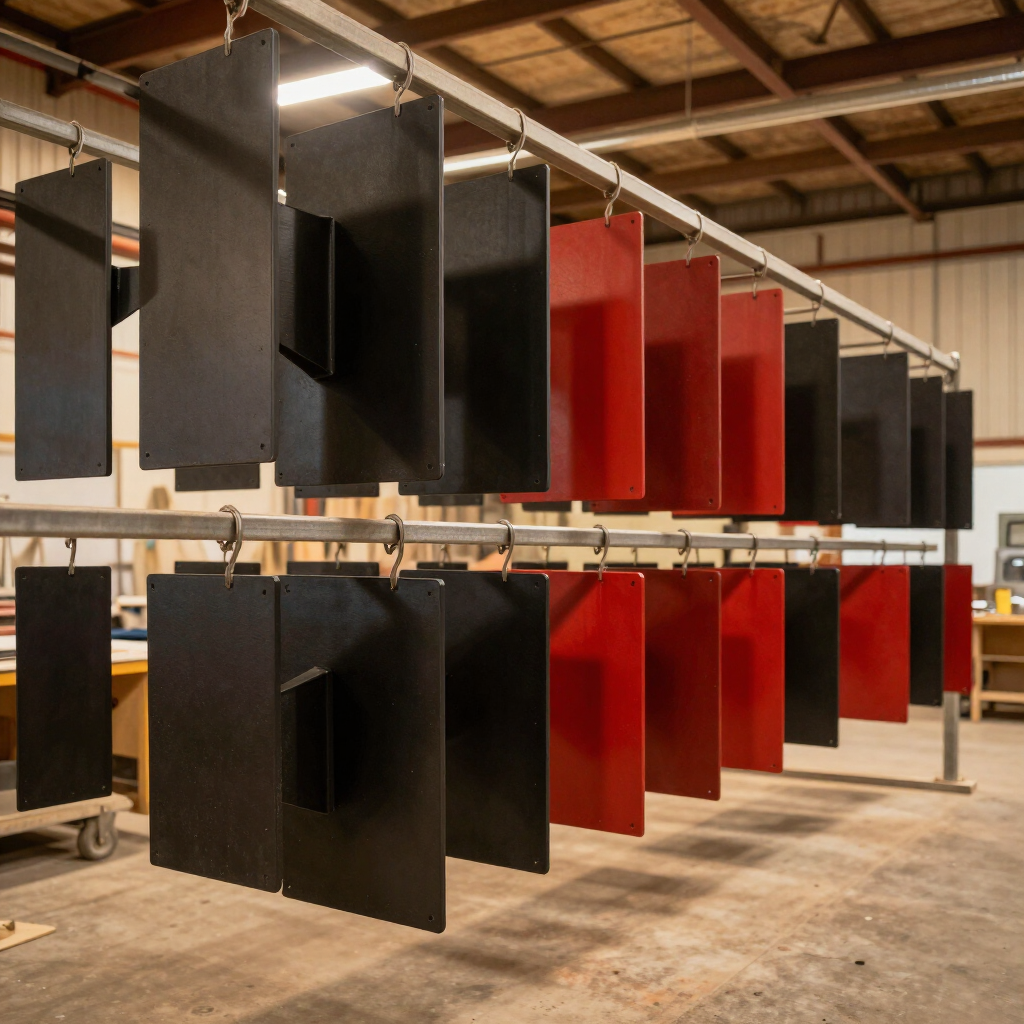
- Where does powder coating fit? Powder coating is often the final finish after the part has been fabricated, cleaned, blasted, masked, coated, cured, and inspected. It gives the part a professional appearance and helps protect the metal in real working conditions.
- Why does sandblasting matter? Sandblasting or media blasting removes rust, old paint, mill scale, weld slag, oils, and surface contamination before coating. If the surface is not prepared correctly, even a good coating can struggle.
- What do fabrication and powder coating forums commonly ask? Common questions include whether weld slag must be removed, whether structural steel should be blasted before coating, whether powder coating hides rough welds, whether powder coating can fill gaps, and whether large fabricated parts can fit in a curing oven.
- Can a custom truck bed be part of infrastructure? Not in the same way as a bridge, road, or water line. But a custom work truck bed supports the people who build, repair, maintain, and service those systems. It is part of the working infrastructure behind infrastructure.
- Why does Arizona change the equation? Arizona metal faces heat, UV exposure, dust, gravel roads, jobsite abuse, ranch use, off-road vibration, irrigation overspray, and monsoon moisture. That makes fabrication quality, surface prep, and coating selection especially important.
- Why choose Apex Powder Coating? Apex is a strong fit when your project needs custom fabrication, welding repair, sandblasting, media blasting, powder coating, large-item coating, and finish planning under one roof.
Industrial fabricators play a bigger role in Arizona infrastructure than most people realize. You may not see their name on the finished road, facility, truck, gate, trailer, utility box, platform, or bracket, but their work supports the crews and equipment that keep those systems running. A recent Apex Powder Coating project makes that easy to picture: the team fabricated a custom truck bed from the ground up, built custom boxes for holding tools, and powder coated the entire setup so it was ready for daily Arizona work-truck use.
Industrial Fabrication Is About Function and Finish
The U.S. Bureau of Labor Statistics describes fabricated metal product manufacturing as work that can include “forging, stamping, bending, forming, and machining” along with “welding and assembling” to join parts together. That is a good high-level description of how many metal components are built for real-world use.
Apex Powder Coating explains the shop-level version of that process more directly: “In-house welding, metal repair, and custom fabrication, followed by sandblasting and powder coating, all under one roof.” That matters because many industrial parts need more than one step before they are ready for the field.
A powder coating finish is only as good as the metal underneath it. That is why fabrication, welding, blasting, masking, coating, curing, and inspection should be planned together instead of treated as separate afterthoughts.
Commercial Job Site Fabrication Built for Real Use
A couple weeks back, Apex had a commercial job site fabrication project that showed exactly why industrial fabricators matter. This was not a small decorative piece or a basic touchup. It was practical metalwork connected to a working commercial environment, where the fabricated components needed to support function, durability, safety, and long-term use.
On a commercial job site, metal parts do not exist in perfect conditions. They may be exposed to dust, foot traffic, equipment contact, weather, tools, installation work, and daily wear. That means the fabrication has to be planned around how the part will actually be used. A bracket, frame, support, rail, guard, panel, or access component may look simple from the outside, but if it is not built correctly, prepped correctly, and finished correctly, it can become a weak point.
That is where Apex’s workflow becomes valuable. The project required more than simply joining metal together. The work had to be fabricated, cleaned up, prepared for coating, sandblasted or media blasted as needed, masked where appropriate, powder coated, cured, and inspected. Each step affected the next one.
A commercial job site fabrication project like this is a good example of infrastructure support in the real world. It may not be a bridge or highway, but it helps support the commercial spaces, service areas, equipment zones, access points, and working systems that businesses rely on every day.
The takeaway is simple: industrial fabrication is not just about making metal. It is about making metal work in the environment where it will actually live.
Industrial Fabricators vs Welders vs Manufacturers
Industrial Fabricators
An industrial fabricator handles the broader metal project. They may cut, fit, weld, repair, reinforce, drill, grind, blast, coat, and inspect the part. Fabricators are often the right fit when the project is custom, damaged, oversized, or built for a specific use.
Welders
A welder joins metal. Welding is critical, but it is only one part of fabrication. A cracked bracket may need welding, but it may also need reinforcement, grinding, sandblasting, and powder coating.
Manufacturers
A manufacturer usually produces repeatable parts or products at scale. If you need hundreds of identical parts, a manufacturer may be the right choice. If you need one custom truck bed, one repaired gate, one trailer component, or one set of custom boxes, a fabricator may be the better fit.
The distinction matters because many customers search for the wrong service. They think they need “manufacturing” when they need fabrication. They think they need “just welding” when the project really needs repair, prep, and finishing.
Why Powder Coating Matters for Industrial Fabrication
Raw steel rarely stays clean for long in Arizona. It can rust, stain, oxidize, and look unfinished. A fabricated part that will live on a truck, trailer, gate, facility, or jobsite usually needs a real finish.
Powder coating is a dry finishing process where charged powder is applied to metal and cured with heat. Once cured, it creates a hard, durable finish that gives the part color, texture, and a professional appearance.
For industrial fabrication, powder coating is useful on work truck beds, utility boxes, gates, railings, brackets, racks, equipment guards, sign frames, panels, and large fabricated assemblies. It helps the finished part look intentional instead of raw or patched together.
Apex’s powder coating service is especially relevant for Arizona customers because industrial and commercial parts often need both durability and presentation. A fleet truck, ranch gate, commercial railing, or utility box should not just function. It should look clean and professional too.
That said, powder coating is not always the answer for every infrastructure part. Some engineered structural projects may require paint systems, galvanizing, or project-specific specifications. The right finish depends on the part, exposure, use, and requirements.

Why Sandblasting and Media Blasting Come First
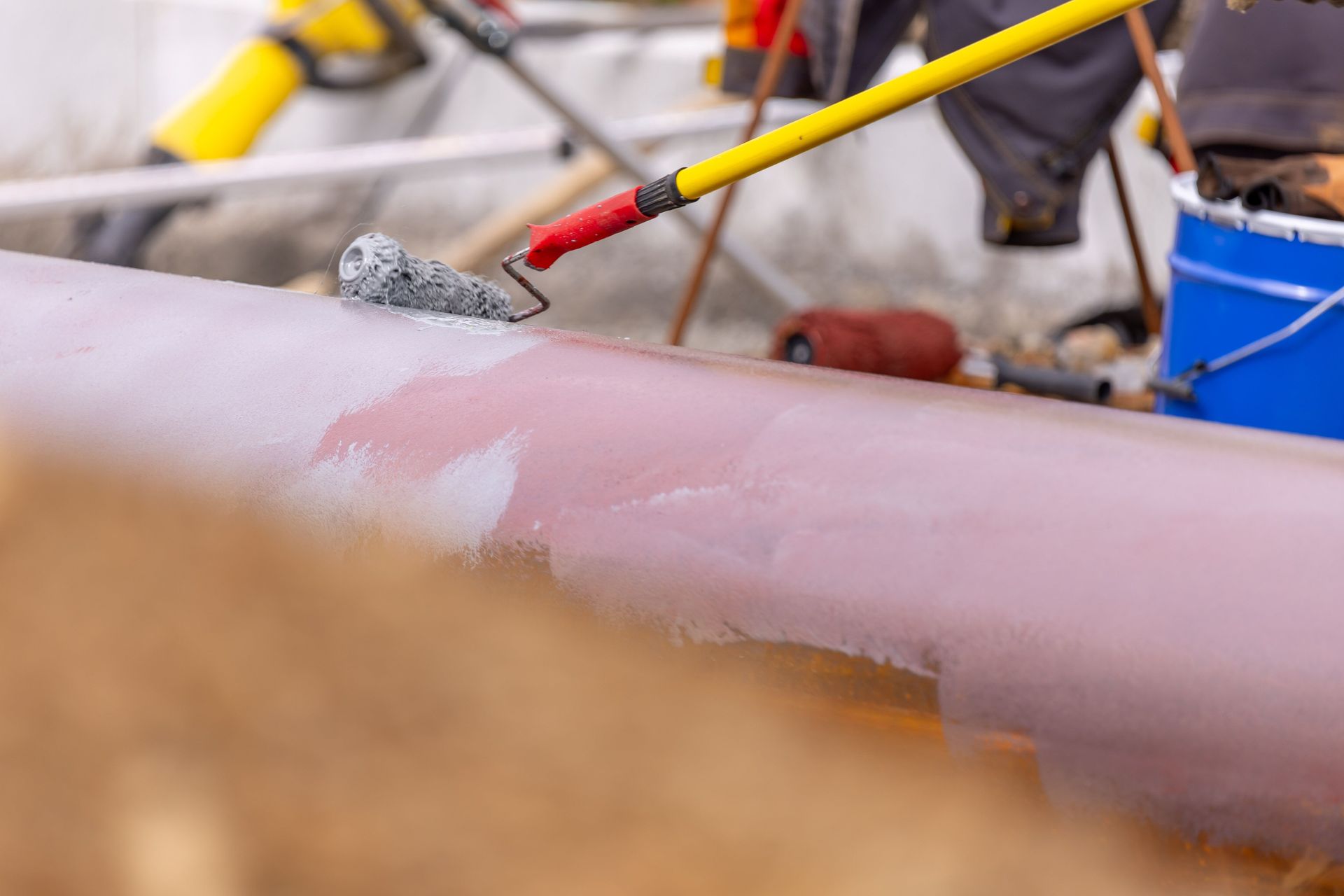
Industrial fabrication can leave behind weld slag, weld spatter, mill scale, oils, fingerprints, cutting residue, grinding dust, rust, old paint, and old powder coat. Those surface problems matter because coating failure often starts underneath the finish.
That is why sandblasting and media blasting are so important. Blasting removes contamination and creates a cleaner surface for coating.
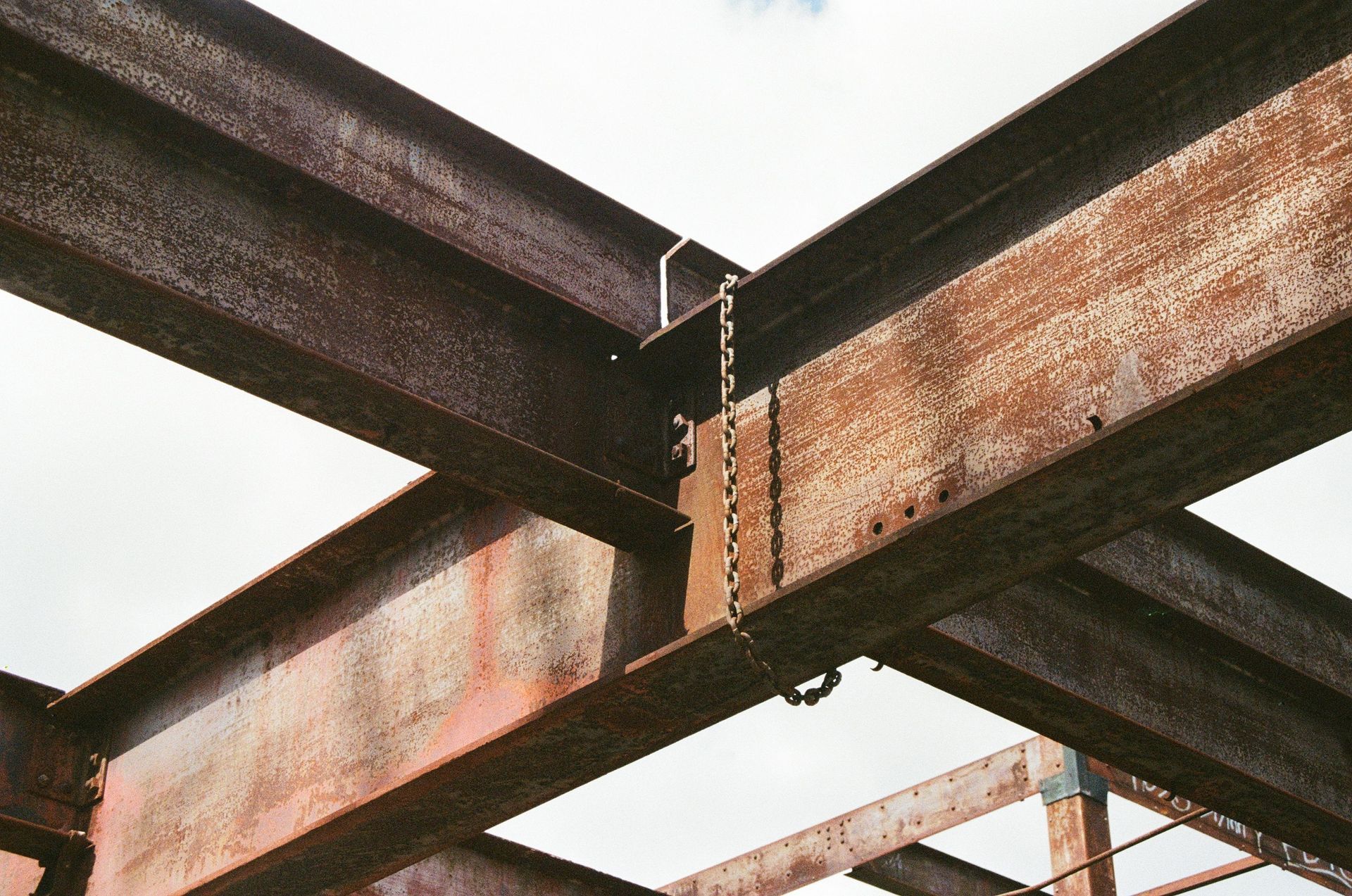
This is one of the biggest themes in fabrication and powder coating forums. People ask whether structural steel should be blasted before coating, whether slag must be removed, and whether powder coating can hide rough welds. The practical answer is simple: powder coating is not body filler. It will not magically fix poor welds, deep gaps, rust, or trapped contamination.
Apex’s in-house workflow helps because the part does not have to leave one shop for repair, another for blasting, and another for coating. The work can move from fabrication to prep to finish in a connected sequence.
Why Arizona Conditions Demand Better Prep
Arizona is hard on metal. Industrial fabricators and finishers have to think about more than appearance because local conditions can punish weak work.
Heat and UV exposure can wear on finishes. Dust and gravel roads can abrade surfaces. Monsoon moisture and irrigation overspray can find unprotected edges. Ranch and off-road use can create vibration, impact, and constant contact. Jobsite work can add scraping, loading, unloading, dropped tools, and heavy equipment wear.
This is why the process matters:
Design → Fabricate → Weld → Clean Up → Blast → Mask → Powder Coat → Cure → Inspect
Skipping steps may lower the upfront cost, but it can shorten the life of the finished part. For Arizona infrastructure support pieces, the point is not just to make the metal look new for pickup. The point is to help it survive real use.
Common Industrial Fabrication Projects Apex Customers Recognize
Custom Truck Beds and Utility Add-Ons
The recent Apex truck bed project is a strong example. Custom truck beds, flatbeds, tool boxes, utility boxes, headache racks, ladder racks, tie-down systems, and equipment mounts all support the people doing field work across Arizona.
Gates, Railings, and Access Components
Commercial gates, ranch gates, handrails, guardrails, stairs, ramps, and safety barriers are all part of the built environment. They need good fabrication and the right finish because they are exposed, touched, and used often.
Brackets, Mounts, and Repair Parts
Small parts can matter a lot. A failed hinge plate, trailer bracket, utility mount, gusset, or support tab can shut down equipment or delay a job. Fabricators help keep those parts working.
Equipment Guards and Frames
Industrial guards, frames, skids, compressor mounts, pump frames, generator guards, and protective cages help protect equipment and workers. These pieces need strong fabrication and practical finishing.
Large Fabricated Assemblies
Truck beds, trailer frames, large gates, rail sections, equipment frames, and industrial racks require space, handling, blasting capability, and oven capacity. Apex’s large item coating capability matters because its 10' × 10' × 30' curing oven can handle oversized projects that many smaller shops cannot.
What to Ask Before Hiring an Industrial Fabricator
Before choosing a shop, ask whether they can handle the full scope of your project.
Helpful questions include:
- Have you built or repaired something like this before?
- Can you work from photos, measurements, or an existing part?
- Do you offer welding repair and custom fabrication?
- Can you sandblast in-house?
- Can you powder coat the finished part?
- Can your oven handle the size of the project?
- What areas need masking?
- What powder or finish is best for Arizona outdoor use?
- Are drawings, engineering requirements, or specifications involved?
- Is this a shop project, field project, or regulated infrastructure project?
That last question matters. Public infrastructure, DOT work, bridges, engineered structural steel, and some municipal projects may require specific drawings, inspections, coatings, certifications, or documentation. Apex should be viewed as a strong fit for custom fabrication, work-truck components, large-item coating, repair parts, gates, railings, trailers, frames, equipment pieces, and industrial finishing unless a specific regulated requirement has been confirmed.
Common Questions About Industrial Fabricators
What does an industrial fabricator do?
An industrial fabricator builds, repairs, modifies, and assembles metal components for commercial, industrial, construction, fleet, utility, ranch, and infrastructure-related use.
What is the difference between a fabricator and a welder?
A welder joins metal. A fabricator handles the larger process, including layout, cutting, fitting, welding, grinding, prep, and sometimes finishing.
Can fabricated industrial parts be powder coated?
Yes, if the parts can be cleaned, blasted, masked, grounded, coated, cured, and inspected properly.
Is powder coating good for outdoor Arizona metal?
Yes, it can be a strong option when the metal is properly prepared, the powder is appropriate for the exposure, and the part is used within realistic limits.
Why does powder coating fail on fabricated parts?
Common causes include poor prep, contamination, sharp edges, trapped moisture, rough welds, insufficient cure, wrong powder selection, or exposure beyond what the coating system was designed for.
Does powder coating hide rough welds?
Not reliably. Powder coating can add a finished surface, but rough welds, porosity, gaps, heavy spatter, and deep defects may still show. The metal should be cleaned up before coating.
Do industrial fabricators install parts?
Some do, but not all. Always ask. Apex should be positioned around shop fabrication, repair, blasting, coating, and large-item finishing unless installation is confirmed for a specific job.
Final Thoughts
Industrial fabricators help turn raw metal, damaged parts, and project ideas into useful working systems. In Arizona, that work supports more than public roads and bridges. It supports work trucks, utility crews, ranch operations, construction companies, commercial properties, maintenance teams, industrial facilities, and the small metal components that keep larger systems moving.
The recent Apex Powder Coating custom truck bed project is a strong example. Apex fabricated the bed from the ground up, added custom boxes for tools, prepped the metal, and powder coated the entire setup. The result was not just a better-looking truck bed. It was a purpose-built work platform designed for Arizona use.
If your project needs custom fabrication, welding repair, sandblasting, media blasting, powder coating, large-item coating, or finish guidance, Apex Powder Coating can help you move from raw or damaged metal to a finished component built for real work.
Recent Posts