Custom Truck Bed Powder Coating and Utility Add-Ons for Work Trucks in Arizona
TL;DR
- A Custom truck bed is more than a metal platform. For a real Arizona work truck, it can become your mobile tool room, material hauler, storage system, jobsite command center, and daily-use work surface.
- Can you powder coat a custom truck bed? Yes. Custom truck beds, flatbeds, utility boxes, headache racks, ladder racks, side rails, tool boxes, brackets, and work-truck add-ons can often be powder coated if they can be properly cleaned, blasted, masked, grounded, coated, cured, and inspected.
- Why powder coat a work truck bed? Powder coating gives fabricated metal a cleaner, harder, more professional finish than leaving it raw or using basic paint. It helps protect the metal while giving the finished bed a unified look across the bed frame, boxes, rails, panels, racks, and add-ons.
- Does the truck bed need sandblasting first? Usually, yes. Even new fabrication can have mill scale, weld spatter, oils, grinding dust, fingerprints, cutting residue, and shop contamination. Sandblasting or media blasting helps create a cleaner surface for powder coating.
- Is powder coating better than paint for a truck bed? For removable fabricated steel parts that can fit in an oven, powder coating is often a strong choice. Paint can still be better for body panels, automotive color matching, installed areas, and easy touchups.
- Is powder coating the same as bed liner? No. Powder coating is a cured metal finish. Bed liner is a thicker impact and abrasion coating commonly used inside cargo beds. A smart work-truck build may use powder coating on the fabricated structure and a liner or extra wear protection in high-impact cargo zones.
- Will powder coating chip if you use the truck hard? Any finish can chip if it is hit hard enough. Chains, dropped tools, gravel, ladders, buckets, sharp metal, and heavy jobsite use can damage almost anything. Good fabrication, rounded edges, proper blasting, correct cure, and the right powder choice help reduce failure risk.
- Can you powder coat tool boxes? Yes, depending on the material and construction. Hinges, gaskets, seals, latches, locks, threaded holes, contact points, and heat-sensitive parts need to be considered before curing.
- What do truck forums and powder coating forums ask about? Common questions include whether powder coating or bed liner is better, whether a flatbed should be blasted before coating, whether powder coating can be touched up, whether bed liner traps rust, whether black finishes get hot, and whether large parts can fit in an oven.
- Why does Arizona matter? Arizona work trucks see heat, UV exposure, dust, gravel roads, ranch use, off-road vibration, jobsite abuse, monsoon moisture, irrigation overspray, and constant loading and unloading. The finish has to be planned for real use, not just showroom photos.
- What made the recent Apex project different? A couple weeks back, Apex Powder Coating fabricated a custom truck bed from the ground up, built custom tool storage boxes into the design, and powder coated the entire setup. That kind of project shows why fabrication, prep, and coating should be planned together from day one.
A Custom truck bed is not just another accessory for a work truck. When it is built correctly, it changes how the truck works every day. For contractors, ranch owners, mobile service businesses, builders, equipment operators, and fleet owners in Arizona, a custom truck bed can organize tools, protect equipment, add storage, improve jobsite efficiency, and make the truck look like a professional work vehicle instead of a patched-together utility rig.
Apex recently had a project in the shop that brought all of this together. The team fabricated a truck bed from the ground up, added custom boxes for holding tools, and powder coated the entire build. It was not simply a coating job. It was a fabrication, welding, storage, prep, and finishing project that needed to function as one complete system.
Why Finish and Prep Matter
The Powder Coating Institute explains that powder coating can help reduce the risk of “scratches, chipping, abrasions, corrosion, fading, and other wear issues.” That is one of the main reasons it is used on metal parts that need a durable finish.
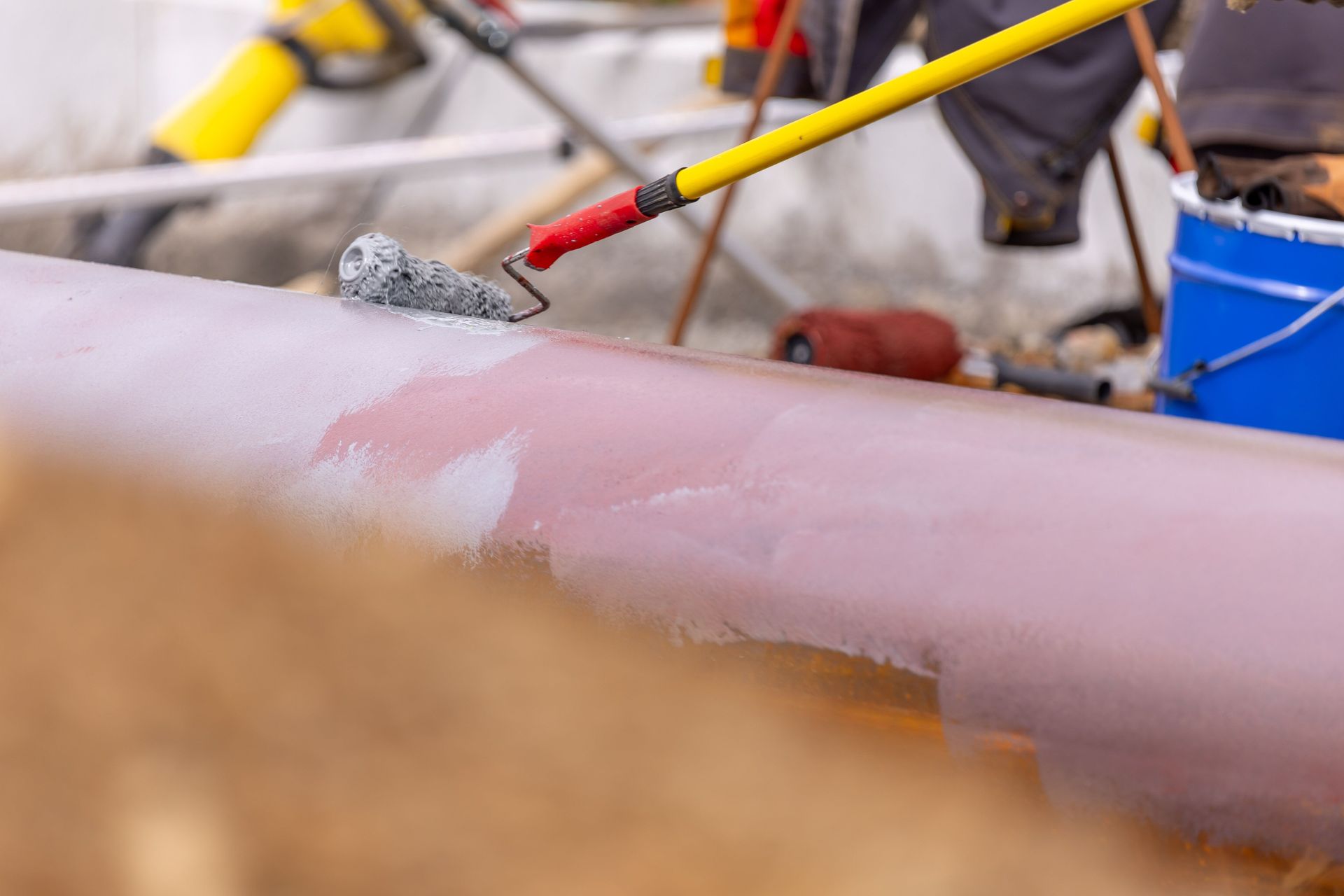
Apex describes powder coating as “a dry finishing process where electrostatically charged powder is applied to a metal surface, then cured in an oven.” That simple definition matters because a custom truck bed is not just sprayed and sent out the door. It has to be cleaned, coated, cured, and inspected as a real metal finishing project.

A Work Truck Bed We Built From Scratch
The recent Apex shop project started with a simple idea: build a truck bed that worked harder than a standard bed. The customer needed useful storage, durable construction, and a finish that made the whole setup look clean and intentional.
Instead of only adding a couple bolt-on boxes, the bed was fabricated from the ground up. That matters because a purpose-built work bed can be designed around how the truck will actually be used. Tool boxes can be placed where they are reachable. Storage can be built around the type of tools being carried. Tie-downs, racks, access points, and box locations can be planned before the finish ever goes on.
Once the bed and boxes were fabricated, the finish became the next major decision. Raw steel is not a final answer for an Arizona work truck. It can rust, stain, oxidize, and look unfinished. Basic paint may work in some situations, but for a removable fabricated bed and storage system, powder coating offered a professional, durable, unified finish.
That is where Apex’s full workflow matters. A project like this is not just about welding. It is about fabrication, cleaning, blasting, masking, coating, curing, and inspection.
What Is a Custom Truck Bed?
A custom truck bed is a fabricated bed, flatbed, utility bed, service bed, or modified truck platform built around a specific truck and a specific use. For one person, that might mean a flat work deck with tie-downs and removable sides. For another, it might mean lockable tool boxes, a headache rack, ladder storage, underbody boxes, step points, receiver access, lighting brackets, or custom compartments.
Common custom truck bed and utility add-ons include:
- Tool storage boxes
- Underbody boxes
- Headache racks
- Ladder racks
- Side rails
- Tie-down points
- Stake pockets
- Gooseneck or hitch access
- Step plates
- Equipment mounts
- Compressor or welder mounts
- Fenders
- Rear bumpers
- Lighting brackets
- Custom brackets and reinforcements
The right layout depends on the work. A landscaper may need organized storage for fuel cans, trimmers, blowers, and tools. A ranch owner may need space for fencing supplies, chains, jacks, feed, and hardware. A contractor may need lockable boxes, ladder access, and tie-downs. A mobile mechanic may need compartments that keep tools protected and easy to reach.
Why Powder Coating Makes Sense for Work-Truck Fabrication
Powder coating is especially useful for fabricated truck beds because it gives the entire metal assembly a consistent finish. When the bed, boxes, racks, rails, brackets, and panels are all finished together, the truck looks cleaner and more intentional.
For work trucks, appearance still matters. A truck that shows up with a clean, powder coated bed and organized tool storage creates a different impression than one with raw welds, mismatched paint, and rusty boxes. If your truck represents your business, the finish is part of your brand.
Apex’s powder coating service is also useful because custom truck beds often involve multiple metal shapes. Tubing, plate, boxes, rails, brackets, doors, and frames all need coverage. Powder coating can create a clean finish across those surfaces when the part is properly prepped and cured.
Why Sandblasting Comes Before Powder Coating
One of the biggest mistakes people make is assuming new fabrication is automatically clean. It is not.
A newly built custom truck bed can still have mill scale, weld spatter, oils, cutting residue, marker lines, grinding dust, fingerprints, and shop contamination. If those contaminants stay on the surface, the coating is being asked to do too much.
That is why sandblasting and media blasting matter. Blasting removes the unwanted material and helps prepare the surface before coating. On a work truck bed, this is especially important around welds, seams, corners, box edges, and high-contact areas.
The forums make this clear. Truck owners regularly ask why finishes peel, why rust shows up under coatings, whether bed liner traps rust, or why a coated bar started showing rust spots. Most of those questions lead back to prep, design, exposure, and correct coating choice.
Powder Coating vs Paint vs Bed Liner
Powder Coating
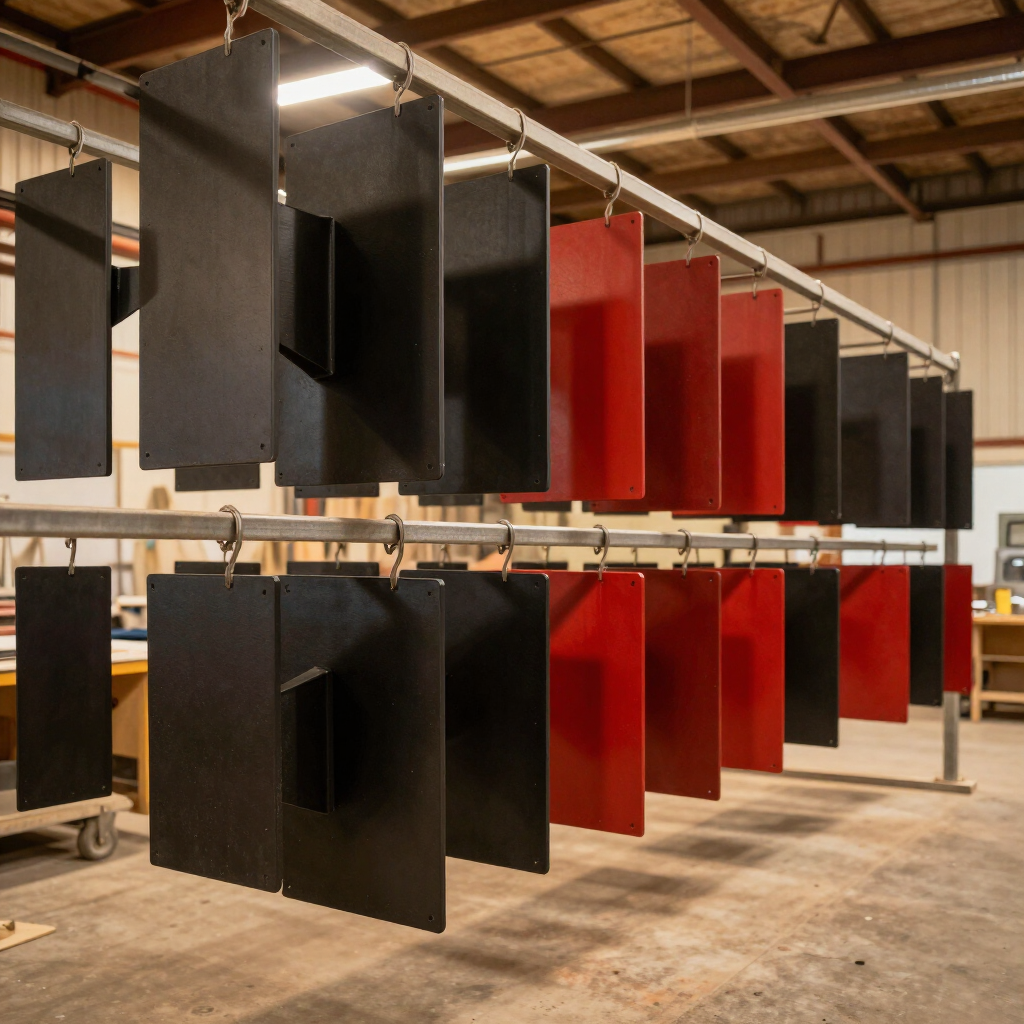
Powder coating is a strong option for the fabricated structure of a custom truck bed. It works well for flatbeds, boxes, racks, rails, tool box frames, brackets, headache racks, ladder racks, and other removable steel components that fit in an oven.
It gives you color, texture, durability, and a professional appearance. The limitation is that hard impacts can still chip it. If you drop heavy steel tools, drag chains, or slide sharp materials across the same area every day, you should plan for wear.
Paint
Paint still has a place. It can be easier to touch up, easier to color match to a vehicle, and more practical for installed body panels or parts that cannot be oven cured. If exact automotive color matching is the priority, paint may be the better path.
The downside is that many standard paint systems are not as tough as a properly prepped and cured powder coated finish on removable utility metal.
Bed Liner
Bed liner is different. It is usually chosen for impact and abrasion zones, especially cargo floors where tools, buckets, pipe, rock, lumber, or hardware slide around. It is not the same as powder coating, and it does not give the same clean metal-finish look.
For a serious Arizona work truck, the best solution may be a combination. Powder coat the fabricated bed, boxes, racks, rails, and exterior structure. Then use liner, mats, wear plates, or sacrificial protection in the highest-abuse cargo areas.
Design Choices That Help a Powder Coated Truck Bed Last
A good finish starts before the powder is sprayed. The way the truck bed is fabricated affects how well it coats and how long it holds up.
Sharp edges are harder to coat evenly and are more vulnerable to chipping, so rounding or easing edges can help. Drain paths matter too. Tool boxes, seams, and enclosed areas should not trap water and debris. Hinges, latches, threaded holes, bearing surfaces, and mounting faces should be planned before coating so they can be masked correctly.
You should also think about high-contact zones. The deck, box edges, step areas, tail corners, tie-down points, ladder contact areas, and chain zones will take more abuse than the rest of the bed. Those areas may need a practical texture, added wear protection, or a finish choice that prioritizes function over gloss.
Why Oven Size Matters
A custom truck bed is not a small bracket. It has to fit the equipment, be handled safely, and cure correctly. That is why oven capacity matters.
Apex’s large item coating service is designed for oversized projects like truck beds, flatbeds, trailer frames, gates, railings, and custom headache racks. Apex’s 10' × 10' × 30' curing oven allows large parts to be coated in a way many smaller shops cannot handle.
For a custom work truck bed, that can mean better finish continuity across the bed, boxes, rails, and add-ons. It can also reduce the need to split the job into too many separate coating runs.
Common Questions About Powder Coating Custom Truck Beds
Can you powder coat a full truck bed?
Yes, if it can be removed or fabricated separately, fits the oven, can be safely handled, and can be blasted, masked, coated, cured, and inspected correctly.
Is powder coating better than bed liner?
It depends on where it is used. Powder coating is better for a clean, durable metal finish on fabricated structure. Bed liner is better for heavy cargo impact and abrasion areas.
Can powder coating be touched up?
Small chips can sometimes be touched up with paint, but touchups will not be the same as a full cured powder coated finish. Planning high-contact areas correctly from the start is better than relying on touchups later.
Does black powder coating get hot in Arizona?
Yes, dark finishes can get hot in strong sun. That is true of many black coatings, paints, liners, and truck accessories. If heat is a concern, consider lighter colors, textured finishes, or strategic material and storage choices.
Can you powder coat tool boxes?
Yes, but the box design matters. Seals, gaskets, locks, hinges, latches, and heat-sensitive parts may need to be removed or masked before curing.
Should a work truck bed be blasted before coating?
Yes, in most cases. New fabrication still needs prep, and old metal definitely needs rust, coating, scale, and contamination removed before finishing.
Who Benefits Most From a Custom Powder Coated Truck Bed?
A custom powder coated truck bed is a strong fit for contractors, builders, ranch owners, landscapers, mobile mechanics, excavation companies, welders, utility crews, property managers, municipal teams, and off-road users.
If your truck carries tools every day, storage matters. If it drives gravel roads, durability matters. If it represents your business, appearance matters. If the bed is exposed to Arizona sun, dust, and seasonal moisture, prep and coating matter.
That is the real value of the recent Apex project. The bed was not treated as a simple accessory. It was built as a working system, with the boxes, fabrication, and powder coating all planned together.
Planning Checklist Before You Build a Custom Truck Bed
Before starting a custom truck bed or utility add-on project, gather the basics:
- Truck year, make, and model
- Bed length and frame dimensions
- Intended use
- Tools and equipment carried
- Tool box size and location preferences
- Ladder rack or headache rack needs
- Tie-down locations
- Hitch or gooseneck requirements
- Lighting and wiring considerations
- Color and texture preferences
- High-wear areas
- Whether the truck is personal, ranch, commercial, fleet, or off-road use
The more clearly you explain how the truck works, the better the bed can be designed.
Useful Ways to Display This Information on the Page
A page like this would benefit from more than text. Add a photo sequence showing Raw Fabrication → Custom Tool Boxes → Blasted Metal → Powder Coated Finish → Installed Work Truck. A labeled diagram could call out the tool boxes, tie-down points, racks, bed deck, storage zones, and powder coated components. A comparison table could show Powder Coating vs Paint vs Bed Liner, and a simple checklist could help customers prepare before requesting a quote.
Final Thoughts
A Custom truck bed should be built around the way you actually work. If you carry tools, ladders, chains, compressors, jobsite materials, ranch equipment, or off-road gear, a basic bed may not be enough.
The recent Apex project is a good example of what happens when fabrication and finishing are planned together. The bed was built from the ground up, custom tool boxes were added for real storage, and the entire setup was powder coated to create a unified, durable, professional finish.
For Arizona work trucks, that combination matters. You need smart fabrication, proper welding, sandblasting or media blasting, careful masking, the right powder, correct curing, and a finish that matches the truck’s real job. Apex Powder Coating can help you plan, fabricate, prep, and finish a custom truck bed or utility add-on built for daily use in Arizona.
Recent Posts