How Much to Get a Metal Part Made for Your Project in Arizona?
TL;DR
- How much to get a metal part made? The honest answer is that it depends on the part. A small steel bracket, trailer repair, gate hinge plate, off-road mount, railing section, ranch equipment repair, and large fabricated frame all require different materials, labor, welding, prep, and finishing.
- What affects the price most? Labor, material, design complexity, welding time, surface prep, sandblasting, powder coating, part size, quantity, finish type, and turnaround all affect the quote.
- Why is a small metal part not always cheap? A small part can still require measuring, cutting, drilling, bending, welding, grinding, blasting, masking, and powder coating. You are paying for the process, not just the metal.
- What do fabrication forums and Reddit discussions usually reveal? Most people underestimate one-off shop time. Common questions center on why a simple bracket costs more than expected, whether it is cheaper to buy a replacement, whether dimensions are enough for a quote, and why shops have minimums.
- Should you buy a part or have one made? If a standard replacement part exists and fits correctly, buying it is usually cheaper. Custom fabrication makes sense when the part is unavailable, damaged, unique, modified, oversized, or needs to match a specific project.
- Does welding add cost? Yes. Welding adds labor, setup, fit-up, consumables, cleanup, and inspection. TIG welding, aluminum, stainless steel, visible welds, or tight fitment can cost more than basic steel MIG welding.
- Does sandblasting add cost? Yes, but it can add value. Sandblasting or media blasting removes rust, old paint, mill scale, weld slag, and contamination before coating. For Arizona outdoor metal, prep is often what determines whether the finish lasts.
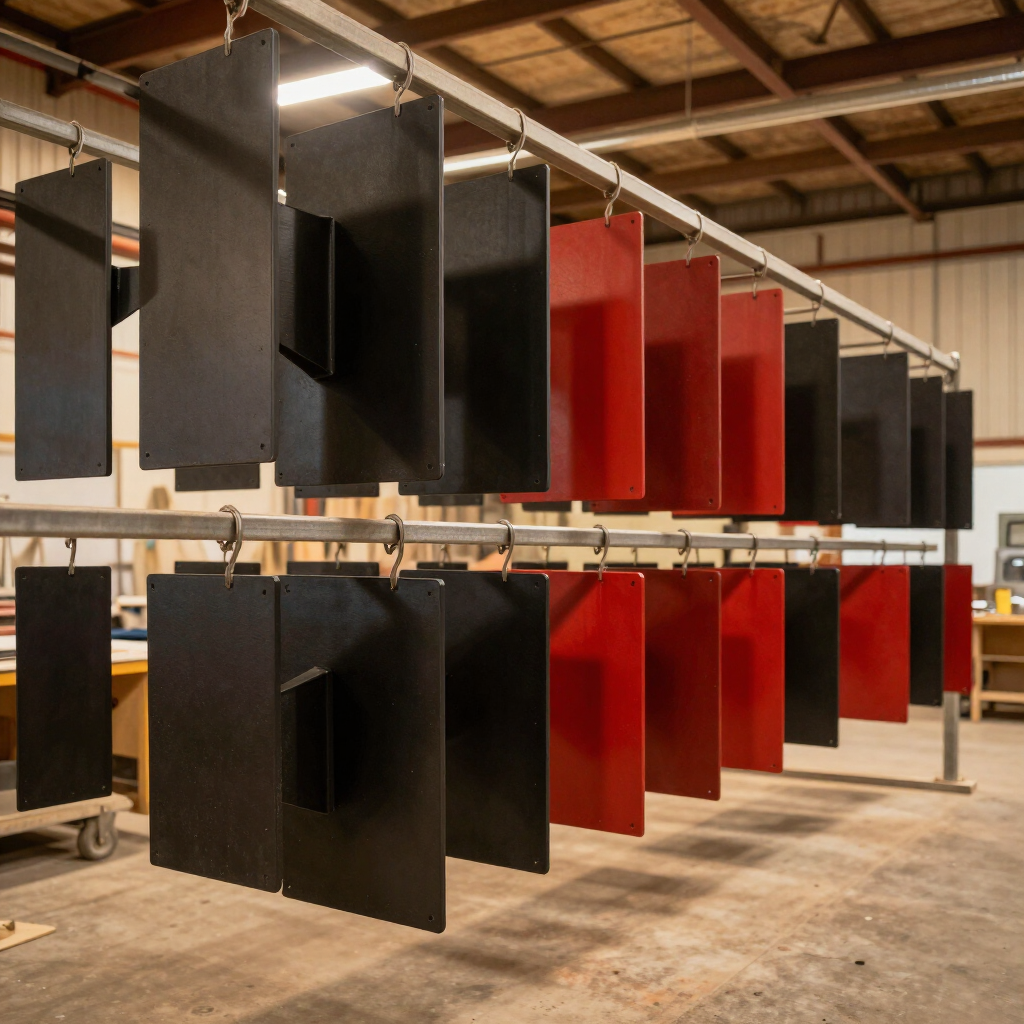
- Does powder coating add cost? Yes. Powder coating adds cleaning, masking, coating, curing, and inspection. It also gives the part a professional finish with color, texture, and better long-term protection than leaving raw metal exposed.
- Why does Arizona matter? Arizona heat, UV exposure, dust, road debris, ranch use, off-road vibration, irrigation overspray, and monsoon moisture can punish weak repairs and poor finishes. A part that lives outdoors needs the right material, prep, and coating system.
- Why choose Apex Powder Coating? Apex can handle custom fabrication, welding repair, sandblasting, media blasting, powder coating, finish selection, and large-item coating under one roof. That means your part can be made, repaired, prepped, coated, cured, and inspected as one complete project.
If you are wondering how much to get a metal part made for your project in Arizona, the real answer depends on much more than the size of the part. A small bracket may be simple, or it may need exact hole spacing, careful welding, surface cleanup, sandblasting, and powder coating. A trailer component, gate plate, railing section, off-road mount, ranch equipment repair, or large fabricated assembly may cost more because the shop has to solve a real metalworking problem, not just cut a piece of steel.
How Fabrication Pricing Really Works
A fabrication pricing guide from RAPMAF summarizes the basic formula this way: “Final Price = (Labor Hours + Setup Hours) * Shop Rate + Material Cost + Finishing Cost.” That is a useful way to think about custom metal parts because the material is only one piece of the quote. Labor, setup, welding, finishing, and inspection often matter more.
Apex explains the finishing side of that same idea through its shop process. After fabrication, Apex says the part is sandblasted to bare metal to remove “weld spatter, mill scale, and surface contamination,” then powder coated in a chosen color and finish from its Prismatic Powders catalog.
Those two points matter because getting a part made is not only about raw material. It is about making the part correctly, preparing it correctly, and finishing it for the way it will actually be used.

Why There Is No One-Size-Fits-All Price
Custom metal parts are priced by process. A flat steel plate with two holes is different from a bent bracket with welded gussets. A loose part you can carry into the shop is different from a trailer that needs inspection, repair, blasting, masking, and coating.
A quote can change based on material type, thickness, cut length, number of holes, bends, welds, fitment requirements, cleanup, coating needs, and timeline. Mild steel is usually more affordable and easier to work than stainless steel or aluminum, but the final price still depends on the whole job. A simple aluminum part can cost more than a larger steel part if it requires TIG welding, tight tolerances, or special prep.
This is also why online pricing ranges can be helpful but imperfect. Angi’s 2026 sheet metal fabrication guide lists broad project costs and labor-rate ranges, while other fabrication pricing guides emphasize that material, labor, finishing, complexity, and quantity drive the final quote.
What Goes Into the Cost of a Metal Part?
Material
The shop has to know what the part should be made from. Common options include mild steel, stainless steel, aluminum, plate steel, square tubing, round tubing, angle iron, channel, sheet metal, and expanded metal.
Material cost depends on thickness, size, availability, waste, and whether the shop has material in stock. If the shop has to buy a full stick, sheet, or plate to make one small part, the quote may reflect that.
Measuring, Layout, and Design Time
Before anyone cuts metal, the shop may need to measure the original part, match bolt holes, confirm angles, check clearances, and decide how the part will be welded or finished.
This is where many one-off parts become more expensive than customers expect. Reddit and fabrication forum discussions often show people surprised that a “simple bracket” costs more than the raw material. The reason is usually time. One-off parts require setup, thinking, layout, and fitment.
Cutting, Drilling, Bending, and Welding
Every operation adds labor. Cutting a plate is one step. Adding accurate holes is another. Bending it is another. Welding gussets or tabs adds more time. Grinding and cleaning up welds adds even more.
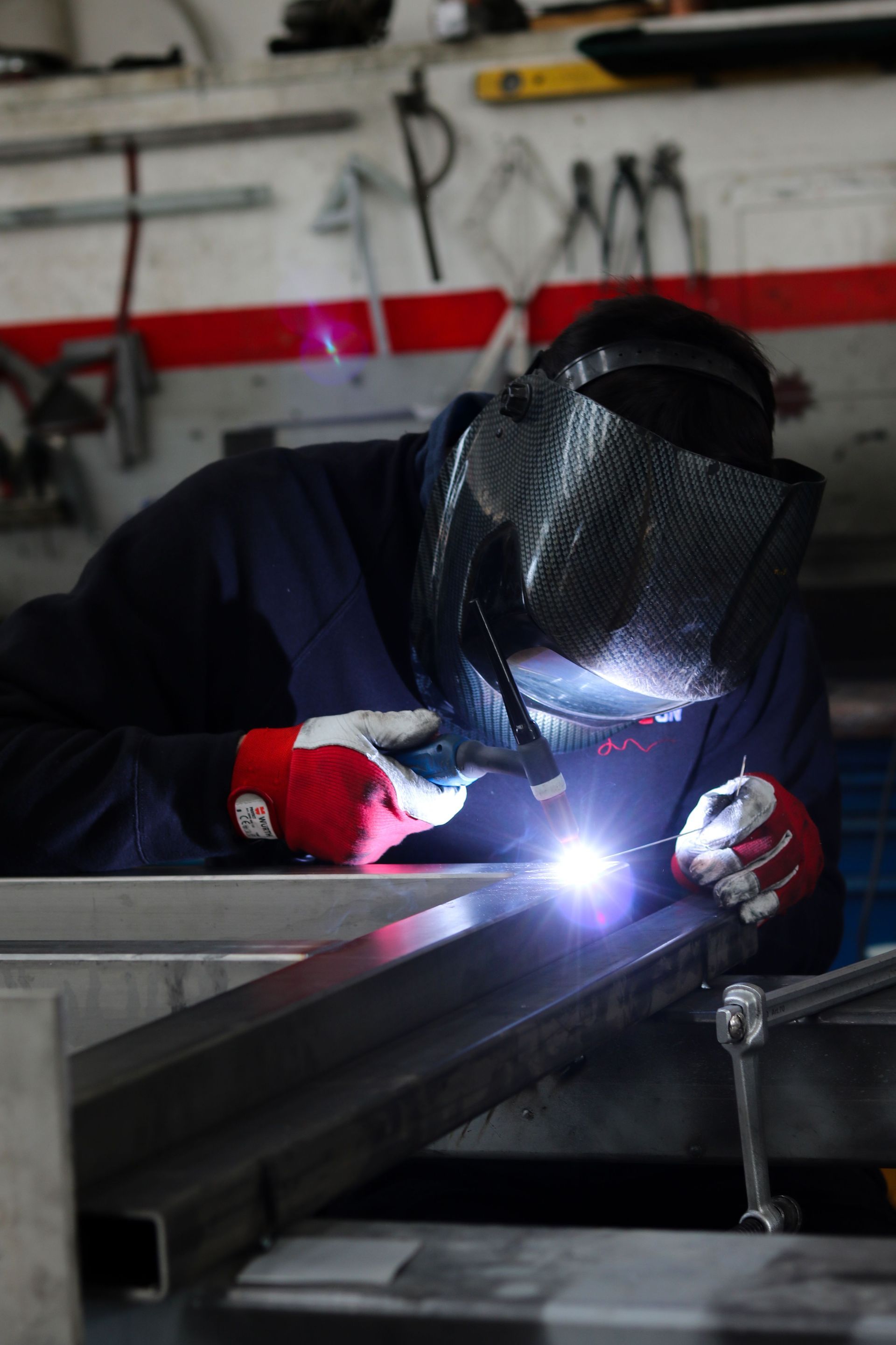
Welding cost depends on the material, access, joint design, welding process, strength requirement, and how clean the finished weld needs to look. A basic steel MIG weld may be efficient. Aluminum or stainless TIG welding usually takes more time and skill.
Sandblasting and Surface Prep
If the part has rust, paint, powder coat, mill scale, weld slag, or contamination, it may need sandblasting or media blasting before finishing. Apex’s sandblasting process is especially useful when the part needs to be cleaned and profiled before powder coating.
Skipping prep can save money upfront but cost more later. If the coating fails because rust or contamination was left behind, the part may need to be stripped and redone.
Powder Coating and Final Finish
Powder coating adds cost, but it also adds value. It gives the part a finished look, color, texture, and protection. Apex’s powder coating page notes that rust, old paint, or damage should be identified before coating, and that prep work such as sandblasting or welding may be recommended before the coating process.
Finish choice matters too. A simple satin black finish may be more straightforward than a specialty color, texture, metallic, candy, primer, or clear coat system. Masking also affects cost because threads, bolt holes, bearing surfaces, machined faces, and mating areas may need to be protected.

Arizona Cost Examples
Small Steel Bracket
A small bracket may seem like the cheapest possible job, but the quote depends on what it needs to do. If the bracket needs exact hole spacing, a bend, a welded tab, cleanup, and powder coating, it is no longer just a scrap piece of steel.
Trailer Ramp Bracket Repair
A trailer bracket may need inspection, cracked weld repair, reinforcement, grinding, blasting, and coating. In Arizona, trailer parts often deal with road debris, jobsite use, ranch work, dust, and vibration, so strength and prep matter.
Custom Gate Hinge Plate
A gate hinge plate may need to match existing dimensions, line up with hardware, handle load, and resist outdoor exposure. If the surrounding gate is also being refinished, the part may need to be blasted and powder coated to match.
Off-Road Rack or Mount
Off-road parts need to survive vibration, dust, rocks, and repeated use. A custom mount may require thicker material, clean welding, careful fitment, and a practical textured or satin powder coated finish.
Large Frame, Gate, or Rail
Larger parts cost more because they require more material, handling, blasting time, racking, oven space, coating time, and inspection. Apex’s large item coating capability is relevant here because large metal projects need proper curing space and handling.
Why Apex Simplifies the Process
Apex is built for projects that need more than one step. Their custom fabrication page describes in-house welding, metal repair, custom fabrication, sandblasting, and powder coating under one roof.
That helps you avoid managing multiple vendors. You do not have to take the part to a fabricator, then a blaster, then a powder coater. The metal can be evaluated as one project.
That matters because each step affects the next one. A weld can affect the surface prep. Surface prep affects coating adhesion. Masking affects fitment. Finish selection affects long-term performance. Apex can help connect those decisions.
Apex also gives you access to more than 6,500 colors and finishes as a Qualified Prismatic Powders Applicator, which means your project can be matched to a practical finish rather than being limited to a basic color.
What to Send in for an Accurate Quote
A good quote starts with good information. Send clear photos from multiple angles, including closeups of damage, rust, old coating, welds, bolt holes, and attachment points. Include measurements such as length, width, thickness, hole spacing, bolt size, and any critical clearances.
Explain how the part will be used. Is it structural or decorative? Will it live indoors or outdoors? Is it for a trailer, gate, railing, off-road vehicle, ranch project, commercial sign, or industrial part? Will it be touched often? Will it carry weight? Will it see dust, rocks, vibration, or moisture?
Also explain your finish goal. You may only need raw fabrication, or you may want sandblasting and powder coating. You may prefer matte, satin, gloss, texture, bronze, black, metallic, or a specific Prismatic Powder color.
The more complete your information is, the less guesswork the shop has to build into the quote.
How to Save Money Without Cutting Corners
The best way to control cost is to simplify the project without weakening it. Use standard materials when possible. Avoid unnecessary bends, decorative details, tight tolerances, and complex geometry unless they are needed. Bring the old part if you have it. Provide good measurements. Batch small parts together if multiple pieces need coating.
Do not save money by skipping required prep. For Arizona outdoor metal, sandblasting and proper coating can be the difference between a part that looks finished and a part that fails early. A lower quote may not include the same scope. One shop may quote only welding. Another may quote welding, cleanup, blasting, powder coating, masking, and inspection.
When comparing quotes, ask what is included.
Apex-Style Scenario: A Bracket That Was More Than a Bracket
Imagine you bring Apex a broken trailer bracket and ask, “How much to make this?”
At first, it looks like a small part. But the shop has to check the material, thickness, hole spacing, load direction, cracked welds, rust, and old coating. If the bracket needs to be cut, drilled, welded, reinforced, ground smooth, blasted, masked, coated, cured, and inspected, the price is based on that full process.
This is the key takeaway: a custom metal part is not priced by size alone. It is priced by what the part has to do and what it takes to make it correctly.
Common Questions About Getting a Metal Part Made
How much does it cost to make a small metal part?
It depends on material, labor, precision, finish, and shop minimums. Small parts can still require setup, measuring, cutting, drilling, welding, and coating.
Can a shop copy an existing part?
Often, yes. Bringing the old part, photos, and measurements can help the shop understand what needs to be duplicated or improved.
Do I need a drawing?
Not always. A drawing helps, but many custom shops can start with photos, measurements, and the existing part.
Is welding included in fabrication?
Often, yes. Welding is one process within fabrication, but fabrication can also include cutting, fitting, bending, drilling, grinding, blasting, and coating.
Can the part be powder coated after it is made?
Yes, if it can be cleaned, masked, grounded, coated, cured, and inspected properly.
What is cheaper, buying a part or having one made?
If a standard part exists and fits, buying it is usually cheaper. Custom fabrication makes sense when the part is unavailable, needs modification, or must fit a unique project.
Final Thoughts
If you are asking how much to get a metal part made in Arizona, the real answer depends on the part’s purpose, material, size, complexity, welding needs, prep requirements, and final finish.
A simple part may still require careful labor. A damaged part may need repair before coating. An outdoor part may need sandblasting and powder coating to survive Arizona conditions. The best quote is not always the lowest quote. It is the quote that includes the right scope for the way the part will actually be used.
If you need a custom metal part made, repaired, sandblasted, or powder coated in Arizona, Apex Powder Coating can help you understand the scope and choose the right material, repair, prep, and finish for your project.
Recent Posts