Manufacturer vs Fabricator | Where Welding Fits and What You Need In AZ
TL;DR
- A manufacturer usually produces repeatable products, parts, or assemblies at scale. If you need 500 identical brackets, a product line, OEM parts, or standardized production, you may need a manufacturer.
- A fabricator usually builds, repairs, modifies, or customizes metal for a specific project. If you need a gate repaired, a trailer bracket rebuilt, a railing modified, ranch equipment restored, or a one-off metal part finished, you probably need a fabricator.
- Welding is not the same as fabrication. Welding joins metal. Fabrication is the full process of planning, measuring, cutting, fitting, welding, grinding, repairing, sandblasting, and finishing metal.
- A welder may be enough if you only need a crack repaired or two pieces joined. A fabricator is usually better if the part also needs fitment, reinforcement, modification, cleanup, blasting, or powder coating.
- A powder coating shop finishes the metal, but not every powder coating shop can repair or fabricate the part first. If the part is cracked, rusted, bent, or poorly modified, the repair should happen before coating.
- Sandblasting or media blasting often happens after fabrication and before powder coating. It removes rust, old paint, old powder coat, mill scale, weld slag, and contamination so the coating has a better surface to bond to.
- Forum and subreddit-style questions usually come down to one issue: people are unsure whether they need a welder, fabricator, manufacturer, or finishing shop. In most one-off repair and coating situations, the answer is a fabrication and finishing shop, not a production manufacturer.
- Arizona matters because metal here works hard. Sun, heat, dust, wind, monsoon moisture, road debris, ranch use, off-road vibration, and jobsite abuse all make proper welding, fabrication, surface prep, and powder coating more important.
- Apex Powder Coating is a strong fit when your project needs more than one step. Apex can handle custom fabrication, welding repair, sandblasting, media blasting, powder coating, finish selection, and large-item coating under one roof.
When you are comparing a manufacturer vs a fabricator, it helps to understand where welding, fabrication, sandblasting, powder coating, and metal finishing fit into the larger process. A manufacturer usually produces repeatable products or components at scale. A fabricator usually builds, repairs, modifies, or customizes metal for a specific need. If you live in Arizona and need a trailer fixed, a gate modified, a railing refinished, a bracket rebuilt, or a custom part powder coated, you may not need a large manufacturer. You may need a shop that can evaluate the actual metal, repair it, blast it, coat it, and finish it correctly.
Manufacturing, Fabrication, and Welding Are Connected
The U.S. Bureau of Labor Statistics describes fabricated metal product manufacturing as a sector where shaping and joining processes work together. It notes that important processes include “forging, stamping, bending, forming, and machining” along with “welding and assembling” to join parts. BLS
Apex explains the customer-facing side of that same idea more practically: “Repairs are made with coating in mind.”
Those two quotes matter because they show the difference between a single task and a finished metal project.
Manufacturing, fabrication, welding, and finishing can overlap, but the right shop depends on what you actually need done.
Manufacturer vs Fabricator: The Simple Difference
A manufacturer is usually built for repeatable production. That might mean making the same bracket, frame, enclosure, panel, component, or assembly over and over again. Manufacturers often work from drawings, specifications, production schedules, quality systems, and repeatable processes.
A fabricator is usually more project-specific. A fabricator may take raw steel, aluminum, stainless, tubing, plate, angle, or sheet metal and turn it into something useful. That could be a custom gate, a trailer repair, a railing modification, a sign frame, a ranch equipment repair, or a one-off bracket that does not exist on a shelf.
There is overlap. Some manufacturers fabricate. Some fabricators produce small batches. But for you as the customer, the better question is not “which word is technically bigger?” The better question is, “Which type of shop is built for my project?”
What a Manufacturer Usually Does
A manufacturer turns materials or components into products. In metalwork, that can include cutting, stamping, forming, machining, welding, assembling, coating, packaging, and shipping. Manufacturers are often the right fit when you need consistency across many units.
You probably need a manufacturer if you have engineered drawings, a product line, a repeat order, a large quantity, or a need for part-to-part consistency. For example, if you need hundreds of identical mounting plates or thousands of stamped components, a manufacturer may be the right path.
A manufacturer may not be the best fit if you have one damaged trailer, one custom gate, one cracked bracket, or an old metal part that needs repair and refinishing. In those cases, you likely need a fabricator or a full-service fabrication and finishing shop.
What a Fabricator Usually Does
A fabricator solves hands-on metal problems. Fabrication can include measuring, cutting, bending, drilling, fitting, welding, grinding, reinforcing, replacing damaged sections, modifying an existing part, and preparing the metal for finishing.
This is where many Arizona projects fall. A ranch gate may need hinge reinforcement. A trailer may need a cracked ramp bracket repaired. A railing may need modification before it can be blasted and coated. A sign frame may need fabrication, cleanup, and a clean powder coated finish.
Apex’s custom fabrication service fits this type of need because the work does not stop at welding. The part can be repaired, cleaned up, blasted, coated, cured, and inspected as one connected project.
Where Welding Fits
Welding is a process, not the entire category. It joins metal together. Welding can happen inside manufacturing, inside fabrication, or inside repair work.
In manufacturing, welding may be repeated as part of a production line. In fabrication, welding may be part of a custom repair or modification. A welder may repair a crack, attach a bracket, reinforce a frame, or join tubing. A fabricator looks at the larger problem around that weld.
For example, if a trailer bracket cracked because the original tab was too thin or poorly supported, simply welding the crack may not be enough. A fabrication-minded shop may reinforce the area, replace the tab, smooth the repair, blast the frame, and powder coat the finished part.
That is why welding quality matters before powder coating. Powder coating can make metal look finished, but it will not fix cracked welds, poor fitment, rough spatter, rust-through, missing metal, or sharp burrs. The metal has to be corrected before the finish is applied.
Manufacturer vs Fabricator vs Powder Coating Shop
A manufacturer is best for repeatable production. A fabricator is best for custom metal work, repair, modification, and one-off projects. A powder coating shop is best for applying a durable protective and decorative finish after the metal is properly prepared.
The problem is that many real projects need more than one of those services.
If your part is clean, new, and ready to coat, a basic powder coating shop may be enough. If the part is rusty, cracked, bent, or covered in old coating, you need more. You may need welding repair, fabrication, sandblasting, masking, and coating.
That is where a full-service shop matters. Apex combines fabrication, welding repair, sandblasting, and powder coating so the project can move through the correct order.

What Do You Actually Need?
If you need many identical parts, you may need a manufacturer. If you need one custom part, one repair, one modification, or one damaged metal item fixed, you likely need a fabricator.
If you need two pieces of metal joined, you need welding. If that joined part also needs fitment, reinforcement, grinding, cleanup, blasting, and coating, you need fabrication and finishing.
If you need rust, old paint, mill scale, weld slag, or old powder coat removed, you need sandblasting or media blasting. If you want color, texture, durability, and a professional finished appearance, you need powder coating.
If you need several of these steps, you need a shop like Apex that can handle the whole process.
Why Arizona Customers Often Need a Fabricator, Not a Manufacturer
Arizona metal projects are often practical and repair-based. You may not need a production run. You may need someone to fix the part you already have.
Common Arizona examples include trailer repairs, ranch gates, railing modifications, off-road racks, steel brackets, commercial signs, equipment guards, patio furniture frames, utility parts, and industrial supports.
These projects live in harsh conditions. Arizona sun can punish finishes. Dust and wind can wear on metal. Road debris can chip trailers and frames. Monsoon moisture and irrigation overspray can find weak spots. Ranch use, jobsite use, and off-road vibration can expose poor welds or weak repairs.
That is why a local fabrication and finishing workflow can be more valuable than a manufacturer. A manufacturer may be great at producing the same part repeatedly, but a fabricator can inspect your actual part and solve the specific problem in front of them.
How Sandblasting and Powder Coating Fit After Fabrication
Fabrication often leaves surfaces that need cleanup. After welding or grinding, the metal may have spatter, mill scale, oils, marker lines, fingerprints, oxidation, slag, and grinding dust. Older parts may also have rust, failing paint, or old powder coating.
Sandblasting removes that contamination and creates a cleaner foundation for powder coating. This step is especially important when the part will live outdoors.
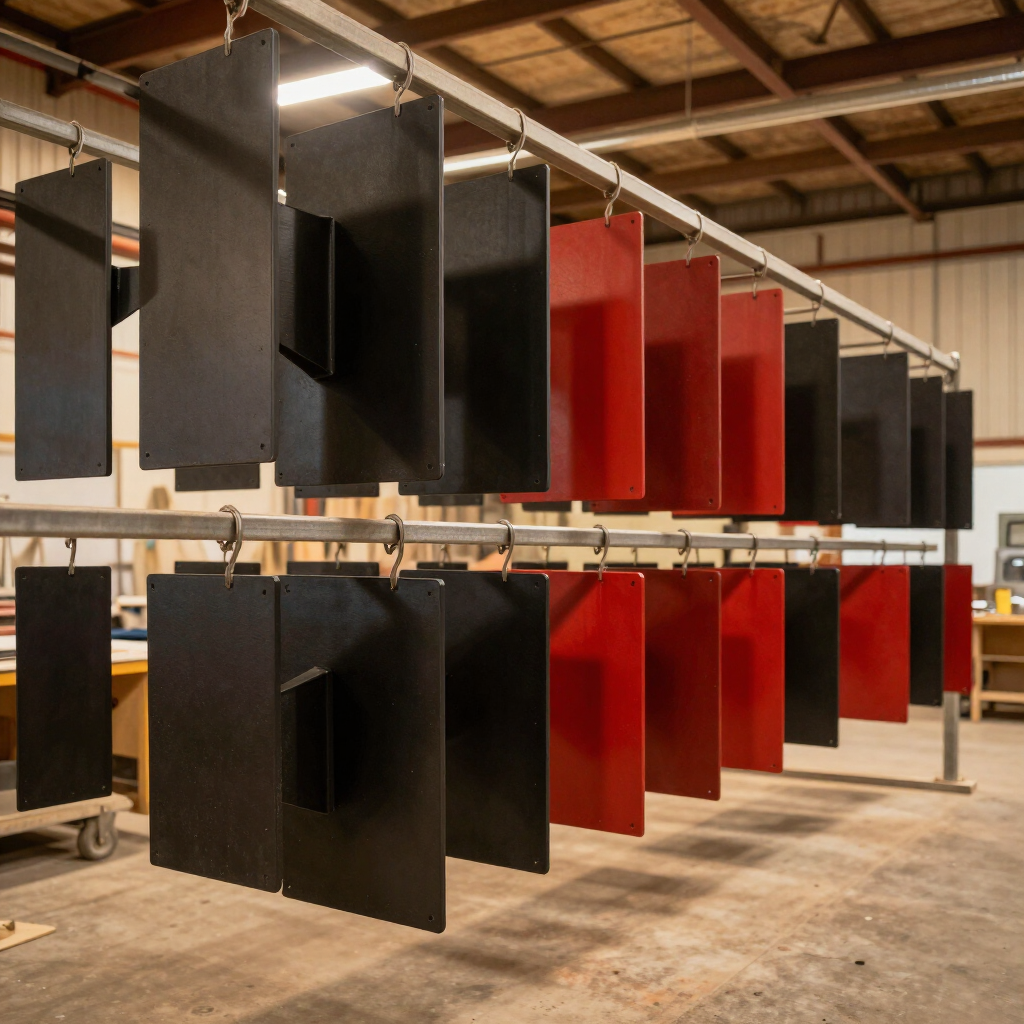
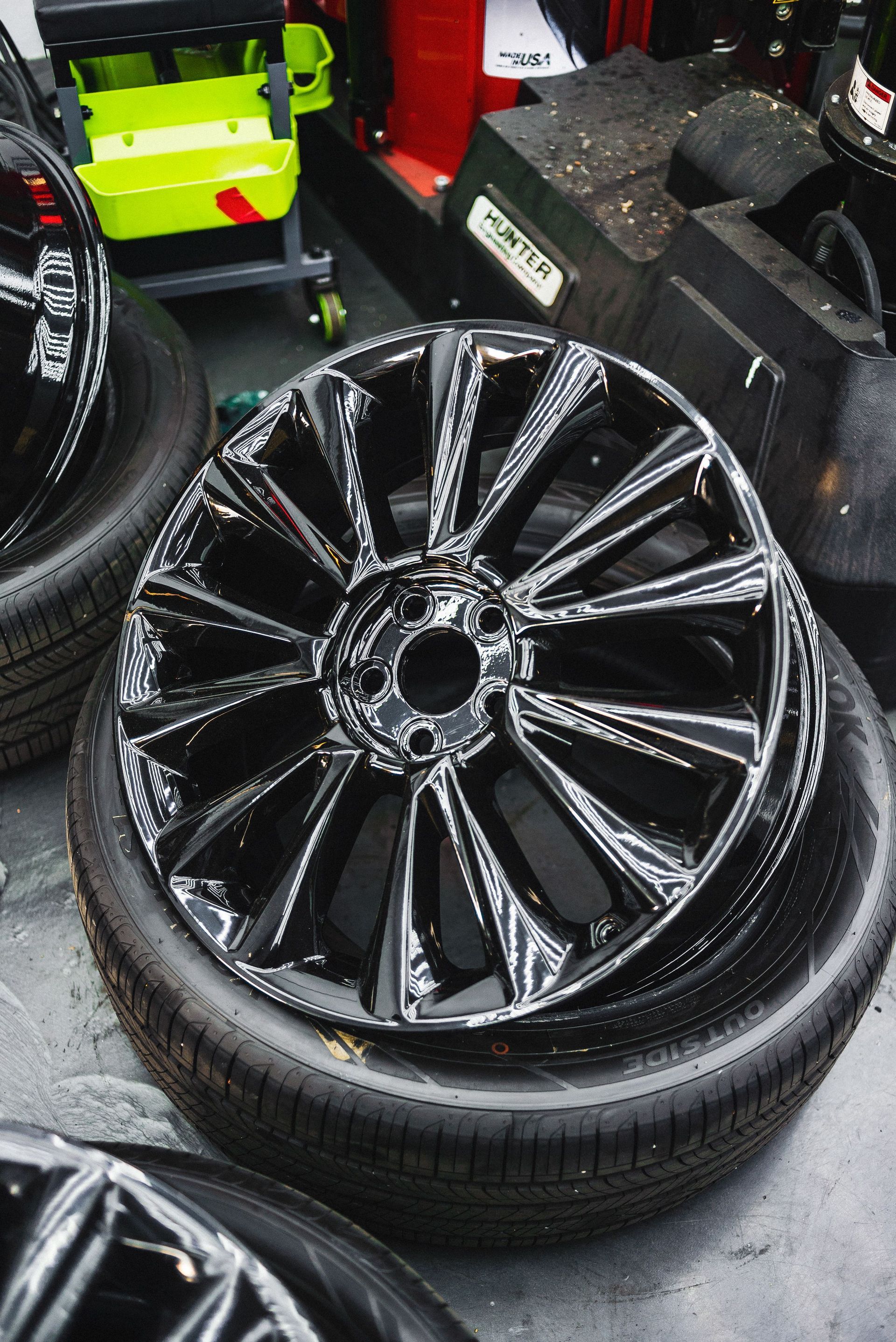
Powder coating is the final protective and decorative finish. It gives the metal color, texture, and a professional appearance. But it works best when the part has been repaired, cleaned, masked, and cured correctly.
The order matters. Do not powder coat before welding, grinding, or repair unless you are prepared to damage the finish. Welding after powder coating will burn the coating around the repair area.
Apex’s large-item capacity also matters for Arizona customers with oversized projects. Their large item coating page explains that their curing oven measures 10 feet wide, 10 feet tall, and 30 feet deep, which is useful for trailers, gates, railings, frames, truck beds, flatbeds, and large fabricated assemblies.
Apex-Style Scenario: When a “Manufacturer” Is Not What You Need
Imagine an Arizona property owner needs a replacement bracket for a large steel gate. At first, they search for a manufacturer because they think the part needs to be “made.”
But the project does not need 500 identical parts. It needs one part that fits the existing gate, lines up correctly, supports the hinge, holds up outside, and matches the rest of the metal after coating.
That is a fabrication and finishing job.
An Apex-style process would start by inspecting the gate or bracket. The shop would measure the part, fabricate or repair what is needed, weld it, clean up the repair, blast the surface, mask any critical areas, powder coat it, cure it, and inspect the final finish.
The customer avoids managing a manufacturer, a welder, a blaster, and a coating shop separately. The project stays in one workflow.
What Forums and Subreddits Reveal About the Confusion
Forum and subreddit discussions often show people using these terms interchangeably. Some users ask whether they should pursue welding or fabrication. Others talk about fabrication as a broader skill set that includes cutting, fitting, layout, tack-up, and welding. In powder coating discussions, people ask whether parts should be welded before coating, whether mill scale should be removed, and whether powder coating can hide flaws.
The practical answer is consistent: welding is one step, fabrication is the broader metalwork, and powder coating should come after the dirty work is done. If you need a finished metal part, think about the whole sequence, not just one service.
Common Questions About Manufacturer vs Fabricator
Is a fabricator a manufacturer?
Sometimes. Fabrication can be part of manufacturing, and some fabricators produce repeat parts. But in practical customer terms, a manufacturer is usually better for repeatable production, while a fabricator is better for custom work, repair, and modification.
Is welding manufacturing or fabrication?
It can be either. Welding is a process. It may be used in a manufacturing production line or in a custom fabrication repair.
What is the difference between a fabricator and a welder?
A welder joins metal. A fabricator plans, cuts, fits, modifies, repairs, welds, and prepares metal for use or finishing.
Do manufacturers powder coat parts?
Some do, especially if they have in-house finishing lines. Others outsource coating to powder coating shops.
Do fabricators powder coat parts?
Some do, but many do not. Apex is different because fabrication, repair, sandblasting, powder coating, and large-item coating are handled under one roof.
What if I only need one custom part?
You probably need a fabricator, not a large manufacturer.
What if I need hundreds of identical parts?
You may need a manufacturer, production fabricator, or shop with repeat-run capability.
Final Thoughts
If you are comparing a manufacturer vs a fabricator, start with the project, not the label. If you need large quantities of identical parts, a manufacturer may be the right choice. If you need a custom repair, a modified gate, a trailer bracket, a railing fix, ranch equipment repair, sandblasting, or powder coating, a fabricator or full-service metal finishing shop is often the better choice.
For Arizona customers, the best result usually comes from the right sequence: inspect, repair or fabricate, weld, clean up, sandblast, mask, powder coat, cure, and inspect.
Apex Powder Coating is built for that kind of workflow. If your project needs welding repair, custom fabrication, sandblasting, powder coating, large-item coating, or finish guidance, Apex can help move it from damaged or unfinished metal to a finished part built for real Arizona use.
Recent Posts