Media Blasting near me | the different types of media and their uses
TL;DR
- If you are searching Media Blasting near me in Arizona, the right blasting media depends on the material, rust level, existing finish, part thickness, and what happens after blasting.
- Aluminum oxide is usually best for rusted steel, old paint, mill scale, trailer frames, gates, and powder coating prep.
- Glass bead is often better for aluminum, stainless steel, decorative metal, engine covers, and parts that need a cleaner satin finish.
- Steel grit is a heavy-duty option for industrial steel, equipment frames, structural pieces, and severe corrosion.
- Not every project needs aggressive blasting. Thin sheet metal, chrome, polished surfaces, precision parts, and soft metals may need gentler media, lower pressure, masking, or a different prep method.
- Media blasting is often recommended before powder coating because it removes contamination and creates the surface profile needed for stronger adhesion.
- Bare blasted metal should usually move quickly into powder coating, primer, or another protective finish to avoid new oxidation.
- Apex Powder Coating can handle custom fabrication, sandblasting, powder coating, and large item coating as one connected process.
If you are searching Media Blasting near me, you probably want a direct answer before you load up your part and take it anywhere. Will blasting remove rust? Usually, yes. Does every part need aggressive blasting? No. Can the wrong blasting media damage metal? Also yes. The best process depends on what your part is made from, what is already on the surface, how thick the metal is, and whether you are preparing it for powder coating, paint, restoration, or a visible decorative finish.
Media blasting is not just “blasting paint off.” It is a controlled surface-preparation process. The right media can remove rust, old coating, mill scale, oxidation, weld slag, and contamination while creating the right profile for a finish to bond. The wrong media can warp thin metal, damage chrome, roughen a decorative surface, or create more work than your project needs.
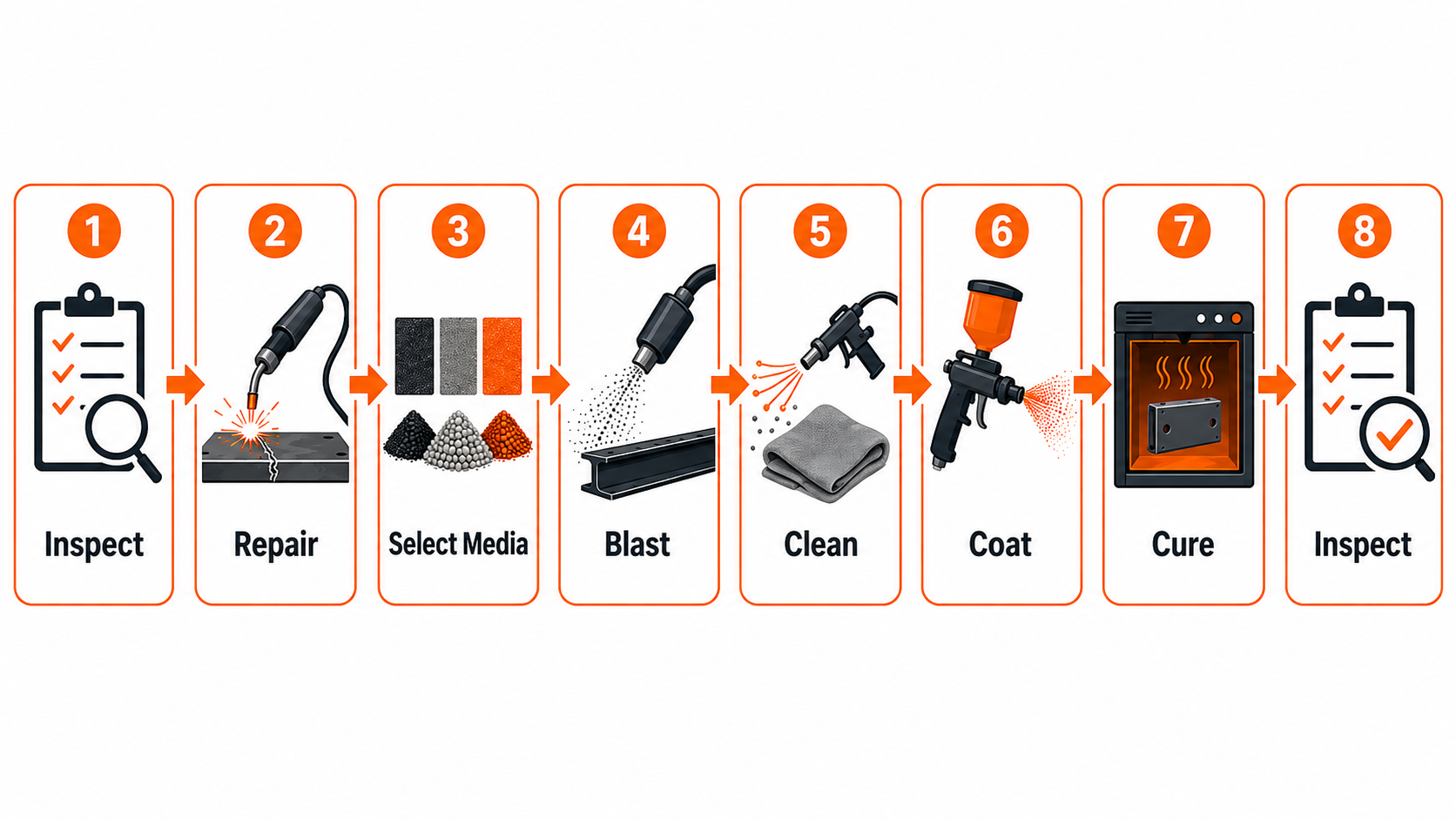
That is why a professional media blasting shop should ask questions before choosing an abrasive. At Apex Powder Coating, blasting is part of a larger workflow that can include repair, fabrication, coating, curing, and inspection. That matters because the best finish starts with the right surface.

Is Media Blasting the Same as Sandblasting?
“Sandblasting” is the term most people use, but media blasting is the broader professional term. It refers to using a controlled stream of abrasive material to clean, strip, profile, or restore a surface.
The media itself may be aluminum oxide, glass bead, steel grit, crushed glass, walnut shell, plastic media, or another abrasive chosen for the part. Apex uses aluminum oxide, glass bead, and steel grit rather than actual silica sand, which creates harmful dust concerns.
The material matters because a trailer frame and a polished aluminum engine cover should not be treated the same way. One needs aggressive rust removal and a strong coating profile. The other may only need controlled cleaning and a refined satin surface.
Why Media Blasting Matters Before Powder Coating
Powder coating needs clean, stable metal. It does not permanently solve rust, grease, mill scale, old peeling paint, or failed repairs underneath the surface. If those conditions remain, the finish can chip, bubble, peel, or rust from underneath.
The Powder Coating Institute explains the point clearly:
“The surface being coated should allow a certain amount of penetration, be chemically clean, be hard, not too smooth, and non-porous, to achieve good adhesion.”
That is why blasting is so important. It removes what the eye can see and what it cannot. It also creates an anchor profile that gives the powder something to hold onto once it is electrostatically applied and cured.
For projects like gates, railings, trailers, frames, ranch equipment, outdoor furniture, and structural steel, professional sandblasting is often the difference between a finish that looks good for a few weeks and a finish that holds up for years.
Aluminum Oxide Media Blasting
Best for heavy rust, old paint, and powder coating prep
Aluminum oxide is a strong, angular abrasive. It cuts aggressively through rust, failed paint, mill scale, weld slag, and surface contamination. It is one of the most useful blasting media choices when durability matters more than preserving a smooth original finish.
This is often the right choice for:
- trailer frames
- gates and fencing
- structural steel
- agricultural equipment
- steel railings
- racks and brackets
- off-road parts
- old painted metal
- heavily rusted automotive pieces
Aluminum oxide works especially well before powder coating because it leaves a profile that helps the coating bond to the metal. If your project is a rusted gate, utility trailer, truck frame, equipment bracket, or exterior steel feature, this may be the best starting point.
When aluminum oxide is too aggressive
Aluminum oxide is not the right answer for every item. Thin sheet metal can warp if blasting pressure is too high. Soft aluminum, polished surfaces, chrome, and precision-fit components may need gentler media or careful masking.
The goal is not to use the strongest abrasive. The goal is to use the right one.
Glass Bead Media Blasting
Best for aluminum, stainless steel, and decorative parts
Glass bead blasting is gentler than aluminum oxide. It cleans and brightens the metal while leaving a smoother satin appearance. It is a strong option when the surface itself is part of the final look or when you want cleaning without deep cutting.
Glass bead blasting is often useful for:
- aluminum parts
- stainless steel
- motorcycle components
- engine covers
- visible hardware
- decorative metal
- restoration projects
- fabricated accents
- parts that need a satin finish
For example, if you have a dull aluminum part that needs to look clean and uniform without becoming heavily textured, glass bead may be the better process. It is also useful for certain restoration and decorative projects where harsh media would create an industrial look that does not fit the finished piece.
When glass bead is not enough
Glass bead is not the best fit for severe corrosion, thick old paint, major mill scale, or heavy weld slag. If the metal is badly rusted or coated with multiple old paint layers, a more aggressive media may be necessary.
Steel Grit Media Blasting
Best for industrial steel and severe corrosion
Steel grit is a heavier-duty abrasive used for thick steel, industrial equipment, structural components, and major restoration projects. It creates a stronger profile and can remove thick coatings, corrosion, and scale efficiently.
Steel grit is often useful for:
- heavy equipment
- agricultural machinery
- industrial frames
- structural steel
- commercial steel components
- heavily rusted trailers
- large fabricated assemblies
- high-use ranch equipment
This is the kind of media that makes sense when the metal is thick, rugged, and headed for a heavy-duty finish system. It is not a delicate process. It is a practical one for parts that need to perform.
Where steel grit should be avoided
Steel grit is usually too aggressive for thin sheet metal, polished surfaces, soft alloys, delicate decorative work, and precision-machined parts. It can create a profile that is too rough or damage the original surface.
If you want to, check out our csv table below for use cases of every Media type.
Other Media Types You May Hear About
You may also hear about walnut shell, soda blasting, plastic media, crushed glass, and garnet. These media have different roles.
Walnut shell and plastic media can help remove coatings from delicate substrates without cutting deeply into the base material. Soda blasting can be useful for sensitive cleaning and restoration work, although residue and coating adhesion requirements need to be considered carefully before powder coating.
Crushed glass and garnet may be used for stripping and general surface preparation depending on the material, equipment, and finish plan.
The important point is this: there is no universal “best blasting media.” There is only the best media for your exact project.
The Trailer Frame That Needed the Right Media
an Arizona contractor was bringing in an older utility trailer frame. The trailer has years of road grime, rust near the tongue and crossmembers, peeling paint, old weld repairs, and rough mill scale in places. The goal is a clean black powder coated finish that will hold up through hauling, weather, and jobsite use.
What's the right choice? glass bead is not the right choice. It would be too gentle for the amount of rust and failed paint. A softer media might clean the surface, but it would take longer and may not create the profile needed for strong powder coating adhesion.
In a project like this, Apex first inspected the frame. Are there weak welds? Is any steel rusted through? Do brackets need repair? That is where a lot of these projects need some fresh fabrication, that can happen before the finish process begins.
After repair, aluminum oxide or steel grit could be selected based on the steel condition and the desired surface profile. The frame would be blasted clean, checked for hidden damage, prepared for powder coating, then cured and inspected before release.
The media choice is not a side detail. It affects how clean the metal becomes, how well the powder bonds, and how long the final finish can realistically last.
Which Blasting Media Works Best for Common Arizona Projects?
Gates and railings
Rusted steel gates and railings often need aluminum oxide to remove old paint, corrosion, and surface contamination before powder coating. Decorative aluminum or stainless accents may be better candidates for glass bead.
Trailer frames and utility equipment
Trailers, racks, frames, agricultural equipment, and utility components often need aluminum oxide or steel grit because they deal with rust, paint failure, heavy use, and thick steel. For larger projects, large item coating becomes important because part size affects blasting, handling, coating, and curing.
Automotive wheels and off-road parts
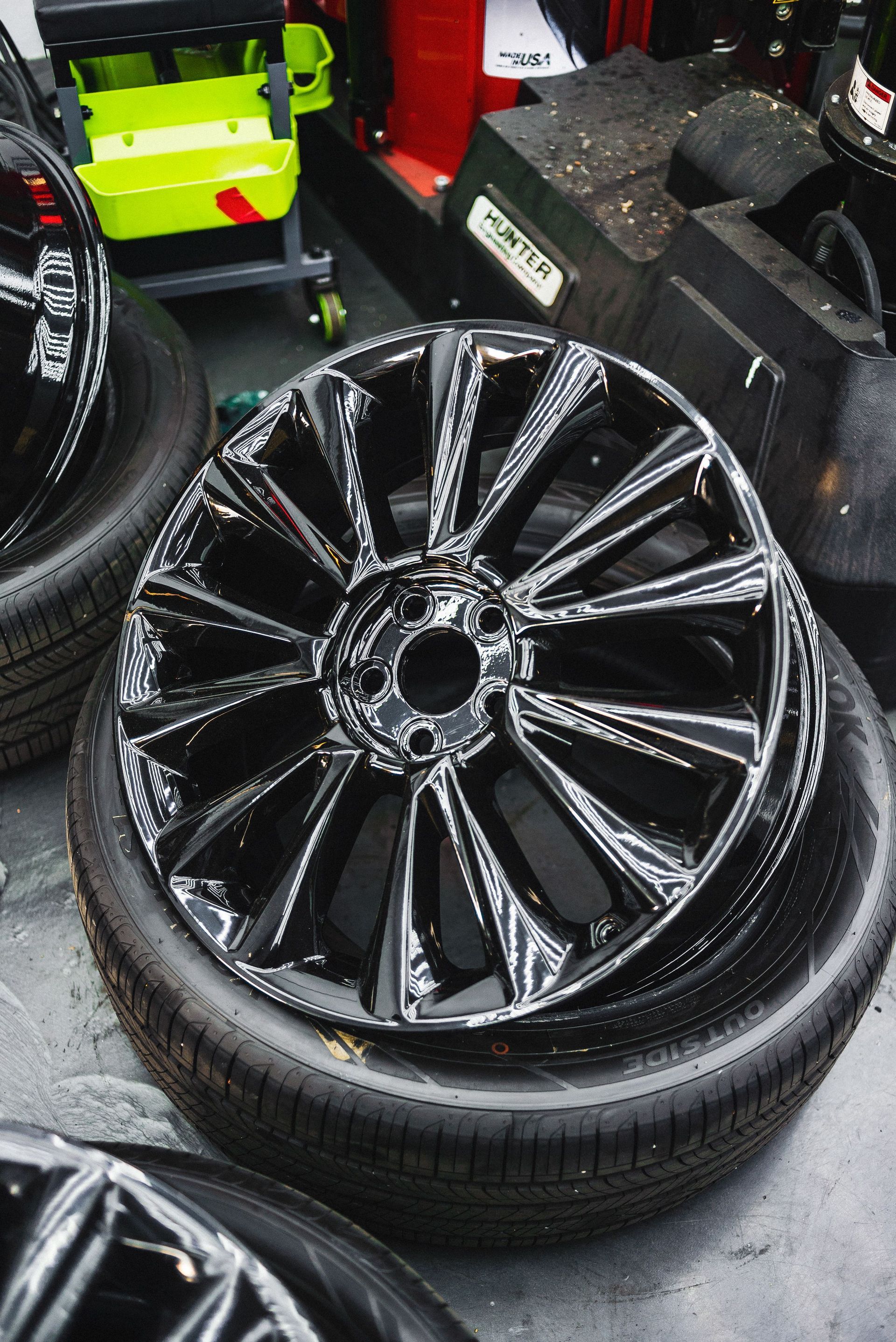
Media selection depends on whether the part is steel or aluminum, whether it has old paint or corrosion, and whether it is headed for powder coating. Aluminum wheels usually need more controlled blasting than a steel truck frame.
Outdoor furniture and decorative metal
Glass bead can be a strong option for pieces that need a refined surface. Aluminum oxide may be necessary when rust or old paint is severe. The final finish goal should guide the process.
Industrial and agricultural metalwork
Steel grit or aggressive aluminum oxide is often the right direction for heavy machinery, structural parts, ranch equipment, and commercial steel that sees harsh use.
When Media Blasting Is Not the Best Answer
Media blasting is powerful, but it is not always the correct choice.
Thin sheet metal can warp. Chrome and polished surfaces can be ruined. Threads, bearing seats, seals, and machined surfaces need masking. New, clean metal may only need lighter preparation rather than a full aggressive blast.
A good blasting company should not treat every part the same. They should inspect the material, discuss the finish goal, and explain the risk before starting.

Why Arizona Conditions Make Proper Blasting More Important
Arizona projects are hard on metal. UV exposure can weaken poor finishes. Wind and dust can abrade exterior surfaces. Monsoon moisture can find weak seams, chips, and areas where rust was left behind.
That is why proper prep is not optional for serious outdoor metal. If a gate, railing, trailer, sign, or equipment frame is going to live outside, you want the coating to start with clean, well-profiled metal.
Apex keeps sandblasting and powder coating under one roof, which helps reduce re-contamination risk between prep and final finishing. That one-shop workflow matters when you want a cleaner process and a more accountable result.
What to Ask Before Choosing a Media Blasting Shop
Before dropping off your part, ask:
- What blasting media do you recommend and why?
- Can this media damage my material?
- Does the part need repair before blasting?
- Can you powder coat it immediately after blasting?
- How do you protect threads, seals, and precision areas?
- Can you handle oversized parts?
- Can I see similar completed work?
Apex’s Gallery and Testimonials pages are useful places to review the company’s work and customer feedback before you request a quote.
Final Thoughts
Media blasting is more than paint stripping. It is a surface-preparation decision that affects adhesion, finish quality, durability, and cost.
Aluminum oxide is a strong choice for rust, old paint, trailer frames, gates, and powder coating prep. Glass bead is better for aluminum, stainless, decorative metal, and satin finishes. Steel grit is a rugged solution for industrial steel, heavy equipment, and severe corrosion.
The right media depends on your material, its condition, and what you want the finished project to do. If you want clear guidance on media blasting, powder coating, rust removal, custom fabrication, and large-item metal finishing in Arizona, contact Apex Powder Coating for a free quote.