Powder Coating Arizona | Custom Coatings and Cerakote Services
TL;DR
- If you are searching for powder coating Arizona, custom coatings, Cerakote services, or media blasting in Arizona, the right finish depends on the part, the environment, and how the item will be used.
- Powder coating is often the better fit for gates, railings, signs, trailers, frames, architectural metal, outdoor furniture, and large fabricated steel.
- Cerakote-style ceramic coatings are often discussed for high-heat parts, tight-tolerance parts, specialty performance components, and mixed-material applications.
- Sandblasting and media blasting matter because the finish can only bond properly when the surface is clean, profiled, and ready.
- In Arizona, heat, UV, dust, abrasion, and seasonal moisture make coating selection more important than it would be in a mild climate.
- The best coating is not always the most expensive one. It is the one that fits the use case.
- A shop that understands fabrication, blasting, and finishing can help you avoid choosing the wrong coating system for your project.
If you are searching for powder coating Arizona, custom coatings, Cerakote services, or sandblasting companies near you, you are probably trying to answer one important question: what finish is actually right for your project? That question matters because Arizona is hard on metal. Sun exposure, heat, dust, abrasion, moisture, and real day-to-day use can break down the wrong finish faster than you expect.
This is where it helps to understand the difference between powder coating, specialty custom coatings, and Cerakote-style ceramic coatings. They are not all the same. They are not interchangeable. Each one has strengths, limitations, and ideal use cases. If you are coating a custom gate, a railing, a sign, a trailer frame, an off-road part, or a piece of decorative metal, the right choice starts with how the part will be used.
At Apex Powder Coating, the conversation starts with the whole project, not just the color. Apex is built around powder coating, sandblasting, custom fabrication, and large item coating. That kind of full-process setup matters because the finish is only as good as the prep, the metalwork, and the coating system behind it.
What Are Custom Coatings?
Custom coatings are protective or decorative finish systems chosen for a specific part, environment, or performance goal. That can include powder coating, ceramic coatings, specialty textured finishes, metallic finishes, high-temperature coatings, corrosion-resistant systems, and other industrial or decorative options.
The keyword is “custom.” A coating should not be chosen just because it looks good on a sample panel. It should be chosen because it fits the project.
A custom coating decision usually depends on:
- whether the part is indoor or outdoor
- whether the part sees UV exposure
- whether the part gets hot
- whether the part is touched often
- whether the part needs corrosion resistance
- whether the finish needs to be thick, thin, textured, smooth, matte, satin, or gloss
- whether the substrate is steel, stainless steel, aluminum, plastic, composite, or another material
That is why two projects can both need metal finishing but require completely different coating systems.
Powder Coating vs Cerakote-Style Ceramic Coatings
What powder coating does well
Powder coating is a durable dry finishing process that is applied to metal and cured in an oven. It is commonly used on fabricated steel, aluminum, gates, railings, trailers, frames, signs, racks, patio furniture, and industrial parts.
For Arizona projects, powder coating is often the practical choice when you need:
- broad color and texture options
- strong visual consistency
- good chip and scratch resistance
- a thicker protective finish
- long-lasting protection for fabricated metal
- a clean, professional look on visible metalwork
- a scalable process for larger pieces
Apex’s Powder Coating service is built for this kind of work, especially when paired with proper prep and blasting.
What Cerakote-style coatings do well
Cerakote-style ceramic coatings are often discussed when a project requires a thinner coating, heat resistance, abrasion resistance, corrosion resistance, chemical resistance, or compatibility with parts where coating thickness matters.
These types of coatings are commonly considered for:
- exhaust parts
- engine components
- high-heat automotive parts
- tight-tolerance parts
- specialty hardware
- performance components
- mixed-material parts
- outdoor gear
- parts where buildup from a thicker finish may be a concern
That does not mean Cerakote-style ceramic coatings are automatically better than powder coating. It means they solve different problems.
A railing, gate, sign, or trailer frame is often a better powder coating project. A heat-exposed automotive component may call for a ceramic-style coating conversation. The part should decide the finish.
| Coating Type | Typical Film Thickness (mils) | Typical Film Thickness (microns) | Heat Resistance (°F) | Exterior / UV Durability | Corrosion / Chemical Resistance | Main Pros | Main Cons | Best Use Cases | Notes |
|---|---|---|---|---|---|---|---|---|---|
| Standard Polyester Powder Coating | 2-5 mils; many powders target 2-3 mils | 51-127 microns; many target 51-76 microns | Planning range: up to ~300°F continuous for many standard powders; not a high-heat coating | General-duty exterior use; often AAMA 2603-level for architectural standard polyester systems | Good general corrosion resistance with proper blasting, prep, and cure | Good value; clean finish; broad color options; durable on general metal projects | Not the best choice for premium exterior retention or heavy UV exposure compared with super durable systems | Indoor metal; light exterior parts; brackets; furniture; general fabricated metal | Confirm exact temperature and exterior specs with the powder technical data sheet |
| Super Durable Polyester Powder | 2-5 mils; product dependent | 51-127 microns; product dependent | Similar to standard polyester unless formulated as a high-temp specialty powder | Often AAMA 2604-level; some systems carry 10-year color and gloss warranties; can offer about 10x color and gloss resistance vs standard polyester depending on product line | Better exterior weathering, salt, humidity, and corrosion resistance than standard polyester | Strong Arizona exterior option; better color retention; better gloss retention; good for sun-exposed parts | Costs more than standard polyester; still requires correct blasting, prep, and cure | Arizona signs; railings; gates; exterior architectural metal; outdoor commercial metalwork | Excellent starting point for many outdoor Arizona metal projects |
| Epoxy Powder Coating | 2-5 mils; product dependent | 51-127 microns; product dependent | Not typically selected as a high-heat exposed finish unless specifically formulated | Poor outdoor UV performance; epoxies can chalk or fade outdoors | Excellent chemical resistance and corrosion resistance | Very hard; strong adhesion; excellent chemical resistance | Poor choice as an exposed outdoor topcoat in Arizona sun | Indoor industrial parts; primers; protected metal; chemical-resistance applications | Good chemistry in the right environment, but usually not a final exterior topcoat |
| Epoxy-Polyester Hybrid Powder | 2-5 mils; product dependent | 51-127 microns; product dependent | Not generally a high-heat coating unless specifically formulated | Limited exterior weatherability; typically used indoors | Good functional properties; generally less corrosion and chemical resistance than pure epoxy | Smooth appearance; economical; good cosmetic finish | Not ideal for full-time Arizona exterior exposure | Indoor furniture; shelving; appliances; interior metal parts | Best treated as an interior-use powder family unless the product data sheet says otherwise |
| Fluoropolymer Powder Coating | 2-5 mils; product dependent | 51-127 microns; product dependent | Not automatically a high-heat coating unless specified | Often AAMA 2605-level; some architectural systems carry 20-year color and gloss warranties | Premium exterior corrosion and weathering performance | Best long-term exterior retention; high-end architectural performance | More expensive; more specialized; may require certified applicator systems | High-spec exterior architectural metal; commercial facades; premium signs; panels; louvers | Use when long-term architectural exterior performance matters most |
| High-Temperature Powder Coating | Product dependent; often similar powder build unless specified | Product dependent | Interpon HT product range lists 392°F-1022°F depending on product | Depends heavily on chemistry and pigment system | Built for heat; corrosion performance varies by product and prep | Handles heat far beyond standard powder systems | Limited color and finish options compared with decorative powders | Exhaust-adjacent parts; grills; heat shields; industrial heat-exposed components | Use a technical data sheet for the exact heat rating and cure schedule |
| Cerakote H-Series Ceramic Coating | About 1 mil on many H-Series products | About 25 microns on many H-Series products | Many H-Series products list about 500°F maximum temperature or 500°F+ coating stability | Strong specialty coating performance; product dependent | Excellent chemical resistance on many products | Thin film; useful for tight tolerances; good wear and chemical resistance | Not always the best fit for large fabricated steel or thick decorative architectural finishes | Specialty parts; hardware; performance parts; tight-tolerance components | Good candidate when coating thickness matters |
| Cerakote C-Series / Glacier Ceramic Coating | About 1 mil on many products | About 25 microns on many products | Many C-Series and Glacier products are rated up to 1800°F | C-Series is air cure; product lines often emphasize UV stability and outdoor performance | Extremely high chemical resistance on many C-Series products | Best fit for high-heat parts; strong thermal performance; thin film | More specialized; not always necessary for gates, signs, trailers, or large decorative metal | Exhaust systems; headers; high-heat automotive parts; specialty industrial components | Use for high-heat applications where standard powder would not fit the environment |
| Liquid Paint | Varies widely by paint system and number of coats | Varies widely by paint system and number of coats | Product dependent; standard paint is not normally selected for rugged high-heat metal finishing | Product dependent; can fade, chip, or require more maintenance than powder on many metal projects | Product dependent | Easy field touch-up; flexible for some assemblies; no oven required | Runs, sags, chips, and shorter finish life are more common compared with quality powder coating on many metal applications | Field repairs; touch-ups; parts that cannot be oven cured | May still be the right choice when oven curing is not possible |
Why the Coating Type Matters
IFS Coatings explains that different powder chemistries perform differently, and that super durable polyester is designed for added exterior weathering compared with standard polyester. That is a key point for Arizona customers because outdoor parts need more than a nice color. They need a coating system that fits UV, heat, weather, and real use.
For an Arizona sign, railing, gate, trailer, or fabricated metal project, that difference matters. A finish can look right on day one and still be the wrong choice if it was not made for the environment.
Top Use Cases for Powder Coating in Arizona
Gates, railings, and stair systems
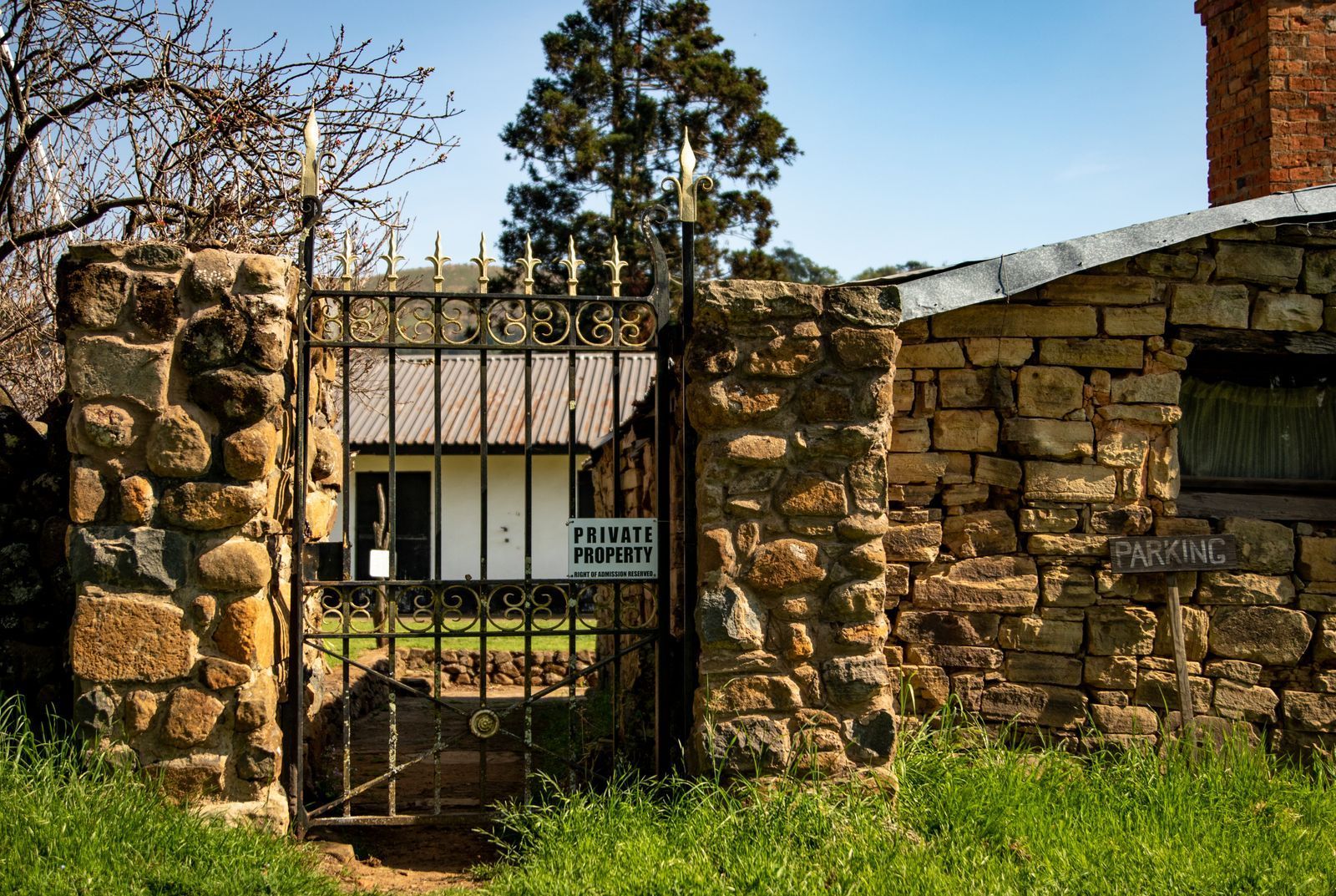
Powder coating is one of the strongest options for gates, railings, handrails, stair stringers, balcony systems, and architectural metal. These projects are visible, high-touch, and often exposed to weather. They need to look clean and hold up.
If you are coating a railing, stair system, or custom metal feature in Arizona, the finish has to do more than cover the metal. It needs to resist handling, dust, sun exposure, and day-to-day wear. This is where a properly blasted and powder coated finish can make a major difference.
For these projects, internal prep and repair matter too. If welds are rough, surfaces are uneven, or the metal has hidden rust, the coating will not magically fix it. That is why Apex’s Custom Fabrication service matters before coating begins.
Custom signs and commercial metalwork
Custom signs are a perfect example of why coating choice matters. A sign is public-facing. It represents a business, government building, school, development, or organization. If the finish fades, chalks, chips, or rusts, the whole project looks neglected.
For exterior signs in Arizona, powder type matters. A super durable polyester powder may be a better choice than a standard coating because outdoor signs need better color and gloss retention. Proper sandblasting also matters because flat sign panels and frames reveal surface defects quickly.
Trailers, frames, and large fabricated parts
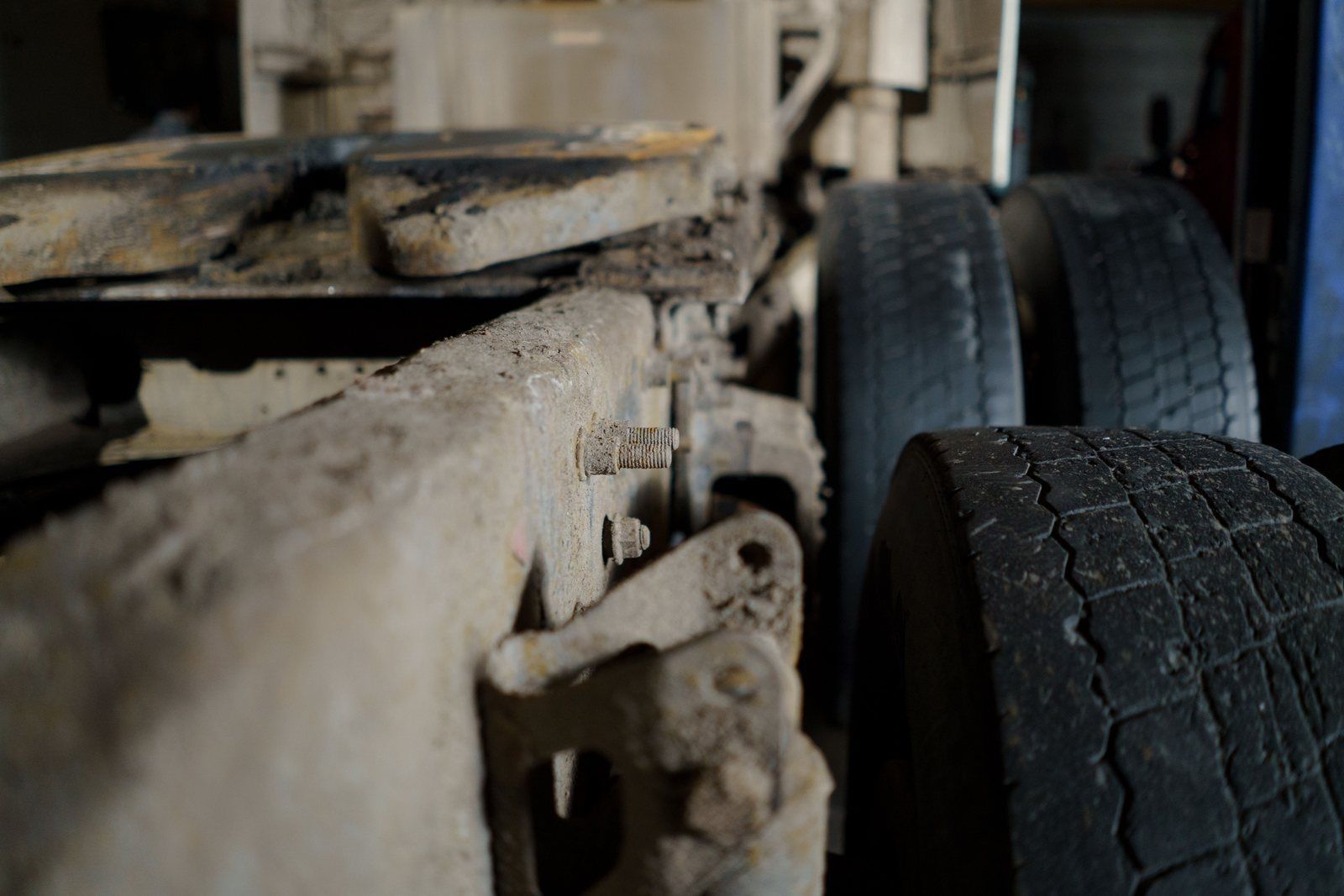
Trailers, vehicle frames, racks, flatbeds, and large steel assemblies are where capacity becomes important. A small shop may struggle with large parts, long sections, or awkward geometry.
Apex’s Large Item Coating service is built for bigger work. Their large curing oven allows larger pieces to be handled with better consistency, which matters when you are coating trailer frames, gates, structural pieces, or oversized fabricated components.
Outdoor furniture and decorative metal
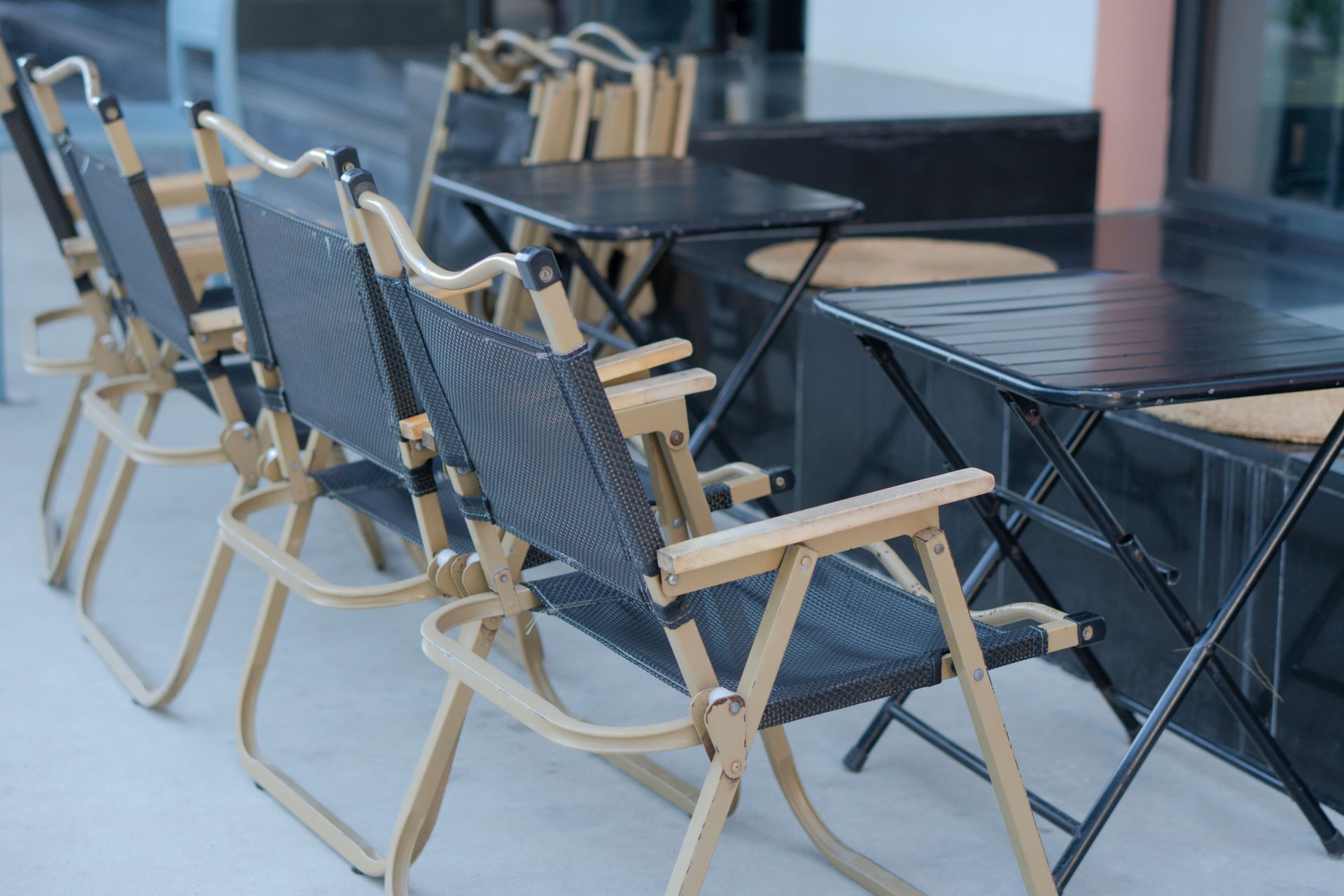
Outdoor tables, chairs, benches, art pieces, and decorative panels can benefit from powder coating because it gives you a strong combination of durability and appearance. You can choose from matte, satin, gloss, metallic, textured, and specialty finishes depending on the look you want.
In Arizona, lighter colors may show less heat visually, while darker finishes may look cleaner and more architectural. Texture can also help hide fingerprints, dust, and small scuffs.
Industrial and municipal projects
Industrial and municipal projects often need coatings that are practical first. Safety rails, bollards, brackets, equipment guards, frames, panels, and site components may need durability, visibility, corrosion resistance, and easy long-term maintenance.
For these projects, the coating conversation should include:
- prep requirements
- exposure conditions
- powder chemistry
- color visibility
- repair or fabrication needs
- part size and curing requirements
That is where working with a full-service shop can save time and avoid costly rework.

Top Use Cases for Cerakote-Style Ceramic Coatings
High-heat automotive parts
Cerakote-style ceramic coatings are often considered for exhaust parts, headers, engine components, turbo housings, and other parts exposed to high heat. Powder coating is not always the right fit when heat is the main issue.
Tight-tolerance parts
Because ceramic coatings are often applied as a thinner film, they may be useful on parts where coating buildup would create fitment problems. That can include performance components, mechanical parts, specialty hardware, and certain automotive or industrial pieces.
Specialty performance parts
If a part needs chemical resistance, abrasion resistance, corrosion resistance, and a thinner protective layer, a ceramic coating may be worth discussing. Again, the use case should drive the coating selection.
Illustrative Arizona Project Breakdown
Imagine an Arizona client building a desert-modern commercial entry feature. The project includes a large fabricated steel sign frame, a few smaller accent pieces, and mounting hardware. The main sign frame needs a durable, consistent finish because it will sit outside in full Arizona sun. The smaller specialty parts may have tighter fitment needs and more contact points.
In a project like this, not every piece should automatically get the same finish. The large steel frame is a strong powder coating candidate because it needs visual consistency, durability, and a clean architectural look. The smaller specialty parts may require a thinner coating discussion depending on how they are used.
This is why Apex’s process matters. A shop that can inspect the metal, handle custom fabrication, perform sandblasting, and apply powder coating can help you think through the project as a system. That is much better than choosing a finish only because the color looked good.
Why Media Blasting Matters No Matter What Coating You Choose
Whether you choose powder coating or another custom coating system, prep is critical. Sandblasting and media blasting remove rust, mill scale, old paint, contamination, oils, and debris. They also create a surface profile that helps the coating bond properly.
Poor prep can cause:
- early peeling
- weak adhesion
- uneven texture
- visible surface defects
- rust bleeding through the finish
- premature coating failure
This is why Apex’s Sandblasting service is such a key part of their finishing process. The coating may be what you see, but blasting is what helps it stay there.
How to Choose the Right Coating for Your Project
Start with the part itself. Is it large or small? Is it structural or decorative? Is it exposed to heat? Is it outdoors full time? Is the part handled often? Does coating thickness matter? Is the substrate steel, aluminum, stainless steel, composite, or another material?
Then think through the environment. Arizona projects often face:
- intense UV exposure
- heat
- dust
- wind
- monsoon moisture
- abrasion
- commercial use
- outdoor visibility
If the part is large fabricated metal, powder coating is often the best starting point. If the part is high-heat or tight-tolerance, a ceramic-style coating may be worth discussing. If the project includes damaged or modified metal, custom fabrication may need to happen before any coating is applied.
What to Look for in an Arizona Coating Shop
When you compare powder coating companies, media blasting shops, sand blasting companies near you, or custom coating services in Arizona, do not ask only about price.
Ask:
- What coating type do you recommend and why?
- Do you offer in-house sandblasting?
- Can you repair or modify the part before coating?
- What powder chemistry fits exterior Arizona exposure?
- Can you handle large parts?
- Do you have a gallery of completed work?
- How do you inspect the finish before pickup?
Final Thoughts
There is no single best coating for every Arizona project. Powder coating, super durable polyester powders, fluoropolymer systems, epoxy powders, hybrid powders, and Cerakote-style ceramic coatings all have a place. The right choice depends on the part, the environment, the performance need, and the desired look.
If you are searching for powder coating Arizona, custom coatings Arizona, Cerakote services Arizona, media blasting Arizona, or sand blasting companies near me, make sure the shop is helping you choose a full finish system, not just a color.
For large fabricated metal, outdoor signs, gates, railings, frames, trailers, architectural metal, and custom metalwork, Apex Powder Coating is built to help with prep, repair, blasting, coating, and large-item finishing. Start with the service pages, review the gallery, and then reach out through Contact Us for a free quote.