Can You Powder Coat Aluminum | What Materials Can Be Powder Coated?

Admin • July 17, 2026

Share this article

TL;DR


  • Can you powder coat aluminum? Yes. Aluminum can be powder coated, but it needs the right cleaning, prep, masking, powder selection, and curing process.
  • Is powder coating aluminum better than painting it? Often, yes. Powder coating can give aluminum wheels, patio furniture, trim, signs, brackets, railings, and off-road parts a durable, clean, professional finish. Paint may still make sense for touch-ups, field repairs, or parts that cannot be oven cured.
  • Does aluminum need to be sandblasted before powder coating? Sometimes, but it should not always be blasted aggressively. Aluminum is softer than steel, so the shop may use gentler media, controlled pressure, cleaning, or pretreatment depending on the part.
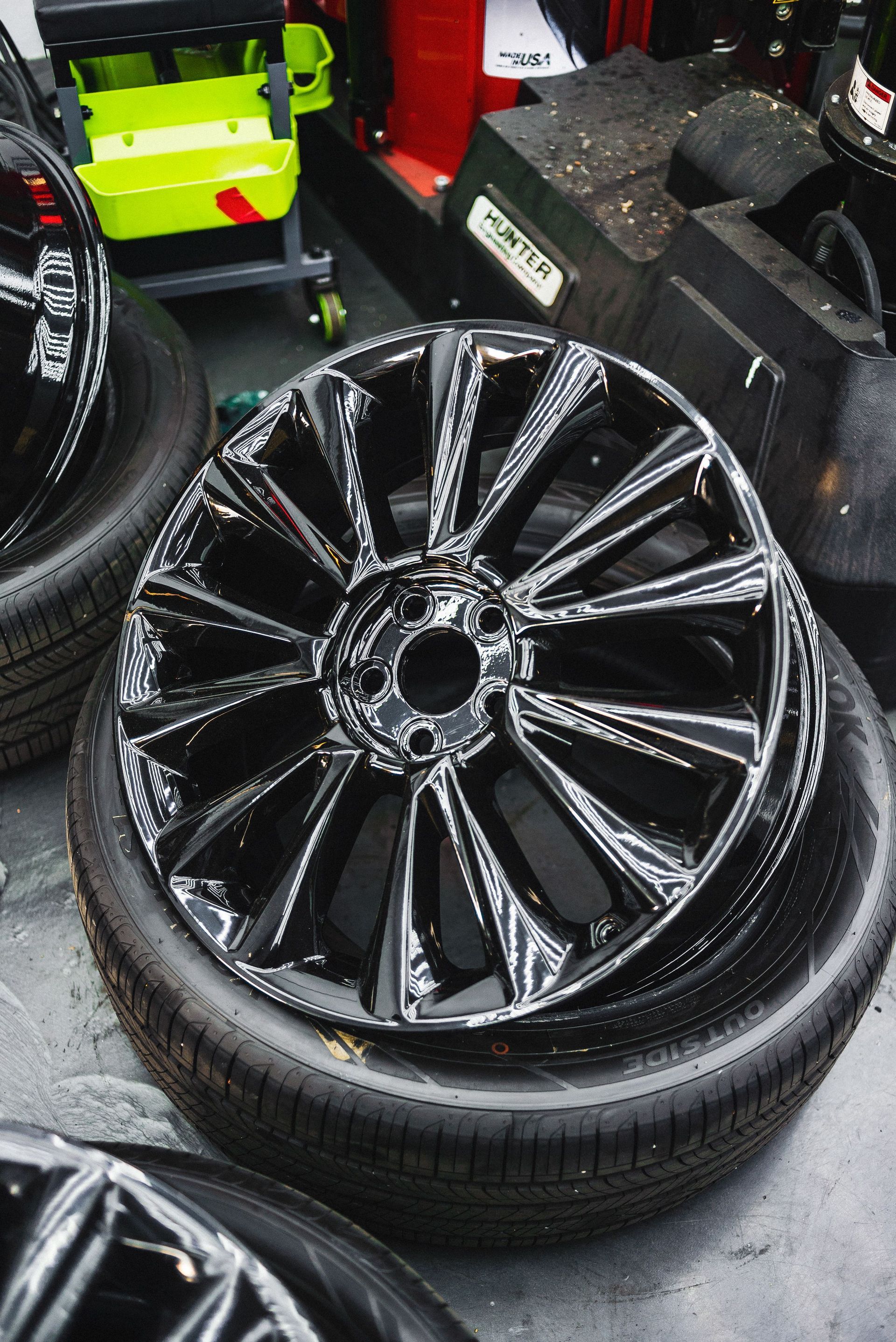
  • Can aluminum wheels be powder coated? Yes. Aluminum wheels are commonly powder coated, but they should be inspected for cracks, curb damage, corrosion, old coatings, and areas that need masking, such as lug seats and hub surfaces.
  • What materials can be powder coated? Steel, aluminum, stainless steel, galvanized steel, cast iron, cast aluminum, brass, copper, and some specialty alloys can often be powder coated with proper prep.
  • What materials should not be powder coated? Standard powder coating is usually not right for rubber, plastic, wiring, electronics, seals, bearings, adhesives, or heat-sensitive assemblies unless those parts are removed or protected first.
  • Can rusted metal be powder coated? Not directly. Rust, old paint, oxidation, oil, and contamination should be removed before coating. Severely damaged metal may need repair first.
  • Can chrome be powder coated? Usually not directly. Chrome needs professional evaluation and may need stripping, special prep, or another finish plan.
  • Why does Arizona matter? Heat, UV exposure, dust, road debris, and monsoon moisture can expose poor prep quickly. If your part will live outdoors, the prep and powder choice matter.


Helpful Apex links before you start: learn more about Powder Coating, Sandblasting, Custom Fabrication, or request a quote through Contact Us.


If you are asking can you powder coat aluminum, the answer is yes, but the better question is whether your aluminum part can be cleaned, prepped, masked, cured, and finished correctly for how you plan to use it.


Aluminum wheels, patio furniture, railings, signs, brackets, trim, off-road parts, motorcycle components, and fabricated aluminum pieces can all be good powder coating candidates. The key is understanding that aluminum is not the same as steel. It reacts differently during prep, it can be easier to damage with aggressive media, and it needs the right process if you want the finish to last in Arizona.


Why Aluminum Can Be Powder Coated


Aluminum is a strong candidate for powder coating because it is lightweight, corrosion-resistant, and used in many residential, automotive, commercial, and architectural projects. Powder coating gives aluminum a finished surface that can improve appearance, durability, and cleanability.


You might powder coat aluminum when you want:

  • a custom color
  • a cleaner professional appearance
  • better resistance to wear than basic paint
  • a refreshed finish on old patio furniture
  • a new look for aluminum wheels
  • a uniform finish on brackets, signs, or trim
  • a protective finish for outdoor Arizona use


The biggest mistake is assuming aluminum should be treated exactly like steel. Steel often needs aggressive rust removal and a stronger blast profile. Aluminum often needs a more controlled process because the surface is softer and can be over-profiled or damaged if the wrong media is used.


Why Cure Matters


The Powder Coating Institute explains proper cure in simple terms:


“There are two conditions that must be met to achieve proper cure of a powder coating. The first is temperature, referred to as metal temperature, and the second is time.”

That matters for aluminum, steel, stainless, and every other powder-coated material. The part itself has to reach the correct metal temperature for the correct amount of time. If the coating is under-cured, it may look finished but fail faster. If it is over-baked, the color, texture, or gloss can suffer. Good powder coating is not just spraying powder. It is controlling the full process.


What Materials Can Be Powder Coated?

Steel


Steel is one of the most common powder-coated materials. It is a strong fit for gates, railings, trailers, racks, brackets, frames, industrial parts, outdoor furniture, and fabricated assemblies.


Steel often needs more aggressive surface preparation than aluminum. If the part has rust, mill scale, old paint, weld slag, or surface contamination, it usually needs sandblasting or media blasting before coating. Powder coating over dirty or rusty steel is not a long-term solution.


Aluminum


Aluminum can be powder coated successfully, but prep matters. Common aluminum powder coating projects include wheels, patio furniture, architectural trim, signs, brackets, gates, railings, engine covers, and off-road accessories.


Aluminum naturally forms an oxide layer. That does not mean aluminum cannot be coated. It means the shop needs to clean and prepare the surface correctly before applying powder. For some parts, glass bead or controlled media blasting may be appropriate. For others, cleaning and pretreatment may be the better path.


Stainless Steel


Stainless steel can be powder coated when the surface is properly prepared. Since stainless steel is naturally corrosion-resistant, powder coating is often chosen for appearance, color, texture, or added surface protection rather than basic rust prevention.


Stainless parts may need careful cleaning, light profiling, and masking before coating. Smooth stainless surfaces can create adhesion challenges if prep is rushed.


Galvanized Steel


Galvanized steel can be powder coated, but it needs proper evaluation. Galvanized surfaces can create adhesion or outgassing issues if they are not prepped correctly. When done right, powder coating over galvanized steel can combine corrosion protection with custom color.


This can be useful for fencing, utility components, outdoor steel, and commercial metalwork, but the part should be evaluated by a professional before moving forward.


Cast Iron and Cast Aluminum


Cast parts can be powder coated, but they often need extra attention. Cast iron and cast aluminum may have pores that hold oil, contamination, or trapped gases. During curing, those trapped materials can escape and create bubbles, pinholes, or surface defects.


That does not mean cast parts cannot be coated. It means the shop may need to clean, pre-bake, blast, or inspect more carefully before applying the finish.


Brass and Copper


Brass and copper can sometimes be powder coated, especially when the goal is a clear protective finish or a specific decorative look. These metals are often chosen for appearance, so the finish plan should match the design goal.


Powder coating may not be the right answer for every brass or copper project, but it can be useful when protection, color, or reduced maintenance is the priority.


Material Can It Be Powder Coated? Typical Prep Needs Best Uses Special Notes
Steel Yes Sandblasting, rust removal, degreasing Gates, trailers, frames, railings, racks Strong candidate for durable outdoor finishes
Aluminum Yes Cleaning, oxide control, careful media prep Wheels, patio furniture, signs, brackets Avoid overly aggressive blasting on delicate parts
Stainless Steel Yes Cleaning, light profiling, masking Decorative parts, hardware, colored stainless Often coated for appearance or added protection
Galvanized Steel Yes, with proper prep Degassing, cleaning, special prep Outdoor steel, fencing, utility parts Needs evaluation to avoid adhesion or outgassing issues
Cast Iron Yes Cleaning, blasting, possible pre-bake Restoration parts, machinery parts Porosity may cause outgassing
Cast Aluminum Yes Cleaning, careful prep, possible pre-bake Wheels, covers, decorative parts Porosity and old contamination may matter
Brass and Copper Sometimes Careful cleaning and finish planning Decorative parts, clear finishes Usually appearance-driven
Rubber, Plastic, Electronics Usually no Remove before coating Not suitable for standard cure systems Heat-sensitive and not ideal for standard powder coating

What Materials Should Not Be Powder Coated?


Powder coating usually requires heat. That means some materials should not go through a standard powder coating process.


Be careful with parts that include:

  • rubber seals
  • plastic inserts
  • wiring
  • electronics
  • bearings
  • bushings
  • adhesives
  • gaskets
  • heat-sensitive coatings
  • assembled components with hidden materials


These parts may need to be disassembled before coating. If you bring in a wheel, frame, bracket, or assembly, tell the shop what is still attached. A good shop will explain what should be removed, what can be masked, and what should not go into the oven.


How Aluminum Is Prepared for Powder Coating


Inspection


Aluminum should be inspected for cracks, corrosion, curb damage, old coating, dents, and previous repairs. For wheels, hub surfaces, lug seats, valve areas, and mating surfaces may need masking.


Cleaning


Cleaning removes oils, dirt, brake dust, polishing compound, road grime, and shop contamination. This step matters because powder coating needs a clean surface to bond correctly.


Media Selection


Aluminum may be blasted, but the media and pressure need to be chosen carefully. Glass bead can be useful for certain aluminum parts because it cleans without cutting as aggressively. Aluminum oxide may be used in some situations, but it can be too aggressive for delicate aluminum.


Masking


Masking protects areas that should not receive coating. On aluminum wheels, that can include lug seats, hub surfaces, valve stem holes, and mounting areas. On brackets or machined parts, threads and mating surfaces may also need protection.


Coating and Curing


Once the part is cleaned, prepped, masked, and ready, powder is applied and cured. The part must tolerate the cure cycle. The powder also needs to be appropriate for the use case, especially if the part will live outdoors in Arizona.


Apex-Style Example: Aluminum Wheels for an Arizona Off-Road Build


Picture an Arizona off-road owner bringing in a set of aluminum wheels. They are not destroyed, but they are tired. The clear coat is fading. Brake dust has stained the corners. There are chips around the edges and light corrosion near the bead area. The customer wants a satin black or bronze finish that looks cleaner and holds up better on dirt roads.


This is not treated like a heavy steel trailer frame. The wheels need a careful inspection first. Cracks, curb damage, old coatings, corrosion, lug seats, hub surfaces, and valve areas all matter. The wrong prep could damage the aluminum or create fitment issues.


An Apex-style process would start with inspection, cleaning, and controlled prep. The right media would be chosen for the aluminum. Critical areas would be masked. Then the wheels would be coated, cured, cooled, and inspected before pickup.


The takeaway is simple: aluminum can absolutely be powder coated, but the process has to respect the material.


Powder Coating Aluminum vs Painting Aluminum


Powder coating is often a better choice when the aluminum part can be removed, prepped, and cured properly. It gives you a durable, uniform finish with many color and texture options.


Paint may still make sense when:

  • the part cannot be removed
  • the part cannot tolerate oven curing
  • you need field touch-ups
  • you want easier future spot repairs
  • the project is too delicate for standard coating


For wheels, patio furniture, trim, brackets, off-road parts, and many fabricated aluminum pieces, powder coating is usually worth considering.


Why Arizona Conditions Matter


Arizona is hard on finishes. UV exposure can fade weak coatings. Dust and road grime can wear on surfaces. Monsoon moisture can find chips, edges, and seams. Heat can stress poorly prepped parts.


That is why the right prep and powder selection matter. A coating that looks good indoors may not be the right coating for an aluminum railing, wheel, sign frame, patio set, or off-road part that sits outside in Arizona.


Common Questions About Powder Coating Aluminum


Can aluminum patio furniture be powder coated?


Yes. Aluminum patio furniture is a strong candidate if it can be cleaned, prepped, coated, and cured properly.


Can aluminum wheels be powder coated?


Yes. Wheels need careful inspection, cleaning, masking, prep, coating, curing, and final inspection.


Can you powder coat over old paint?


Usually not for the best result. Old paint, clear coat, or failing finish should typically be removed before powder coating.


Can powder coating hide pitting or damage?


No. Powder coating can improve appearance, but it will not erase deep pitting, cracks, dents, or poor repairs.


Can cast aluminum be powder coated?


Yes, but cast aluminum may need extra prep because porosity and trapped contamination can affect the final finish.


Final Thoughts


Aluminum can be powder coated, and so can many other metals. Steel, stainless steel, galvanized steel, cast iron, cast aluminum, brass, copper, and specialty alloys may all be good candidates when the part is properly prepared.


The real question is not only what material you have. The better question is whether the part can be inspected, cleaned, prepped, masked, cured, and finished correctly for the way you plan to use it.


For aluminum wheels, patio furniture, signs, railings, brackets, steel frames, gates, trailers, and Arizona outdoor metal projects, contact Apex Powder Coating for a free quote and clear guidance on the right prep, media blasting, powder selection, and finish.

Recent Posts

Aerial view of a sprawling industrial plant with pipes, towers, and steam under a cloudy sky
By Admin July 14, 2026
Learn what goes into industrial powder coating in Arizona, including sandblasting, surface prep, curing, inspection, and large-item finishing.
Abstract dark metallic swirl with glossy black, silver, and pink highlights on a black background
By Admin July 11, 2026
Compare types of metal finishes, including powder coating, paint, galvanizing, anodizing, plating, and more for Arizona metal projects.
Worker welding metal on a scaffold indoors, with bright sparks flying in a dim workshop.
By Admin July 10, 2026
Learn what to know when searching metal fabrication near me in Arizona, including repair, sandblasting, powder coating, and finishing options.
Worker in blue rain gear and orange helmet sprays water at a smoky street scene behind caution tape.
By Admin June 28, 2026
Learn how to remove powder coat from metal, when chemical stripping works, and why media blasting is often the better choice for Arizona projects.
Close-up of metal roofing panels with rusted brackets and fasteners
By Admin June 28, 2026
Learn how media blasting works, compare aluminum oxide, glass bead, and steel grit, and choose the right abrasive for your Arizona metal project.
Close-up of a blue and purple textured mesh pattern with diagonal ridges and highlights
By Admin June 24, 2026
Learn when sandblasting is needed in Arizona, what materials need gentler prep, and how media blasting improves powder coating results.
Hands holding two small piles of bright yellow powder against a blue background
By Admin June 16, 2026
Learn how to powder coat at home, why DIY often fails in Arizona, and when professional powder coating, sandblasting, and prep are worth it.
Blue powder cloud exploding against a black background
By Admin June 10, 2026
Compare custom coatings, powder coating, and Cerakote-style finishes for Arizona projects, including use cases, durability, prep, and coating selection tips.
Mojave County Holbrook Complex sign with sunburst pillars, set in a desert landscape under a blue sky
By Admin June 9, 2026
Find out why powder coating Tucson projects need the right powder type, proper sandblasting, and expert prep for durable custom signs and metalwork.
Gloved hand spray-painting a car part in a paint booth
By Admin June 1, 2026
Learn how the right powder coating type affects durability, UV resistance, and finish quality for Arizona metal projects, including Mesa railings.
Show More