Types of Powder Coating why it Matters for your Project | Arizona Project Break Down
TL;DR
- If you are searching powder coating Mesa AZ, you are not just choosing a color. You are choosing a powder chemistry, and that chemistry affects UV performance, corrosion resistance, gloss retention, and long-term durability.
- Epoxy powders are extremely tough and corrosion-resistant, but they do not weather well outdoors and can fade or chalk in the sun.
- Standard polyester powders are the most common general-purpose option and work well for many interior and some exterior applications.
- Super durable polyester is often the smarter choice for outdoor Arizona metalwork because it offers better color retention, gloss retention, humidity resistance, and corrosion resistance than standard polyester.
- Hybrids are good-looking and economical, but they are usually better suited to indoor products than full-time exterior exposure.
- Fluoropolymers are premium architectural powders used when exceptional weathering and color retention matter most.
- The right powder still needs the right prep. Apex says blasting creates the anchor profile that most strongly affects adhesion and coating longevity.
- Apex is built around Powder Coating, Sandblasting, Custom Fabrication, and Large Item Coating, with a 10' × 10' × 30' oven and 6,500+ finish options.
If you are looking up powder coating Mesa AZ, one of the most important details to understand is that not all powder coatings are the same. Two parts can be coated in the same black, look almost identical on day one, and perform very differently a year later. That is because the type of powder matters just as much as the color. In Arizona, where sun, heat, dust, and outdoor exposure are real factors, chemistry is not a technical footnote. It is part of whether the finish actually fits the job. Apex Powder Coating’s own service model is built around that full-process mindset through Powder Coating, Sandblasting, Custom Fabrication, and Large Item Coating.
Apex describes itself as a full-service, family-owned powder coating, sandblasting, and fabrication shop based in Show Low, with one of Arizona’s largest curing ovens and access to more than 6,500 colors and finishes as a Qualified Prismatic Powders Applicator. That matters because a shop that understands prep, repair, geometry, and chemistry is in a better position to recommend the right finish system, not just spray whatever color is easiest to order.
Why powder type matters more than most people think
Powder coating is a category, not a single product. IFS Coatings, a major powder manufacturer, breaks it out by chemistry because different resin systems are built for different jobs. Their guidance is clear:
epoxies, polyesters, super durable polyesters, hybrids, fluoropolymers, and urethanes each have different strengths and weaknesses. In other words, “powder coated” does not automatically tell you whether the finish is ideal for outdoor railing, indoor furniture, industrial hardware, or architectural aluminum.
That is especially important in Arizona. A railing, gate, frame, or fabricated decorative piece may face strong UV, frequent touch, blowing dust, and occasional moisture. A chemistry that performs well indoors may disappoint outdoors. A chemistry that excels on an architectural façade may be overkill for a small sheltered part. Matching the powder to the real use case is where good advice starts.
A useful expert takeaway from IFS is this: epoxies “do not weather well,” while super durable polyesters are designed to hold color and gloss longer and are popular for outdoor uses. That distinction is exactly why chemistry matters before color.
The main types of powder coating and where they fit
Epoxy powder coatings
Epoxy powders are extremely durable. IFS says they offer excellent hardness and arguably the best chemical and corrosion resistance of all available powders, and they also adhere very well to metal. That makes them valuable in the right environment. The problem is exterior weathering. IFS also says epoxy powders can fade and chalk in sun exposure and are therefore better suited to indoor applications or primer use under another coating. If your project is outside in Arizona, epoxy alone is usually the wrong hero coat.
Standard polyester powder coatings
Polyester is the workhorse chemistry for a reason. IFS calls polyester the most commonly used powder and says it offers good mechanical resistance, flexibility, impact resistance, and solid all-around value. Standard polyester also gives you broad color and effect options, which matters when aesthetics are part of the job. For many interior projects and some exterior projects, it is a very practical choice. But IFS also notes that standard polyester’s main disadvantage is limited exterior durability compared with more advanced outdoor-focused systems.
Super durable polyester powder coatings
For many Arizona exterior applications, this is where the conversation gets serious. IFS says super durable polyester offers superior durability compared with standard polyester and is designed to hold color and gloss within set limits for five to ten years longer, while also improving humidity and corrosion resistance. That is exactly the kind of chemistry upgrade that matters on exposed railings, gates, architectural pieces, and other outdoor metal where appearance over time is part of the value.
Hybrid powder coatings
Hybrids blend epoxy and polyester. IFS says they can create smooth, attractive films and are often economical, but they do not really add meaningful outdoor weatherability. They are commonly used on indoor appliances, shelving, furniture, and similar items. So if the part is an outdoor railing in Mesa, a hybrid may look fine at first but still be the wrong long-term recommendation.
Fluoropolymer and urethane systems
At the premium end, fluoropolymers are the standout architectural option. IFS says they are widely used in architectural markets because of exceptional weathering, corrosion resistance, and color and gloss retention. Urethanes also have strong use cases, especially where a very smooth finish and strong exterior durability matter. But these are more specialized choices, and not every project needs them. The right answer depends on budget, exposure, substrate, and performance goals.

Arizona project breakdown: why powder type matters on a Mesa railing
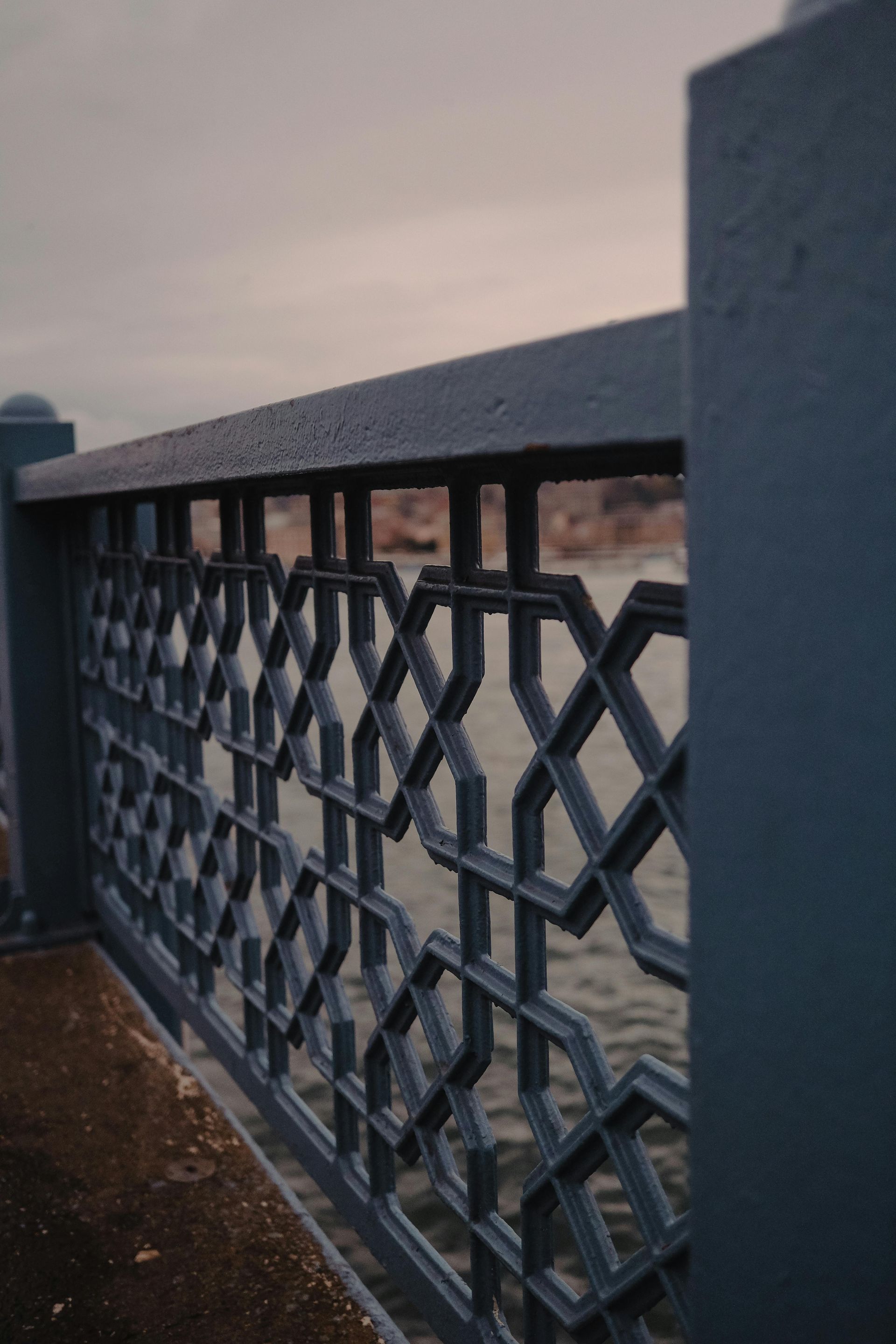
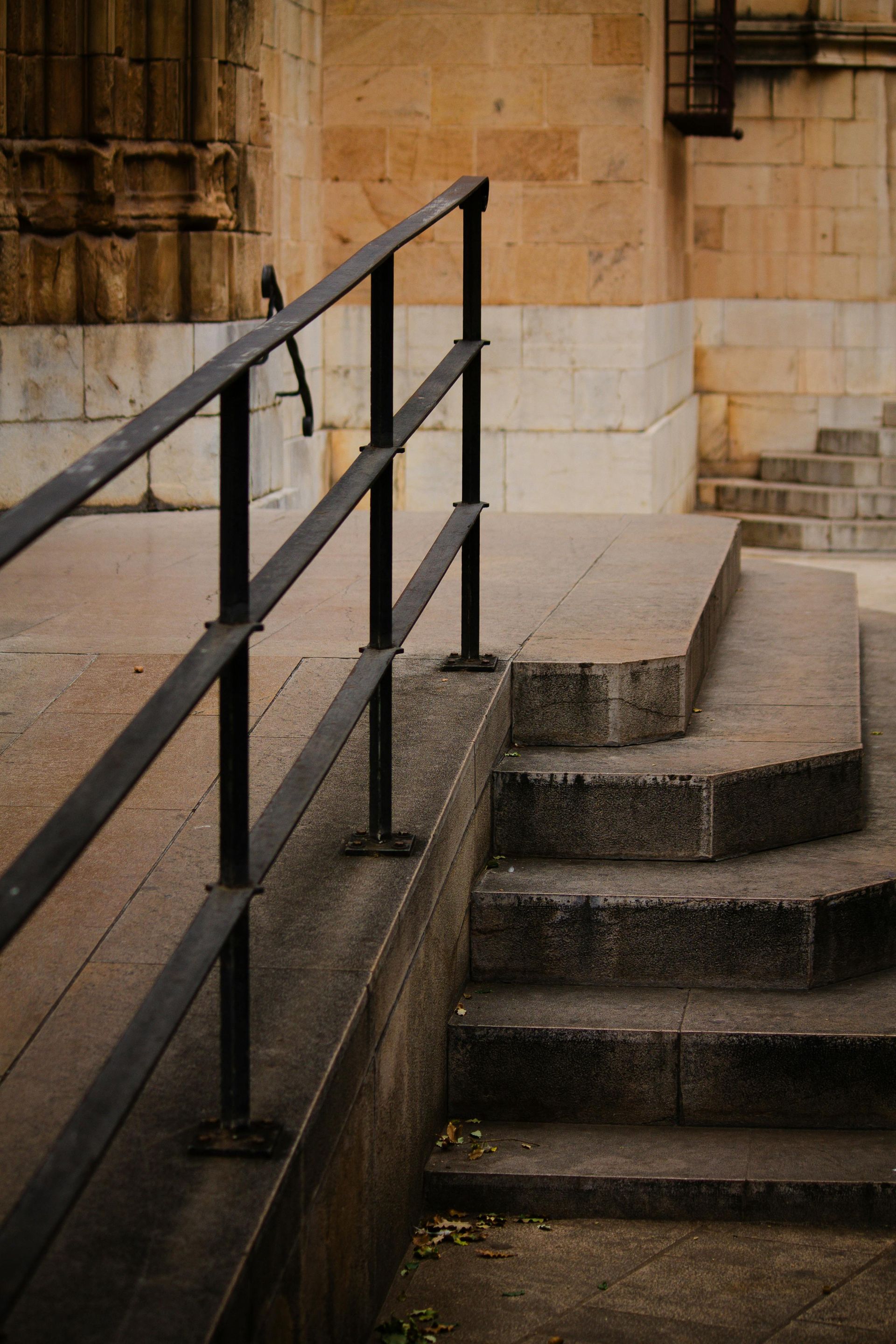
A Mesa railing project. Picture a fabricator building a custom steel railing for a high-end residential entry or a boutique commercial space. The railing needs to look clean, feel solid, and hold up under hand contact and outdoor exposure. At first glance, the decision may look simple: pick a black and coat it. But that is exactly where a good shop adds value.
If you only focus on color, you could easily choose a chemistry that is not built for the environment. A hybrid or epoxy-based system might deliver a nice-looking black initially, but if the railing is exposed to Arizona sun, that chemistry choice can become a problem. A better recommendation for an exterior railing is often a super durable polyester, because it is designed to hold color and gloss longer and perform better outdoors than standard polyester.
That is the kind of advice a shop like Apex is set up to give because it does not treat powder coating as an isolated step. Its Custom Fabrication page explicitly says the team can repair, build, and modify metalwork, then blast and coat it in the same visit. That one-roof process matters on railing work because weld cleanup, fit, and visible transitions all affect how the finish reads once it is installed.
Prep still matters just as much as chemistry
Even the right powder type will underperform if the prep is wrong. Apex is unusually direct about this on its Sandblasting and Powder Coating pages. The company says blasting creates a microscopic anchor profile that dramatically improves adhesion, and it calls proper prep the single most important factor in coating longevity. That is not marketing fluff. That is process reality.
Apex also explains that different media create different surface profiles. Aluminum oxide leaves an aggressive anchor profile ideal for adhesion, glass bead produces a smoother satin finish for decorative parts, and steel grit is suited for heavy industrial work and harsh environments. That is useful because it shows why prep is not just “cleaning the part.” The blasting choice can change how the powder bonds and how the final finish behaves.
For a custom Mesa railing, that means the correct recommendation is not just “use super durable polyester.” It is “make sure the steel is fabricated correctly, blasted correctly, coated with the right chemistry, and cured correctly.” All of those pieces are part of the result.

What you should ask before approving a powder coating job
Before you sign off on a finish, ask what chemistry is being used and why. Ask whether the part is indoor or outdoor, whether UV exposure changes the recommendation, whether the part needs blasting to bare metal, and whether any repair or welding should happen first. If a shop cannot explain why one powder type is better than another for your use case, that is a red flag.
You should also ask about process. Apex publishes a clear sequence: inspection, cleaning and prep, powder application, curing, quality inspection, and pickup or delivery. That level of process clarity is what you want, because it means the shop is thinking through adhesion, geometry, cure time, and finish consistency rather than treating everything like the same simple spray job.
Final thoughts
The type of powder coating is not a minor technical detail. It is one of the biggest factors in whether your project still looks right after real use. On a Mesa railing, the wrong chemistry can still look great on day one and disappoint you later. The right chemistry, paired with the right blasting profile and the right prep, gives you a much better shot at long-term performance.
If your project involves railings, gates, frames, decorative metal, or other fabricated steel, start with a shop that understands the full system. Apex is built around Powder Coating, Sandblasting, Custom Fabrication, and Large Item Coating, with published Service Areas across Northern Arizona from Show Low to Flagstaff. When you are ready to talk through chemistry, prep, and finish options for your own part, go straight to Contact Us and request a free quote.