Metal Fabrication near me | What you Need to Know in Arizona
TL;DR
- If you are searching Metal Fabrication near me, you are probably looking for more than a welder. You need a shop that can inspect, repair, prep, and finish the metal correctly.
- Metal fabrication is the process of cutting, welding, repairing, modifying, and building metal parts. Welding is one part of fabrication, not the whole process.
- Damaged metal can often be repaired before powder coating, but cracked welds, rust-through, bent brackets, and broken tabs should not be coated over without inspection.
- Sandblasting is often needed before powder coating because it removes rust, old paint, mill scale, weld slag, and contamination.
- Powder coating after fabrication gives gates, railings, trailers, brackets, frames, signs, and outdoor metal a durable finished surface.
- In Arizona, fabrication quality matters because heat, dust, sun, wind, and monsoon moisture are hard on exposed metal.
- Apex Powder Coating offers custom fabrication, sandblasting, powder coating under one roof.
- A one-shop workflow can help reduce delays, avoid handoff problems, and make sure the repair is built with the final coating in mind.
If you are searching Metal Fabrication near me in Arizona, you are likely trying to solve a practical problem. Maybe your trailer bracket cracked. Maybe a gate is sagging. Maybe a railing needs repair before refinishing. Maybe you need custom tabs, a new frame, a rack modification, or a fabricated metal part that can be sandblasted and powder coated for long-term use.
The mistake many people make is treating fabrication and finishing as separate jobs. The weld matters. The surface prep matters. The finish matters. If the metal is repaired poorly, if rust is ignored, or if sharp edges and rough welds are left behind, even a strong powder coat can have weak points later. For Arizona projects, that matters even more because outdoor metal has to deal with sun, heat, dust, vibration, abrasion, and seasonal moisture.
What Does Metal Fabrication Actually Mean?
Metal fabrication is the process of turning raw, damaged, or unfinished metal into something usable. That can include cutting, welding, grinding, drilling, forming, modifying, reinforcing, and repairing metal.
Welding joins metal together. Fabrication is the bigger process. A fabricator may repair a cracked weld, build a custom bracket, reinforce a trailer frame, modify a gate, replace damaged tabs, smooth rough edges, and prepare the piece for sandblasting and powder coating.
Common fabrication projects include:
- trailer repairs and modifications
- gate and fence fabrication
- railing repair
- custom brackets and hardware
- rack modifications
- sign frames
- architectural metalwork
- ranch equipment repair
- off-road and automotive parts
- industrial frames and guards
- outdoor furniture repair
A good fabrication shop should not only ask, “Can we weld it?” They should ask, “How will this part be used, how should it be repaired, and what finish does it need afterward?”
Why Prep Matters
Apex puts the finishing side of fabrication in plain language:
“Proper prep is the single most important factor in coating adhesion and longevity.”
That is the right way to think about metal fabrication in Arizona. A great finish starts before the powder is sprayed. It starts with the condition of the metal, the quality of the welds, the edges, the blast profile, and the cleanliness of the surface.
Why Fabrication Quality Matters in Arizona
Arizona is not gentle on metal. Sun exposure can fade weak finishes. Dust and wind can wear on exposed parts. Heat cycles can stress metal. Monsoon moisture can find seams, chips, cracks, and rust pockets.
That is why fabrication should be done with the final use in mind. A trailer frame that hauls equipment needs different thinking than a decorative railing. A ranch gate needs different reinforcement than a sign frame. A custom bracket on an off-road vehicle needs to handle vibration, dirt, and impact.
When a part will live outside, fabrication choices matter:
- rough welds can collect debris
- sharp edges can create thin coating spots
- hidden rust can keep spreading
- cracked welds can fail under fresh coating
- poor fitment can create stress points
- bad geometry can make blasting and coating harder
Powder coating is durable, but it is not magic. It performs best when the metal underneath is sound.
What Should Be Repaired Before Powder Coating?
Before you powder coat a metal part, you should inspect it for damage. If a problem is structural, coating over it only hides it.
Common repair issues include:
Cracked welds
Cracked welds should be repaired before blasting and coating. If the weld is still weak, the finish may look good but the part can fail during use.
Rust-through
Surface rust can often be removed through sandblasting. Rust-through, holes, and deeply weakened areas may need patching, replacement, or reinforcement through custom fabrication.
Bent brackets or tabs
Bent metal can create fitment issues. Tabs, mounts, hinge plates, tie-down points, and rack supports should be corrected before coating.
Sharp burrs and rough welds
Sharp edges and rough weld transitions can make it harder for a finish to cover evenly. A better fabrication process smooths and prepares the part with the coating in mind.

The Trailer That Needed More Than a Finish
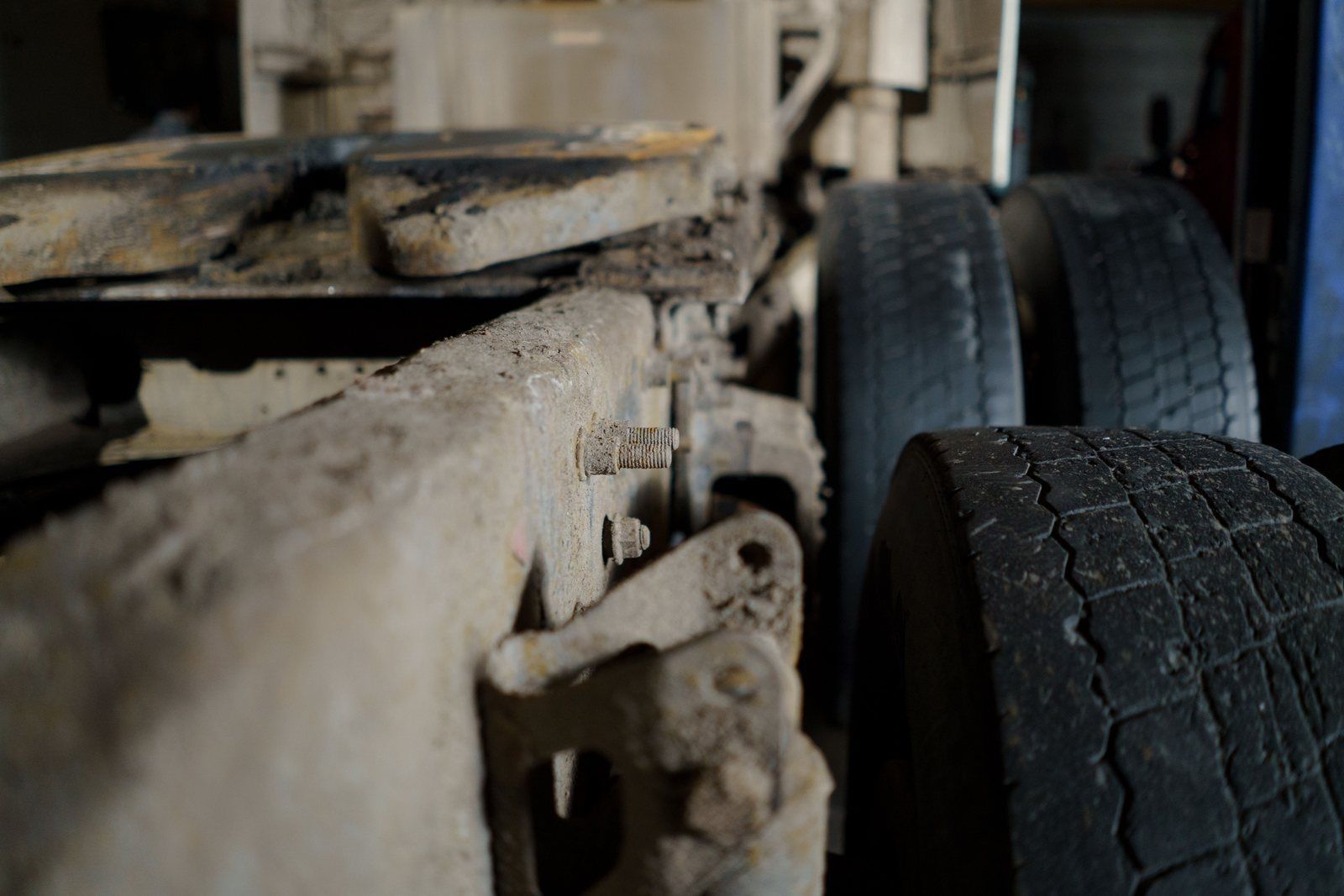
An Arizona contractor brought in a utility trailer that looks rough but usable. The old coating is peeling. The tongue has rust. A ramp bracket has a cracked weld. Several tie-down tabs are bent. The customer initially thinks the job is simple: blast it and coat it black.
A closer inspection tells a different story.
If the trailer were simply coated, the cracked bracket would still be cracked. The bent tabs would still be bent. The rust near the frame would still need proper removal and inspection. The finish would improve the appearance, but the trailer would not be fully restored.
The project starts with inspection. The damaged bracket gets repaired. Weak tabs are corrected or replaced. Rough transitions are cleaned up. Then the trailer frame can be blasted to remove old coating, rust, scale, and contamination. Once the metal is clean, it can be powder coated in a durable finish and cured properly.
The takeaway is simple: the best result came from treating fabrication, blasting, and coating as one connected project.
Why Sandblasting Usually Comes After Fabrication
Once repairs are complete, the part often needs to be blasted. Sandblasting removes rust, old paint, mill scale, weld slag, and surface contamination. It also creates the anchor profile that helps powder coating bond to the metal.
This order matters:
- Inspect the part.
- Repair or fabricate what is needed.
- Sandblast or media blast the surface.
- Clean the part.
- Apply powder coating.
- Cure the finish.
- Inspect the completed project.
If you blast before all repairs are complete, new welding and grinding can reintroduce contamination. If you coat before repair, the underlying damage is still there. The cleanest process is to repair first, blast second, and coat third.
Why Powder Coating Is a Strong Finish After Fabrication
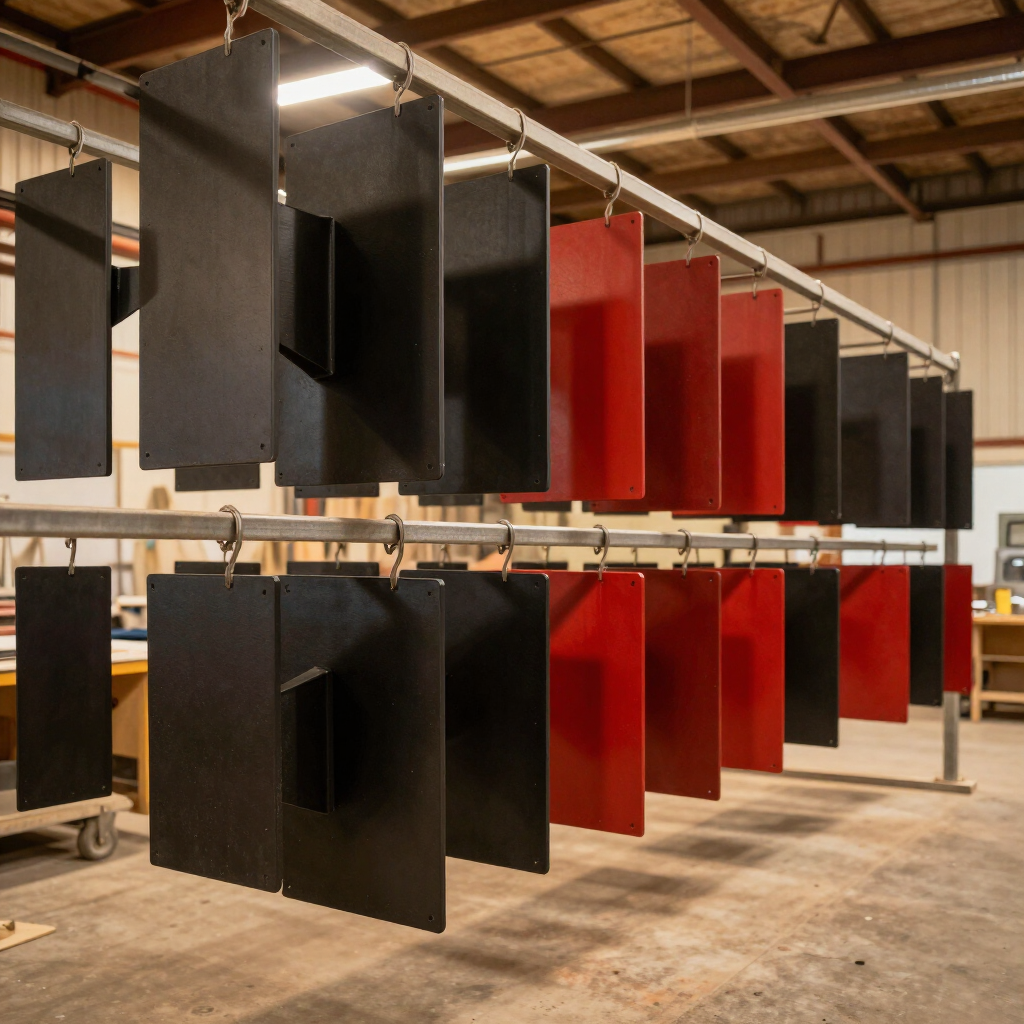
After fabrication and blasting, powder coating gives the part a durable, clean, finished surface. It is a strong fit for metal projects that need to look good and hold up to use.
Powder coating is commonly used for:
- gates and fencing
- railings and handrails
- trailer frames
- racks and brackets
- off-road parts
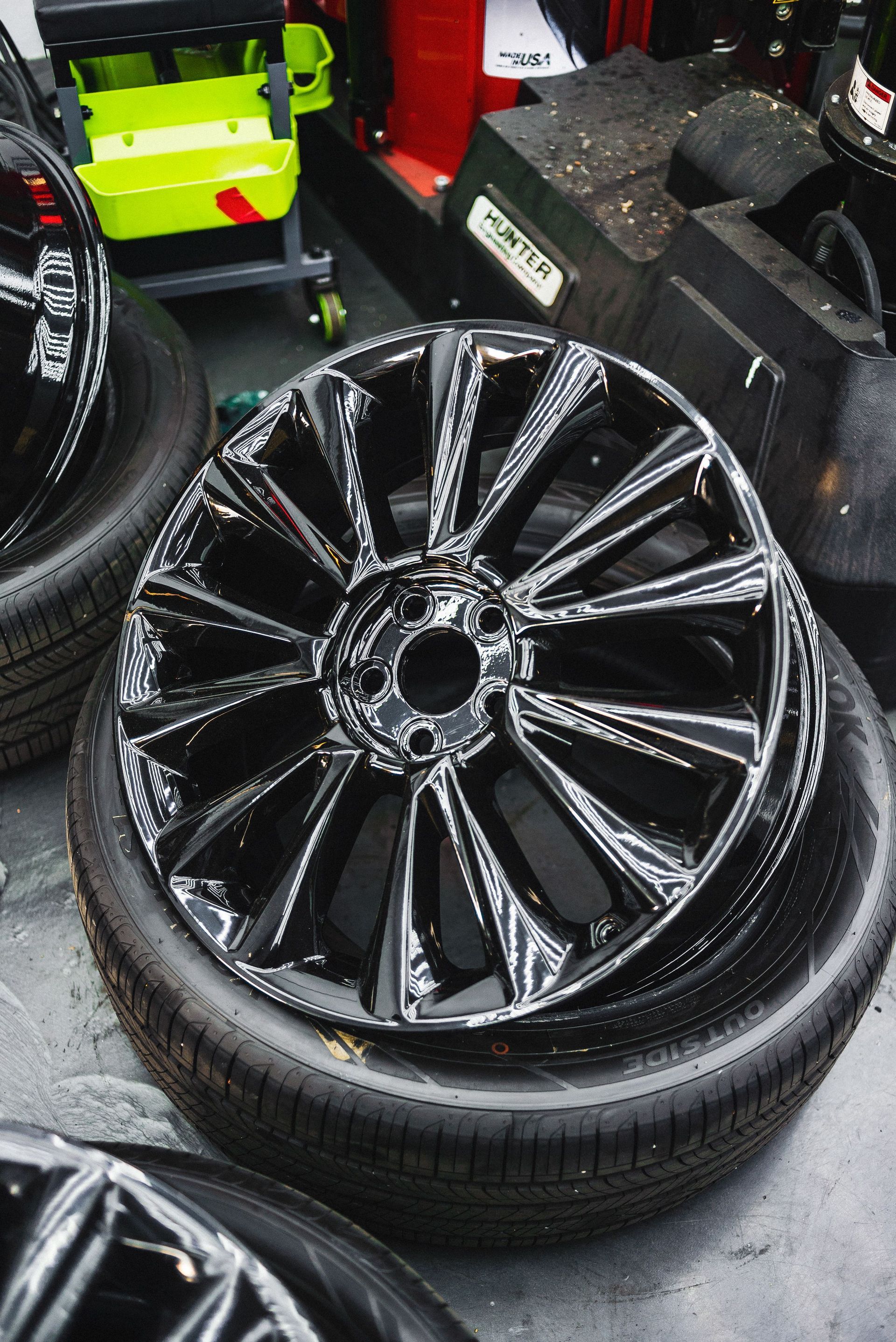
- wheels and automotive parts
- outdoor furniture
- sign frames
- commercial hardware
- ranch equipment
- architectural metalwork
- industrial components
The benefit is not only appearance. Powder coating helps protect the metal from abrasion, corrosion, and everyday wear when the surface is prepared correctly.
What to Look for in a Metal Fabrication Shop Near You
When you search for metal fabrication near me, do not choose based on distance alone. The closest shop may not be the best fit if they cannot repair, prep, and finish the part properly.
Look for a shop that can answer these questions clearly:
Can you repair before coating?
If the part is cracked, bent, rusted, or poorly modified, it may need fabrication before finishing.
Do you sandblast in-house?
In-house blasting helps remove contamination after repair and creates a better foundation for powder coating.
Can you powder coat the finished part?
A fabrication shop that also coats can build the repair with the finish in mind.
Can you handle large items?
Trailers, frames, gates, railings, and industrial parts require space, equipment, and handling capacity. Review Large Item Coating if your project is oversized.
Can I see previous work?
Our Gallery helps you evaluate finish quality, project variety, and shop capability before you request a quote.
| Shop Type | Main Advantage | Main Limitation | Best Fit |
|---|---|---|---|
| Fabrication-only shop | Good for welding, building, or modifying parts | May not blast or finish the part afterward | Raw repairs, structural changes, unfinished metalwork |
| Coating-only shop | Good for applying finish to prepared parts | May not repair cracks, rust damage, or broken brackets | Clean parts that are already ready to coat |
| Apex (Fabrication and finishing shop) | Repairs, blasts, coats, and inspects in one workflow | Gates, trailers, railings, frames, brackets, and Arizona outdoor metal projects |
Common Questions About Metal Fabrication Near Me
What is the difference between welding and metal fabrication?
Welding joins metal. Fabrication is the full process of building, modifying, repairing, shaping, and preparing metal parts.
Can damaged metal be powder coated?
Sometimes, but damaged metal should usually be repaired first. Powder coating over cracked welds, rust-through, or broken brackets does not fix the underlying issue.
Should metal be sandblasted before powder coating?
Often yes. Sandblasting is usually recommended when metal has rust, old paint, mill scale, weld slag, oxidation, or surface contamination.
Is powder coating better than paint after fabrication?
For many metal projects, yes. Powder coating is a strong option for durable, consistent, professional metal finishing, especially when the part is properly blasted and prepped first.
What projects are good candidates for fabrication and powder coating?
Gates, railings, trailer frames, brackets, racks, signs, outdoor furniture, ranch equipment, off-road parts, automotive components, and industrial frames are all strong candidates.
Why Apex Powder Coating Is a Strong Fit
Apex Powder Coating is built around a complete metal finishing workflow. Instead of sending your part to one shop for welding, another for blasting, and another for coating, Apex can handle custom fabrication, sandblasting, powder coating, in one place.
That matters because fabrication and coating decisions affect each other. The welds, edges, surface prep, media selection, and finish all need to work together. For Arizona homeowners, contractors, ranch owners, fabricators, off-road enthusiasts, business owners, and industrial clients, that one-shop process can save time and produce a better result.
Final Thoughts
Searching for metal fabrication near me should not just lead you to someone who can weld. It should lead you to a shop that understands the entire metal project.
The best fabrication work considers strength, fitment, repair quality, surface preparation, coating adhesion, and long-term use. If the part will live outside in Arizona, those details matter even more.
For metal fabrication, welding repair, media blasting, powder coating, and large item coating in Arizona, contact Apex Powder Coating for a free quote and clear guidance on the right repair, prep, and finish for your project.