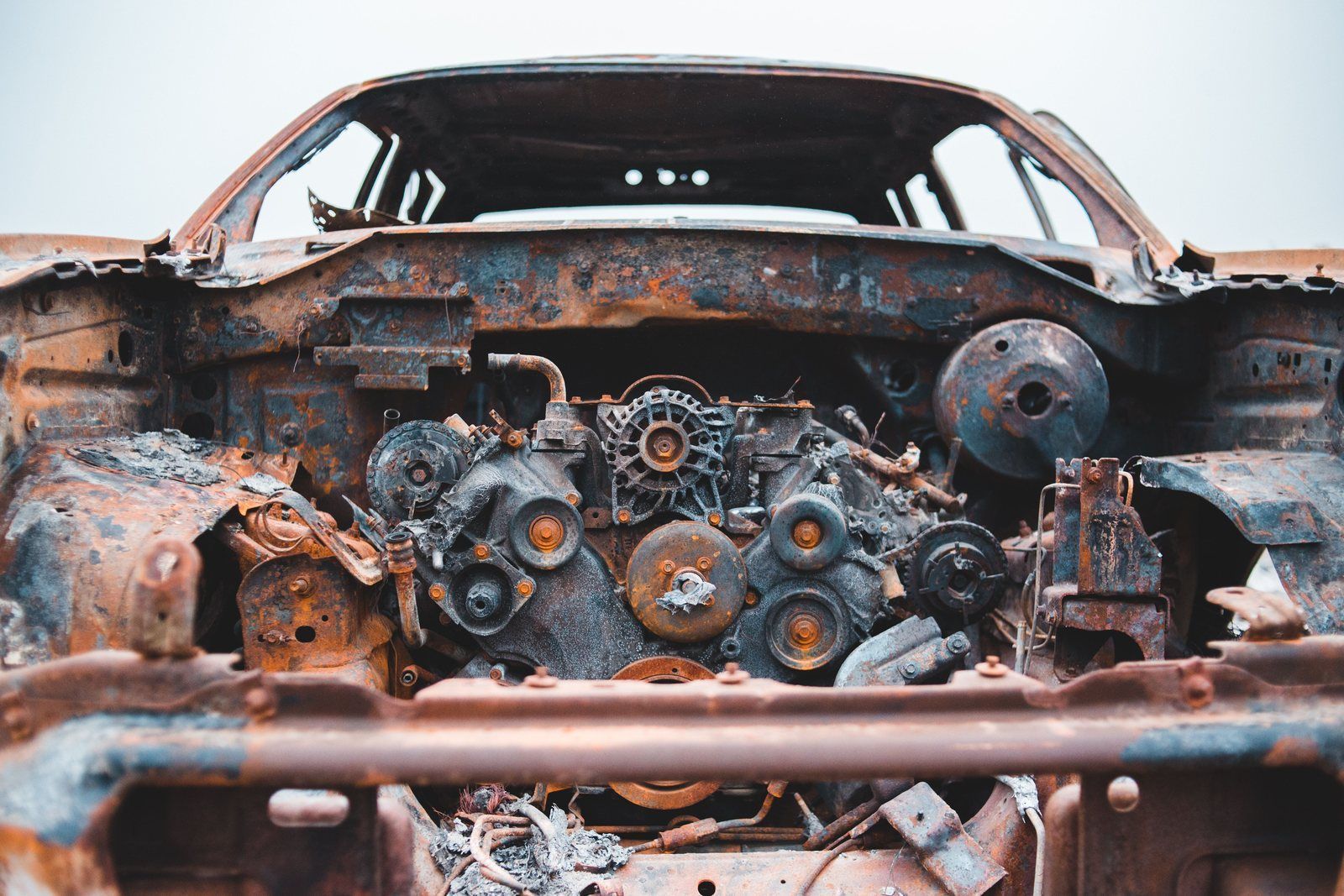
A Stripper That Will Take off Powder Coat | No were not talking about that kind

Admin • June 28, 2026

Share this article

TL;DR


  • A stripper that will take off powder coat does exist, but chemical stripping is not automatically the best removal method for every project.
  • For rusted steel, trailer frames, gates, railings, equipment, and parts being powder coated again, media blasting is often the better overall solution.
  • Chemical stripping can make sense for intricate parts, deep recesses, delicate surfaces, and select aluminum components where abrasive blasting could be too aggressive.
  • The wrong removal method can warp thin metal, damage delicate surfaces, leave residue, or create a poor foundation for the next finish.
  • Powder coat removal is not just about getting the old color off. It is about preparing the metal for repair, restoration, and a finish that will last.
  • Arizona heat, dust, UV exposure, and monsoon moisture make proper surface prep even more important.
  • Apex Powder Coating can inspect, repair, blast, prepare, coat, cure, and inspect your project through one connected workflow.


If you are looking for a stripper that will take off powder coat, the short answer is yes, professional chemical removal systems can soften and lift certain powder coatings. The better answer is that you should not choose a removal method based on the old coating alone. You need to consider the metal underneath it, the condition of the part, the amount of rust or corrosion present, and what you want the part to look like when the job is finished.


For some parts, chemical stripping is useful. For others, it creates more work than it saves. If you have a rusted trailer frame, steel gate, railing, equipment bracket, or large fabricated part that needs a new durable finish, abrasive media blasting is usually the stronger option. It removes the failed powder coat while also cleaning away rust, scale, old paint, and contamination that can make the next coating fail.


What Is the Best Way to Remove Powder Coat?


There is no universal answer because powder coating is designed to be durable. It is a baked-on finish that resists chips, scratches, weather, and ordinary wear better than many liquid paint systems. That strength is exactly why removing it correctly matters.


The three common professional approaches are:

  1. Chemical stripping for intricate, delicate, or hard-to-reach parts
  2. Media blasting for steel, rust, failed coatings, and powder-coating prep
  3. Thermal removal for select industrial projects and specific metal components

For most Arizona metal restoration projects, the decision comes down to chemical stripping versus media blasting.


“The surface being coated should allow a certain amount of penetration, be chemically clean, be hard, not too smooth, and non-porous, to achieve good adhesion.”

That principle matters because the goal is not simply to strip the old powder coat. The goal is to leave the metal ready for the next finish.

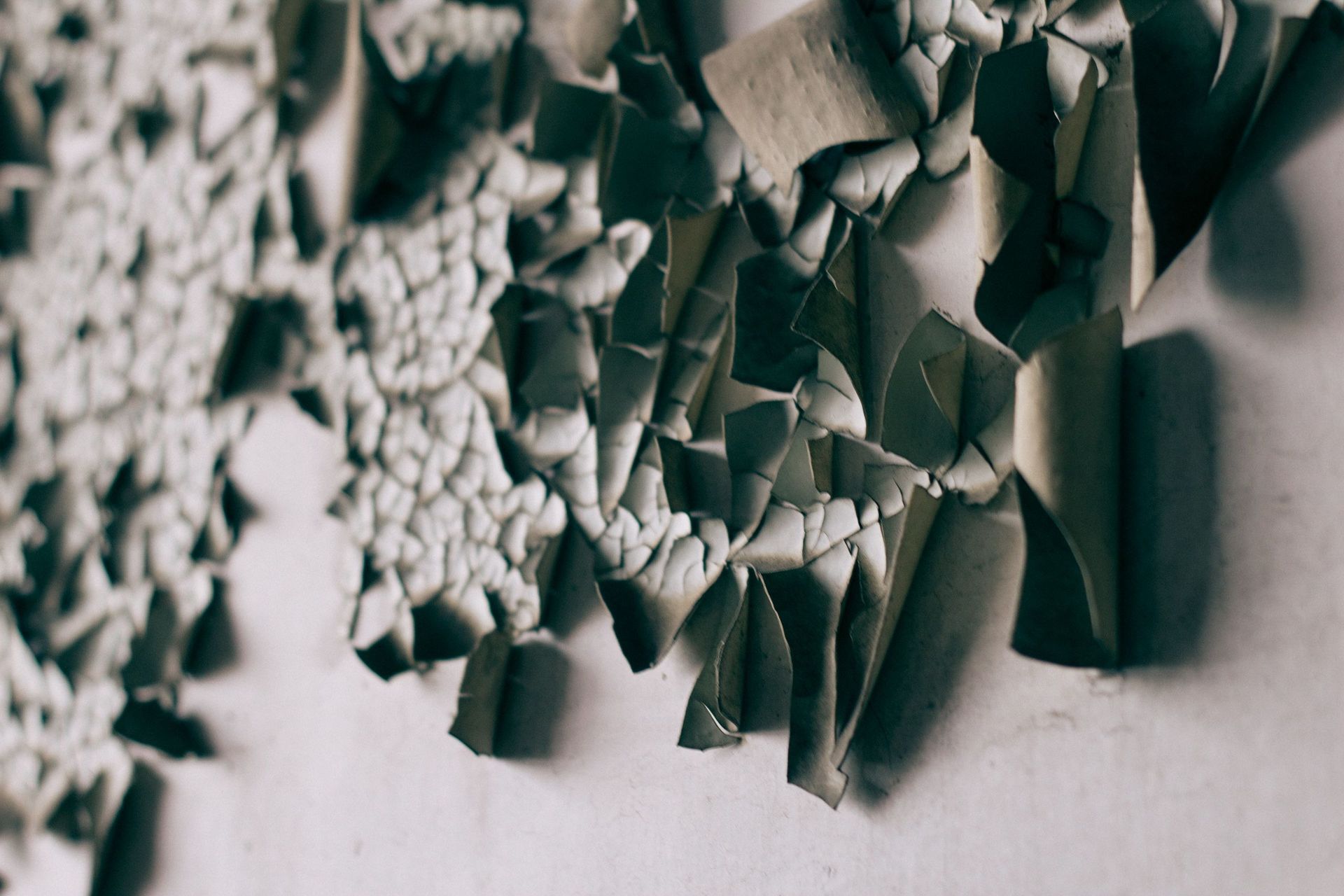
Close-up of torn gray paper pieces scattered in a textured abstract pattern

Can Chemical Stripper Remove Powder Coat?


Yes. Certain professional chemical stripping systems can break down, soften, or lift cured powder coating. This can be useful when the part is highly detailed, has deep recesses, or includes geometry that is difficult to blast evenly.


Chemical stripping may be a good fit for:

  • intricate cast-metal parts
  • detailed brackets and hardware
  • components with deep channels or recessed areas
  • select aluminum parts
  • delicate pieces where aggressive blasting could cause damage
  • projects where preserving the original metal profile matters
  • restoration work with fine details


However, chemical stripping is not a shortcut. It may remove the coating, but it does not automatically remove rust, mill scale, weld slag, deep corrosion, or other surface problems. It can also leave cleaning and prep work behind before the part is ready for powder coating.


That is why the right question is not, “What stripper removes powder coat fastest?” The better question is, “What removal process leaves my part in the best condition for the finish I want next?”


Why You Should Be Careful With Chemical Powder Coat Removal


Chemical stripping requires more than applying a product and waiting for the coating to lift. The chemistry has to be compatible with the substrate, the surrounding materials, and the final finishing process.


A part may include:

  • aluminum or mixed metals
  • seals and gaskets
  • plastic components
  • adhesive residue
  • bearings
  • threads
  • rubber isolators
  • precision-machined areas

Some stripping chemicals can create problems for those materials. Certain older stripping products also involve serious ventilation, exposure, and disposal concerns. You should treat chemical powder coat removal as a controlled professional process, especially when the part is valuable, assembled, structural, or headed for a new coating.


For a small decorative item, a poor removal decision may cost you time. For a gate, wheel, trailer frame, industrial part, or customer-owned project, it can cost far more.


When Media Blasting Is the Better Option


Media blasting is often the better removal method when you are working with thick steel, failed powder coating, rust, old paint, scale, or outdoor metal that needs to be powder coated again.


Unlike chemical stripping, blasting can remove more than the coating itself. It can also remove:

  • rust and oxidation
  • peeling paint
  • mill scale
  • weld slag
  • old surface contamination
  • road grime
  • corrosion around seams and edges

It also creates a surface profile that gives a new coating something to bond to. That is especially important for powder coating, where proper prep has a major effect on adhesion and durability.


Best Projects for Media Blasting


Media blasting is often the strongest fit for:

  • utility trailers
  • flatbeds
  • gates and railings
  • steel wheels
  • automotive frames
  • off-road parts
  • agricultural equipment
  • equipment racks
  • outdoor furniture
  • structural steel
  • commercial brackets
  • industrial frames
  • rusted fabricated metal


For large projects, Large Item Coating also matters. A shop needs enough space to blast, handle, coat, and cure the entire piece without compromising the process.

Removal Method Best For Advantages Limitations Best Next Step
Chemical Stripping Intricate parts, detailed castings, delicate components Can reach recesses and preserve fine detail Requires careful cleaning, may leave residue, not ideal for all materials Inspect, clean thoroughly, then use proper coating prep
Media Blasting Rusted steel, trailers, gates, frames, railings, equipment Removes coating, rust, scale, and contamination while creating a coating profile Can be too aggressive for thin, polished, or delicate parts Move quickly into powder coating or protective finishing
Thermal Removal Select industrial parts and heavy coating systems Can remove durable coatings efficiently in the right setting Heat can affect some metals, seals, adhesives, and assemblies Inspect, blast or clean, then prepare for recoating
Manual Sanding or Grinding Small localized repairs Useful for limited touch-ups and small areas Slow, inconsistent, and not ideal for full powder coat removal Best for minor repair work only

Choosing the Right Blasting Media


The best blasting method depends on the material and the condition of the part.


Aluminum oxide is commonly used for heavy rust, old powder coat, failed paint, mill scale, trailer frames, gates, and powder coating prep. It creates a more aggressive profile that works well for durable coatings.

Glass bead is better for aluminum, stainless steel, decorative metal, motorcycle components, and visible parts that need a cleaner satin appearance without deep cutting.


Steel grit is designed for heavy industrial steel, severe corrosion, structural components, equipment frames, and hard-use projects.


Gentler media, including walnut shell in certain applications, can be useful where the goal is controlled cleaning instead of aggressive removal.


The wrong media can create unnecessary damage. Thin metal can warp. Chrome can be ruined. Precision surfaces can lose fitment. Aluminum can be over-profiled. A professional shop should match the media, pressure, angle, and prep process to the part.


What Not to Do When Removing Powder Coat


Do Not Leave Bare Metal Exposed


Once the coating is removed, bare metal can start collecting dust, moisture, oils, and oxidation. This is especially important in Arizona, where outdoor conditions can change quickly between dry dust, heat, and monsoon moisture.


A planned workflow matters. Strip or blast the project, inspect it, make repairs, clean it, and move it toward primer, powder coating, or another protective finish.


Do Not Treat Every Part the Same


A steel trailer frame and an aluminum wheel require different thinking. A decorative cast part may need chemical removal. A rusted gate may need aggressive blasting. A thin panel may require gentler media and controlled pressure.


The best removal process should be based on the part, not the easiest equipment to use.


Do Not Powder Coat Over Failing Powder Coat


In some cases, a solid and properly adhered coating can be evaluated for recoating. But if the existing finish is peeling, chipped, rusting, contaminated, or damaged around edges and welds, coating over it is usually a poor long-term decision.


Removing failed material gives the new coating a stronger foundation.


Why Arizona Projects Need Proper Powder Coat Removal


Arizona conditions are hard on exterior metal. UV exposure, heat, dust, abrasion, irrigation overspray, and seasonal moisture all test the finish.


A poor powder coat removal process can leave corrosion in seams, contamination around welds, or rough areas that were never repaired. Those weaknesses may not show immediately, but they often return after the new coating is applied.


That is why Apex’s one-shop process is valuable. Sandblasting, fabrication repair, and powder coating can be handled as connected stages instead of separate handoffs. The result is better control over the project from the first inspection through final cure and quality check.


When Your Part Needs Repair Before Recoating


Powder coat removal often reveals issues that were hidden by the old finish. You may discover:

  • cracked welds
  • rust-through
  • bent tabs
  • weak brackets
  • pitted metal
  • missing sections
  • damaged mounting points
  • rough past repairs


That is where custom fabrication can save the project. Repairing the metal before coating helps protect the investment you are making in the final finish.


Common Questions About Powder Coat Removal

Will paint stripper remove powder coat?


Some chemical stripping systems can remove powder coating, but the correct process depends on the coating, material, and condition of the part. Do not assume one consumer product is safe for every metal or assembly.


Is blasting better than chemical stripping?


For rusted steel, trailer frames, gates, railings, equipment, and projects headed for new powder coating, blasting is often the better overall solution. Chemical stripping may be more appropriate for intricate or delicate components.


Can powder-coated aluminum be stripped?


Yes, but aluminum requires a more controlled approach. The process should protect the metal from unnecessary damage and prepare it properly for the next finish.


Can you powder coat over old powder coat?


It depends on the condition of the existing finish. If it is failing, chipped, contaminated, or rusting, full removal and proper prep are usually the smarter path.


What is the fastest way to remove powder coat?


The fastest method depends on the part. A process that works quickly on a heavy steel frame may be wrong for a delicate aluminum component or precision-machined part.


Final Thoughts


A stripper that will take off powder coat can be part of the solution, but it is rarely the whole solution. The best powder coat removal method depends on your metal, coating condition, repair needs, project size, and final finish goal.


Chemical stripping can be useful for delicate, detailed, or difficult-to-reach parts. Media blasting is often the better option for rusted steel, gates, railings, trailers, equipment, and large fabricated metal that needs a clean, durable foundation for recoating.


For professional powder coat removal, contact Apex Powder Coating for a free quote.

Recent Posts

Worker welding metal on a scaffold indoors, with bright sparks flying in a dim workshop.
By Admin July 10, 2026
Learn what to know when searching metal fabrication near me in Arizona, including repair, sandblasting, powder coating, and finishing options.
Close-up of metal roofing panels with rusted brackets and fasteners
By Admin June 28, 2026
Learn how media blasting works, compare aluminum oxide, glass bead, and steel grit, and choose the right abrasive for your Arizona metal project.
Close-up of a blue and purple textured mesh pattern with diagonal ridges and highlights
By Admin June 24, 2026
Learn when sandblasting is needed in Arizona, what materials need gentler prep, and how media blasting improves powder coating results.
Hands holding two small piles of bright yellow powder against a blue background
By Admin June 16, 2026
Learn how to powder coat at home, why DIY often fails in Arizona, and when professional powder coating, sandblasting, and prep are worth it.
Blue powder cloud exploding against a black background
By Admin June 10, 2026
Compare custom coatings, powder coating, and Cerakote-style finishes for Arizona projects, including use cases, durability, prep, and coating selection tips.
Mojave County Holbrook Complex sign with sunburst pillars, set in a desert landscape under a blue sky
By Admin June 9, 2026
Find out why powder coating Tucson projects need the right powder type, proper sandblasting, and expert prep for durable custom signs and metalwork.
Gloved hand spray-painting a car part in a paint booth
By Admin June 1, 2026
Learn how the right powder coating type affects durability, UV resistance, and finish quality for Arizona metal projects, including Mesa railings.
Workers using a crane to install black stair treads in an indoor construction site
By Admin May 26, 2026
Learn how powder coating works on a custom three-piece staircase in Mesa, AZ, and why prep, blasting, and curing matter for lasting results.
Scattered colorful paint swatches overlapping on a dark background
By Admin May 20, 2026
Discover the best standard RAL colour for Arizona projects, from gates to custom art, with powder coating tips on durability, style, and prep.
Welder in a dark workshop, bright sparks flying as metal is joined on a workbench.
By Admin May 18, 2026
Why quality fabrication services matter for powder coating in Arizona, including stronger repairs, better prep, improved durability, and longer-lasting metal finishes.
Show More