Types of Metal Finishes | Different Metal Finishes and Their Uses
TL;DR
- If you are comparing Types of Metal Finishes, you are really choosing how your metal will look, how long it will last, how much maintenance it may need, and how well it will handle Arizona conditions.
- The most common metal finishes include powder coating, liquid paint, galvanizing, anodizing, plating, black oxide, brushed metal, polished metal, patina finishes, passivation, and clear-coated raw metal.
- Is powder coating better than paint? For many gates, railings, trailers, wheels, brackets, signs, and outdoor metal projects, yes. Powder coating is often more durable and uniform when the metal is properly prepped.
- What is the best metal finish for outdoor use in Arizona? Powder coating, galvanizing, anodizing for aluminum, stainless finishes, and select industrial paint systems can all work depending on the metal, exposure, and finish goal.
- Do you need sandblasting before finishing metal? Often yes. Sandblasting removes rust, old paint, mill scale, weld slag, and contamination so the finish can bond correctly.
- Can damaged metal be finished? Sometimes, but cracked welds, rust-through, bent brackets, and broken tabs should usually be repaired through fabrication before finishing.
- Powder Coating: Best for gates, railings, trailers, wheels, frames, signs, outdoor furniture, brackets, racks, fabricated steel, ranch equipment, and Arizona outdoor metal that needs durability and color options.
- Liquid Paint: Best for field touch-ups, oversized items that cannot be oven cured, heat-sensitive parts, on-site repairs, and projects where easy future repair matters.
- Galvanizing: Best for steel fencing, utility parts, ranch equipment, outdoor structural steel, industrial components, and projects where corrosion protection matters more than custom color.
- Anodizing: Best for aluminum parts, architectural aluminum, trim, hardware, performance parts, and aluminum components that need a clean, corrosion-resistant finish.
- Plating: Best for fasteners, small hardware, decorative trim, machine parts, corrosion-resistant components, and parts needing added hardness, appearance, or conductivity.
- Black Oxide: Best for tools, fasteners, precision steel parts, small hardware, and machine components where a thin dark finish with minimal dimensional change is needed.
- Brushed Metal: Best for stainless steel, aluminum panels, handrails, architectural accents, commercial interiors, and decorative metal that needs a clean modern look.
- Polished Metal: Best for decorative aluminum, stainless trim, show pieces, specialty hardware, and metal accents where a bright reflective appearance is the priority.
- Patina Finishes: Best for copper, brass, bronze, artistic metalwork, decorative signs, architectural accents, and projects where a unique aged finish is desired.
- Passivation: Best for stainless steel parts, clean-use components, industrial stainless hardware, and applications where the natural stainless appearance should remain while improving corrosion resistance.
- Clear Coat Over Raw Metal: Best for decorative raw steel, brushed metal, artistic metalwork, interior display pieces, and projects where you want to preserve the natural metal look.
When you compare Types of Metal Finishes, you are not just picking a final color, texture, or look. You are deciding how your project will handle heat, sun, dust, moisture, scratches, corrosion, and everyday use. A steel entry gate in Arizona needs a different finish strategy than an aluminum trim piece, a stainless handrail, a utility trailer frame, a decorative sign, or a set of automotive wheels.
The right finish should match the part. It should also match the environment. In Arizona, that means thinking about UV exposure, high heat, wind-driven dust, monsoon moisture, road debris, ranch use, off-road use, and long-term maintenance. A finish that works well indoors may not be the right choice for outdoor metal that lives in the sun.
What Is a Metal Finish?
A metal finish is the surface treatment applied to metal after it is fabricated, repaired, cleaned, or prepared. It can be decorative, protective, functional, or all three.
A good finish can improve:
- appearance
- corrosion resistance
- scratch resistance
- UV resistance
- chemical resistance
- cleanability
- texture
- color
- long-term durability
- part identification
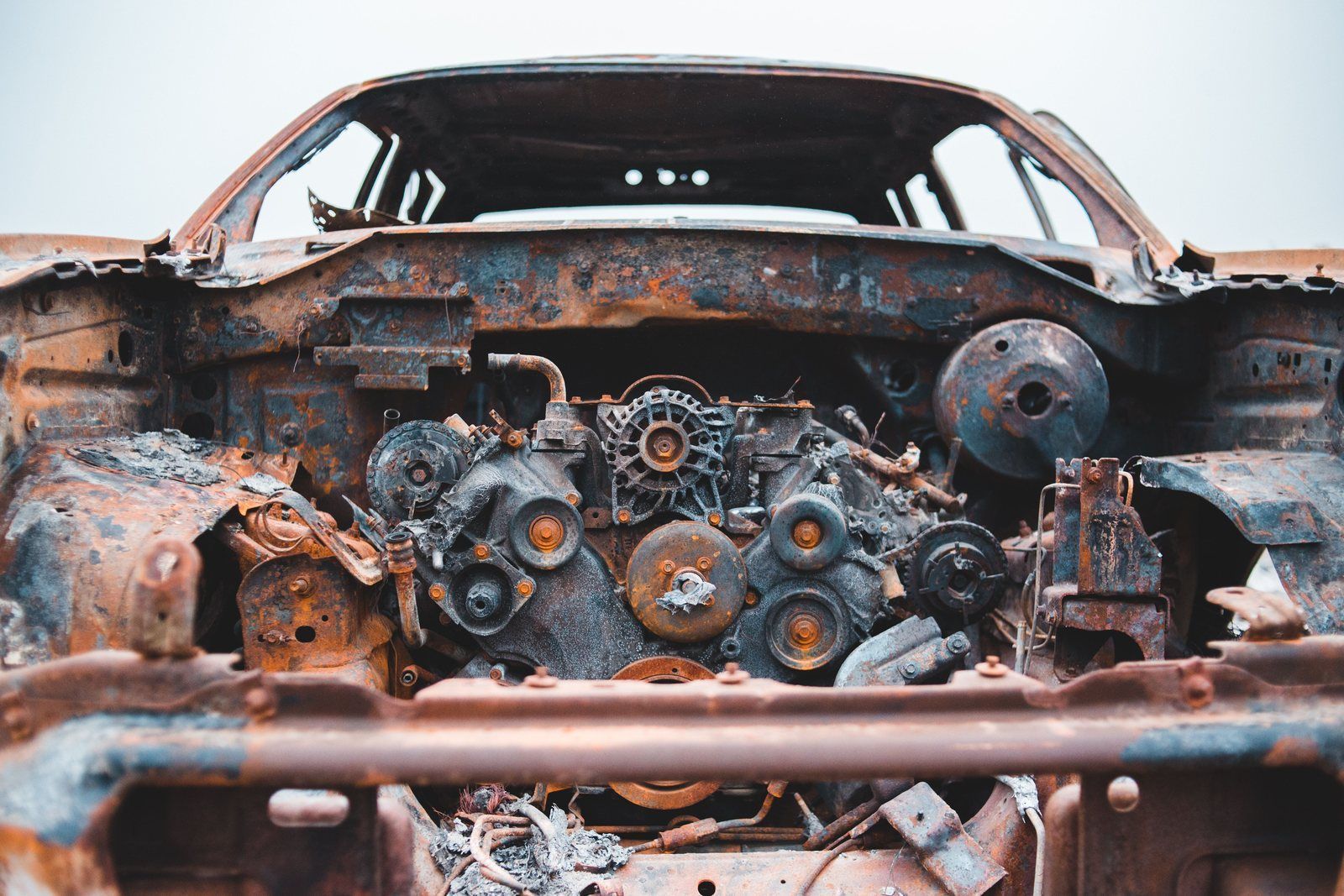
Bare metal may look clean at first, but it can rust, oxidize, stain, fade, scratch, or collect contamination. The finish protects the investment you have already made in the part.
Powder Coating
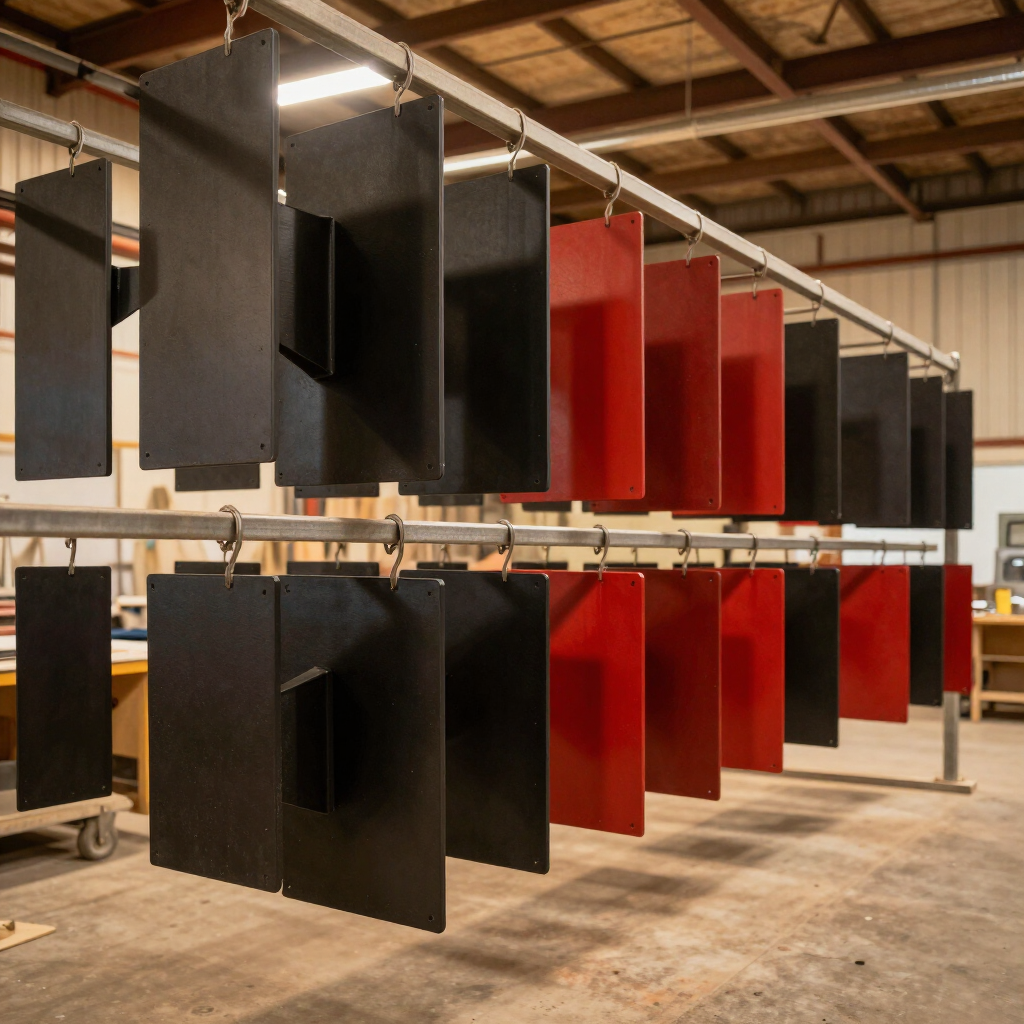
Powder coating is a dry finishing process where electrostatically charged powder is applied to metal, then cured with heat to create a hard, durable finish. It is one of the strongest all-around choices for Arizona metal projects when the part can handle oven curing and the surface is prepared correctly.
Powder coating is a strong fit for:
- gates
- railings
- trailer frames
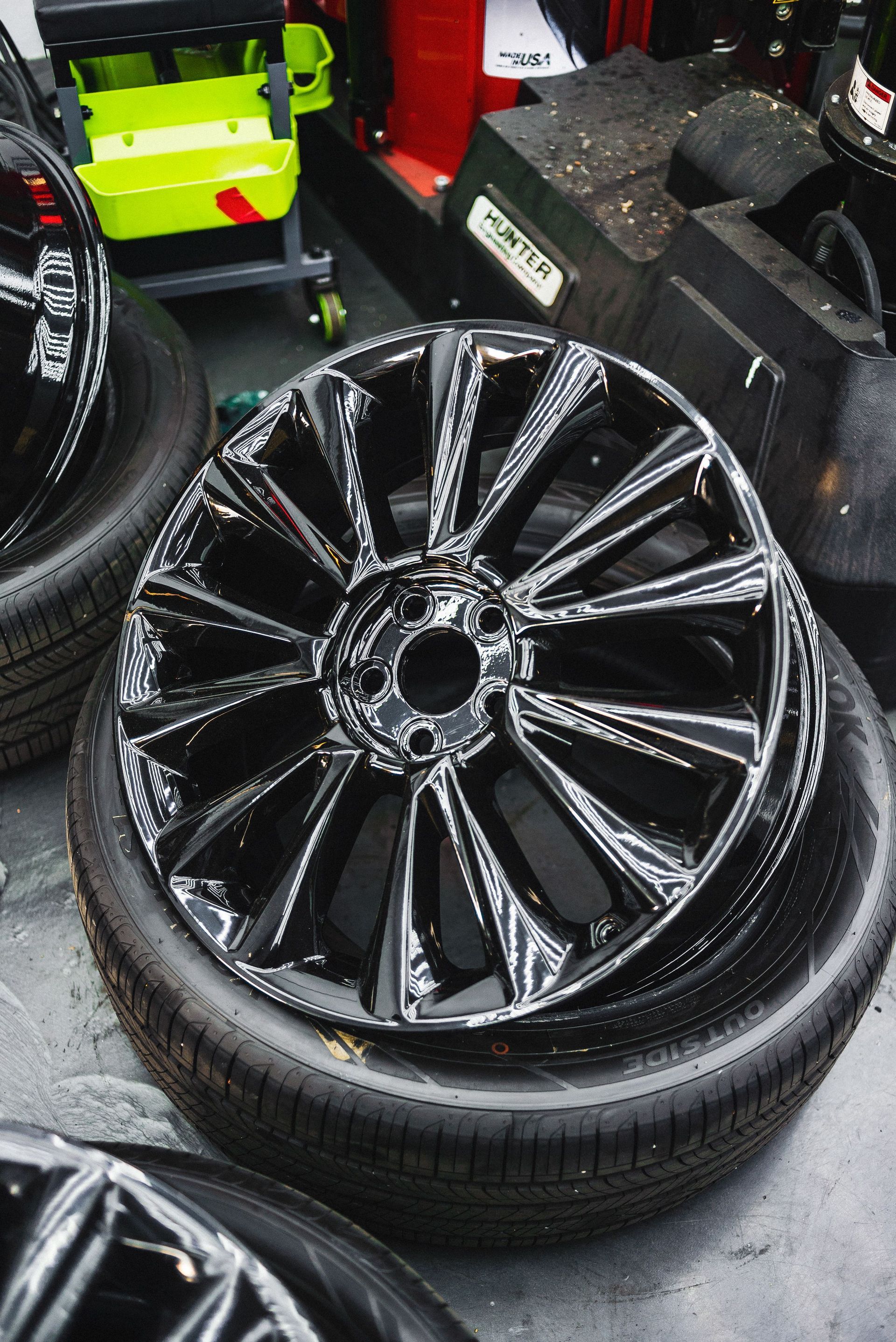
- wheels
- automotive parts
- outdoor furniture
- brackets
- racks
- commercial signs
- fabricated steel
- ranch equipment
- industrial components
The biggest benefits are durability, color variety, texture options, clean appearance, and strong coverage. Apex offers access to thousands of colors and finishes, including matte, gloss, satin, metallic, candy, texture, and specialty looks.
For outdoor Arizona projects, powder coating is often a smart choice because it gives you both protection and appearance. The key is prep. Rust, old paint, mill scale, and weld slag should be removed before coating.
Liquid Paint
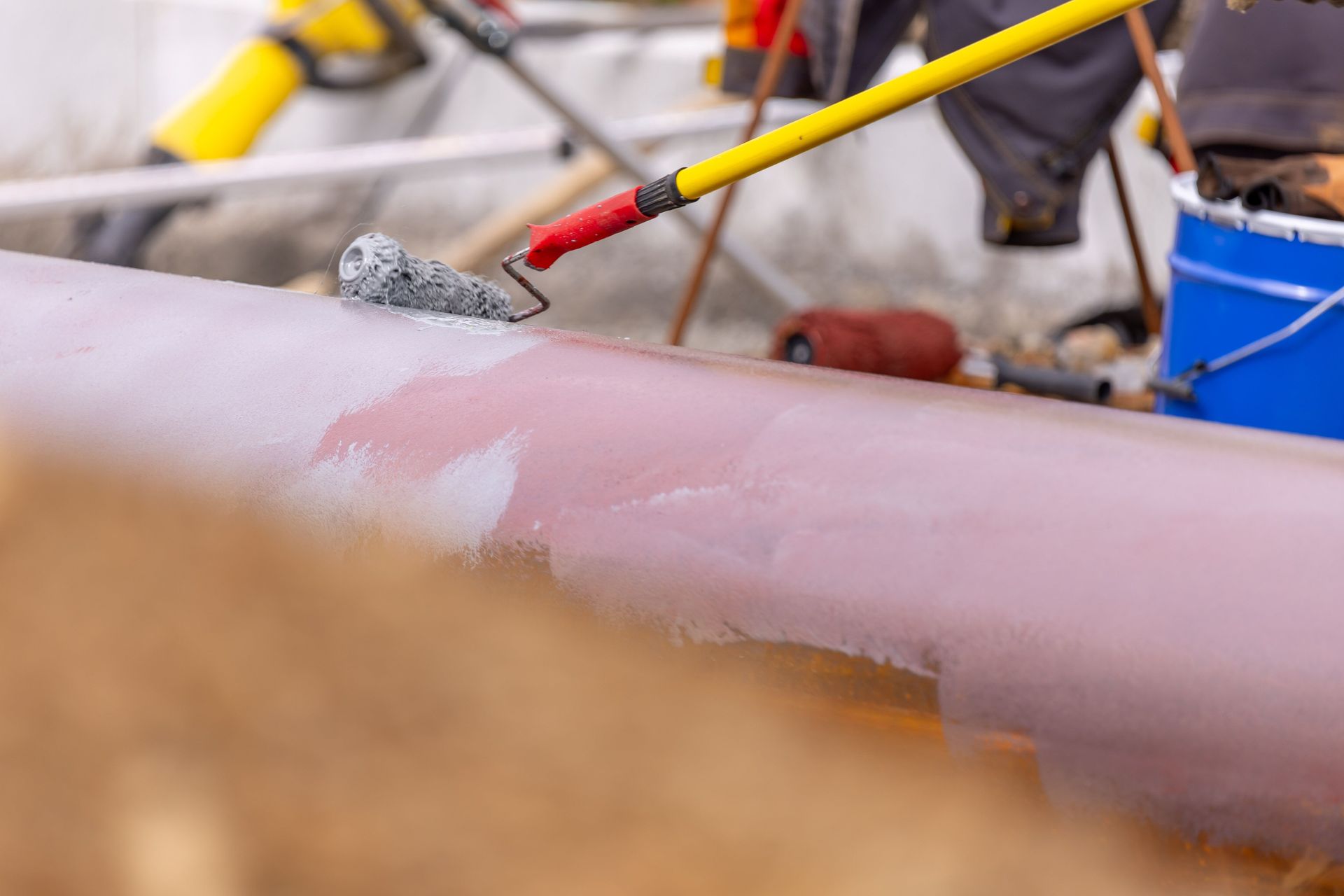
Liquid paint is a wet coating system that can be sprayed, brushed, or rolled. It still has a place in metal finishing, especially for field work, touch-ups, and parts that cannot be oven cured.
Paint is useful for:
- on-site repairs
- large structures that cannot fit in an oven
- heat-sensitive assemblies
- quick touch-ups
- certain industrial coating systems
The advantage of paint is flexibility. It can often be applied in the field, and touch-ups are easier than with powder coating. The downside is that it may chip, fade, run, sag, or require more maintenance depending on the product and application.
Paint is not automatically bad. It is just different. For many portable metal parts that can be properly blasted and cured, powder coating is often the cleaner and more durable choice.
Galvanizing
Galvanizing is a zinc-based coating used to protect steel from corrosion. It is common on fencing, utility parts, ranch equipment, structural components, and outdoor steel.
Galvanizing is a strong fit when corrosion protection matters more than custom color or a refined decorative finish. It can be a practical choice for steel that will live outside, especially in industrial or agricultural settings.
The tradeoff is appearance. Galvanized metal has a specific look and does not offer the same finish variety as powder coating. If you want a clean black gate, textured railing, colored sign frame, or custom decorative finish, powder coating may be a better fit.
Anodizing
Anodizing is an electrochemical finish used mainly on aluminum. It changes the surface of the aluminum itself, improving corrosion resistance and allowing certain color and appearance options.
Anodizing is often used for:
- aluminum trim
- architectural aluminum
- hardware
- performance parts
- decorative aluminum components
- commercial aluminum parts
It is a good finish, but it is not a steel finishing solution. If your part is steel, anodizing is not the answer. If your part is aluminum and you want a clean, integrated surface finish, anodizing may be worth considering.
Powder coating can also be used on aluminum in many cases, but surface prep and curing requirements should be evaluated first.
Plating
Plating deposits a thin layer of metal onto another metal. Common plating types include zinc plating, nickel plating, chrome plating, and electroless nickel.
Plating is often used for:
- fasteners
- small hardware
- decorative trim
- machine parts
- corrosion-resistant small components
- parts needing hardness, conductivity, or wear resistance
Plating is usually more specialized than powder coating. It can be excellent for smaller parts and hardware, but it is not usually the first choice for large fabricated pieces like gates, trailers, frames, rails, or sign structures.
Black Oxide
Black oxide is a conversion coating often used on steel or stainless components. It creates a dark finish with very little dimensional change.
It is commonly used on:
- tools
- fasteners
- precision parts
- small hardware
- machine components
The benefit is that it is thin and clean. The limitation is corrosion protection. Black oxide usually needs oil or sealing, and it is generally not the best stand-alone finish for outdoor Arizona metal that will see sun, dust, moisture, and abrasion.
Brushed Metal
A brushed finish is a mechanical finish that creates fine directional lines on the metal surface. It is common on stainless steel, aluminum, decorative panels, handrails, and architectural metal.
Brushed metal has a clean, modern look. It can hide minor handling marks better than a mirror polish, but it is not the same as a protective coating. If the metal will be outdoors, the substrate itself matters. Stainless steel may perform well in many settings, while raw mild steel will still need protection.
Polished Metal
Polished metal is smoothed and buffed to create a bright reflective surface. It is used for show pieces, trim, decorative aluminum, stainless accents, and specialty hardware.
The advantage is appearance. The drawback is maintenance. Polished finishes can show scratches, fingerprints, oxidation, and water spots. For rugged outdoor projects, trailers, gates, industrial frames, and ranch equipment, polished metal is usually not the practical choice.
Patina and Aged Finishes
Patina finishes are used for character. They can be natural or controlled, and they are common on copper, brass, bronze, and artistic metalwork.
A patina can work well for:
- decorative signs
- artistic metal
- architectural accents
- copper or brass details
- design-focused projects
The appeal is uniqueness. The limitation is consistency. Patina finishes can continue changing over time, and some may need sealing if you want to preserve a specific look.
Passivation
Passivation is a chemical treatment used mainly on stainless steel. It helps remove free iron from the surface and supports the stainless steel’s natural corrosion resistance.
Passivation is useful for:
- stainless steel parts
- clean-use components
- industrial stainless hardware
- food-grade style applications
- parts where natural stainless appearance should remain
It is not a color finish. It is not a powder coating replacement. It is a surface treatment for stainless steel performance.
Clear Coat Over Raw Metal
A clear coat can preserve the look of raw, brushed, or artistic metal. It is used when you want to see the metal itself instead of covering it with color.
This can work for decorative projects, interior pieces, display work, and artistic steel. Outdoors, it needs careful consideration. Raw steel under clear coat can still show rust if the surface is not prepared and sealed correctly. In Arizona, dust, UV exposure, and moisture can expose weak clear-coated systems.
| Finish Type | Best For | Main Benefits | Main Limitations | Arizona Fit |
|---|---|---|---|---|
| Powder Coating | Gates, railings, trailers, wheels, signs, frames, outdoor metal | Durable, customizable, clean appearance, many colors | Requires prep and oven curing | Strong fit for many outdoor projects |
| Liquid Paint | Touch-ups, field work, heat-sensitive parts | Easier to repair and apply on site | More maintenance, can chip or fade | Good in the right system |
| Galvanizing | Steel fencing, ranch metal, utility parts | Strong corrosion protection | Limited decorative appearance | Strong for corrosion-focused steel |
| Anodizing | Aluminum parts and architectural aluminum | Clean aluminum finish, corrosion resistance | Mostly for aluminum | Good for the right aluminum parts |
| Plating | Fasteners, hardware, trim, small components | Corrosion resistance, appearance, hardness options | Specialized, less ideal for large pieces | Good for selected components |
| Black Oxide | Tools, fasteners, precision parts | Thin dark finish, minimal dimensional change | Limited outdoor protection by itself | Usually limited outdoors |
| Brushed Metal | Stainless, aluminum, handrails, panels | Clean modern look | Not a full protective coating | Best with corrosion-resistant metals |
| Polished Metal | Decorative aluminum or stainless | Premium reflective appearance | High maintenance | Limited for rugged outdoor use |
| Patina | Copper, brass, bronze, artistic metal | Unique aged character | Less uniform, may change over time | Good for decorative work |
| Passivation | Stainless steel parts | Improves stainless corrosion resistance | Not decorative or colored | Good for stainless applications |
| Clear Coat | Decorative raw metal | Preserves natural metal appearance | Can fail if prep is poor | Use carefully outdoors |
How to Choose the Right Metal Finish
Start with the metal
Steel, aluminum, stainless steel, copper, brass, and galvanized steel all behave differently. The finish should match the substrate. A finish that works beautifully on aluminum may be wrong for steel.
Think about the environment
Ask where the part will live. Indoors? Outdoors? Full sun? Road use? Ranch use? Commercial property? Industrial setting? A shaded interior railing needs different protection than a trailer frame or outdoor gate.
Decide what matters most
Your best finish depends on your priorities. You may care most about:
- color
- durability
- corrosion resistance
- UV resistance
- easy maintenance
- premium appearance
- texture
- cost
- repairability
- turnaround time
For many Arizona customers, the answer is a balance of durability, appearance, and low maintenance. That is where powder coating often becomes a strong option.
Apex-Style Project Scenario: The Arizona Ranch Entry Gate
A Arizona homeowner with a large steel entry gate. The old paint is fading. Rust is forming near the lower rail. The hinge areas are scratched. A few welds are rough, and the owner wants a clean finish that looks professional from the road.
At first, paint seems like the simple choice. It is familiar and easy to understand. Galvanizing could provide corrosion protection, but it may not deliver the custom appearance the homeowner wants. A raw or clear-coated finish would look interesting at first, but it may not be practical for full outdoor exposure.
Apex started with inspection. If welds or brackets need repair, custom fabrication comes first. Then the old paint, rust, and contamination can be removed through sandblasting. From there, the gate can be powder coated in a durable exterior finish.
The lesson is simple. The right finish was not chosen by color alone. It was chosen by material, exposure, prep needs, appearance, and long-term use.
Why Surface Prep Matters Before Any Finish
Surface prep is where many metal finishing projects succeed or fail. Even the best finish can struggle if the surface underneath is dirty, rusty, oily, oxidized, or covered in old coating.
Sandblasting is often used before powder coating because it removes rust, old paint, mill scale, weld slag, and contamination. It also creates the profile needed for better coating adhesion.
Repair can also come first. If your part has cracked welds, rust-through, bent brackets, broken tabs, or rough previous repairs, those problems should be addressed before the finish is applied.
Common Questions About Types of Metal Finishes
What is the most durable metal finish?
It depends on the project. Powder coating is a strong all-around choice for many fabricated steel projects. Galvanizing is excellent for corrosion protection on steel. Anodizing is strong for aluminum. Plating can be ideal for smaller components and hardware.
Is powder coating better than paint?
For many metal parts, yes. Powder coating often provides a thicker, more uniform, more durable finish than liquid paint when the metal is properly prepared. Paint can still be better for touch-ups, field work, and parts that cannot be oven cured.
What metal finish is best for outdoor Arizona use?
Powder coating is a strong choice for gates, railings, trailers, signs, wheels, frames, and outdoor metal. Galvanizing can be excellent for steel corrosion protection. Anodizing is strong for aluminum. Stainless finishes can work well where stainless is the correct substrate.
Do you need sandblasting before applying a metal finish?
Often yes, especially if the part has rust, old paint, mill scale, weld slag, oxidation, or contamination. Clean new metal may need a different prep method, but it still needs proper surface preparation.
Can damaged metal be finished?
Yes, but it should usually be repaired first. Powder coating over cracked welds, rust-through, or broken brackets does not solve the underlying problem.
Why Apex Powder Coating Is a Strong Fit
Apex Powder Coating is built around the full metal finishing process. The shop can help with fabrication, sandblasting, powder coating, and more with the most capable shop in Arizona.
That means your project can be evaluated as a complete metal project instead of just a color choice. If the part needs repair, it can be repaired. If it needs blasting, it can be blasted. If it needs a finish built for Arizona sun, dust, and outdoor use, the coating can be selected with that reality in mind.
You can also review the Gallery, check Service Areas, or request a quote through Contact Us.
Final Thoughts
The best metal finish is not always the most decorative, the most expensive, or the most familiar. The best finish is the one that fits the metal, the environment, the use case, and the maintenance expectations.
For Arizona projects, powder coating is often one of the strongest all-around finishing options because it combines durability, customization, and a professional appearance when paired with proper surface prep. Still, galvanizing, anodizing, plating, brushing, polishing, patina, passivation, paint, and clear coat all have their place.
If you need help choosing the right finish for a gate, railing, trailer, wheel, frame, sign, outdoor furniture, ranch equipment, or fabricated metal project, contact Apex Powder Coating for a free quote.