Understanding Texture, Finish, Color, and Sheen
Before choosing a powder, it helps to understand the difference between color, sheen, texture, and finish. These terms are often used together, but they do not mean the same thing.
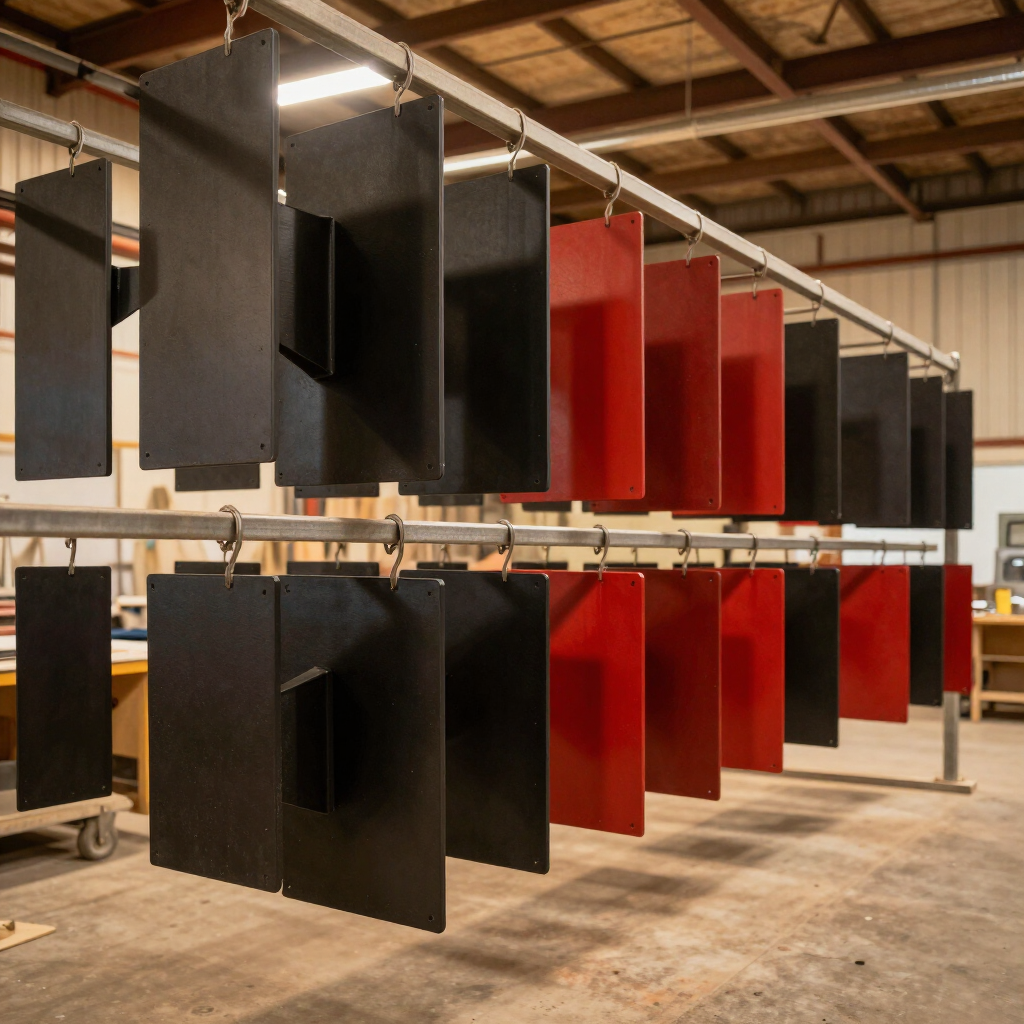
Color is the visible shade of the coating. That may be black, bronze, graphite, white, red, green, silver, copper, or a custom color. Sheen describes how reflective the finish is. Matte and flat finishes reflect less light. Satin and semi-gloss finishes sit in the middle. Gloss and high-gloss finishes create a brighter, more polished surface.
Texture describes the surface feel and pattern. A finish may be smooth, fine-textured, rough-textured, wrinkle, hammertone, cast, river-style, or sand-like. Finish is the complete final result. For example, “smooth satin black” is a finish. So is “fine texture bronze,” “high-gloss red,” “wrinkle black,” “metallic silver,” “candy blue,” or “color-shift illusion.”
This matters because two black powders can look completely different. A matte black railing, a satin black wheel, a textured black gate, and a gloss black showpiece all create different results. They may all be black, but they will not perform, clean, or age the same way.
Smooth Powder Coating Finishes
Smooth powder coating finishes are clean, classic, and versatile. They are often chosen when the final appearance needs to look refined and easy to wipe down. Smooth finishes are common on wheels, patio furniture, railings, signs, architectural trim, motorcycle parts, brackets, interior metal, and decorative pieces.
The advantage of a smooth finish is that it gives the part a clean and finished appearance without adding a strong surface pattern. If you want a railing to look modern, a sign frame to look professional, or a set of wheels to look crisp, smooth powder coating can be a strong choice.
The tradeoff is that smooth finishes do not hide surface imperfections as well as textured finishes. A smooth gloss finish can highlight scratches, dust, small waves, pitting, poor prep, or debris. This is why surface preparation matters so much. If the metal has old coating, rust, mill scale, weld spatter, or contamination, it should be addressed before coating.
For Arizona use, smooth satin and smooth semi-gloss finishes are often more practical than full gloss. They still look clean, but they are usually more forgiving in dusty outdoor environments.
Matte and Flat Powder Coating Finishes
Matte and flat finishes are popular because they look modern, understated, and high-end. They are often used on architectural metal, wheels, brackets, signs, off-road accessories, railings, and blacked-out automotive projects.
A matte finish can look excellent on the right project. It reduces glare, feels contemporary, and works well with black, charcoal, bronze, gray, and earth-tone colors. If you want a railing or custom metal piece to feel more refined and less shiny, matte may be the look you are after.
The main concern is maintenance. Matte and flat finishes can show fingerprints, oils, rub marks, water spots, and dust more than satin or fine texture. That does not mean you should avoid matte powder coating. It means you should choose it with realistic expectations. A matte black gate that gets touched every day may show wear differently than a satin or textured finish. A matte wheel may look great, but it may require more careful cleaning than a gloss or satin finish.
For Arizona customers, matte is best when appearance is the priority and the part is not constantly handled, dragged, scraped, or exposed to rough service. If the part will see frequent touch, ranch use, off-road use, or jobsite abuse, a satin or fine-textured finish may be a better long-term choice.
Satin and Semi-Gloss Powder Coating Finishes
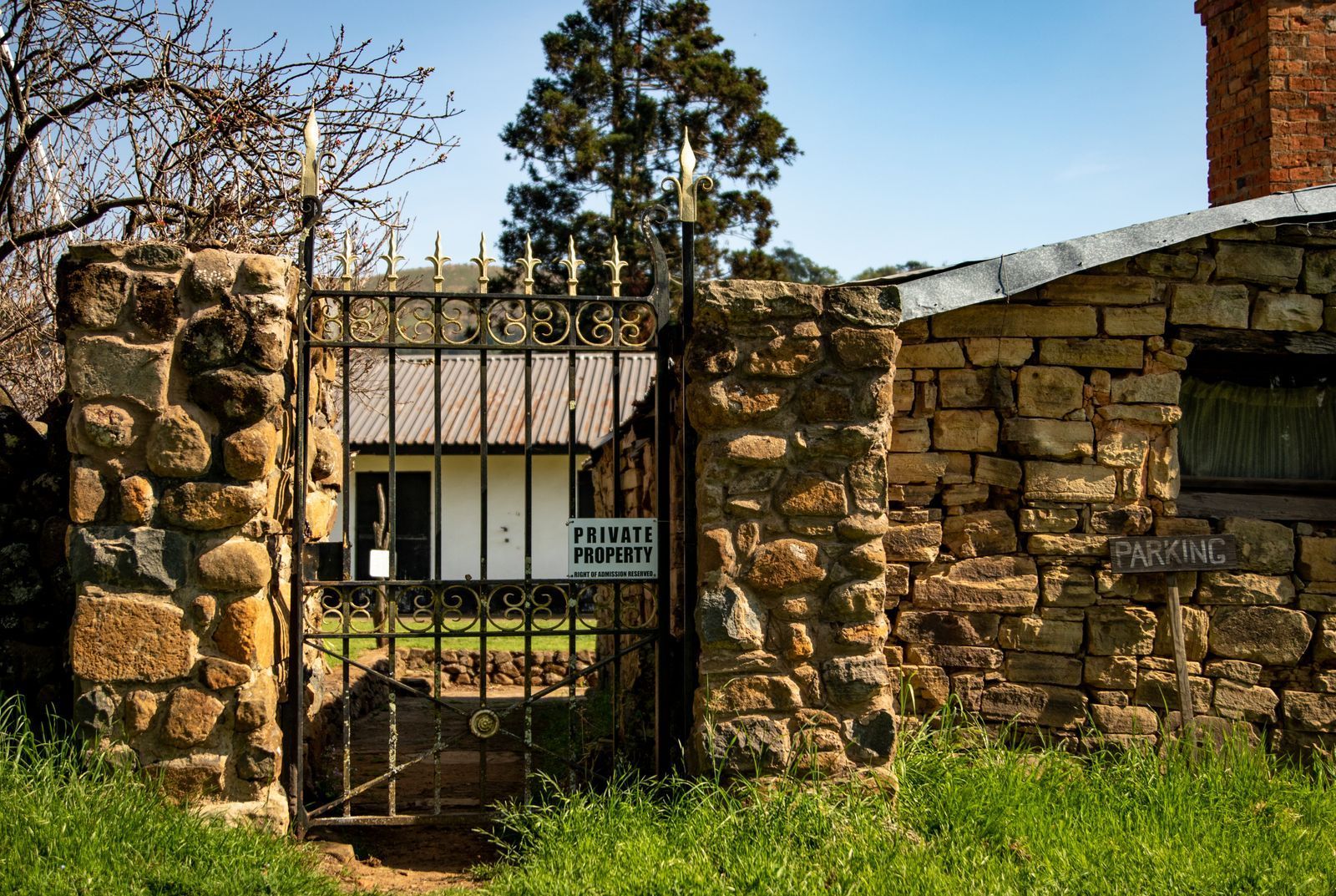
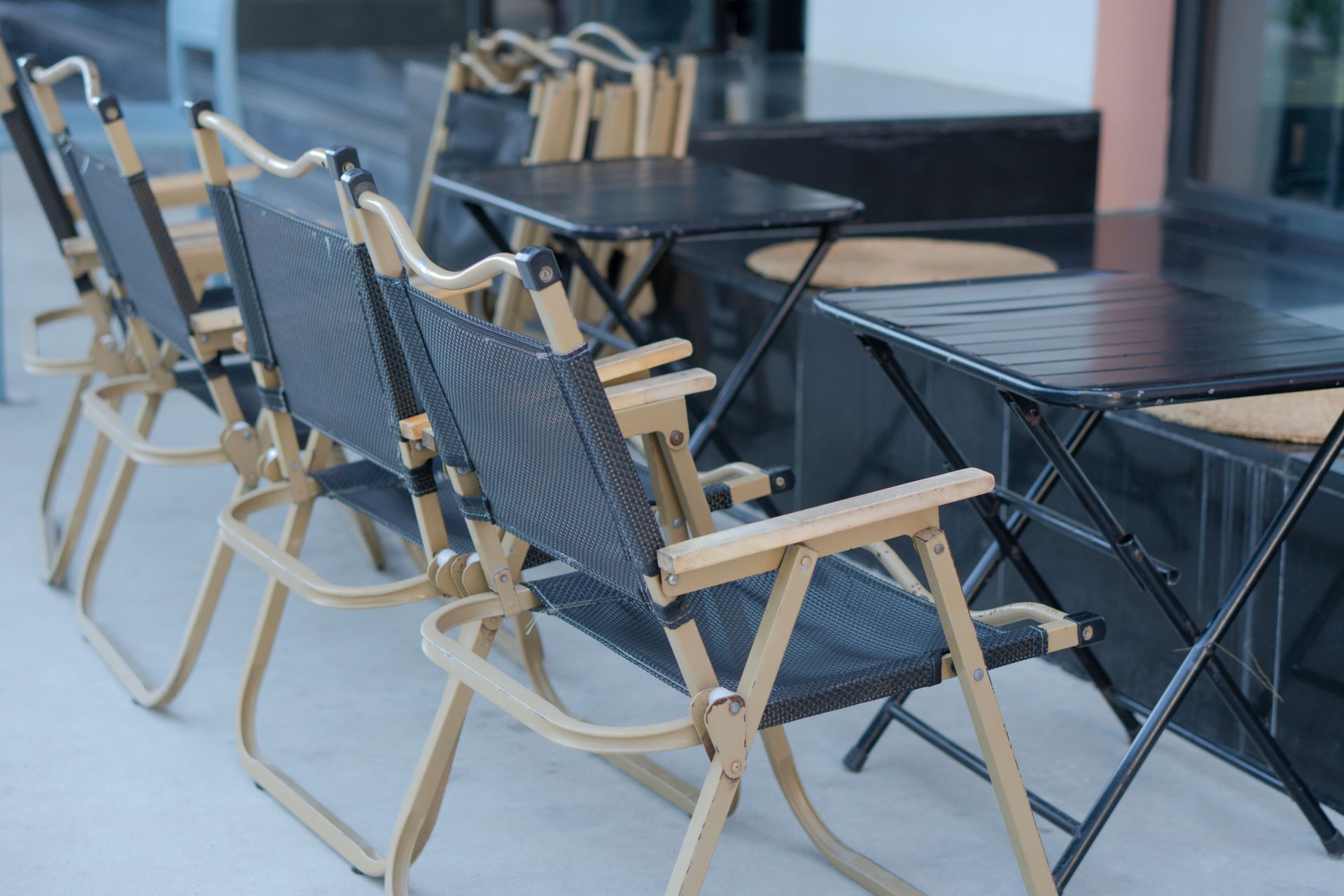
Satin and semi-gloss finishes are often the most practical options for Arizona metal projects. They are not as flat as matte and not as reflective as high gloss. That middle ground makes them useful for gates, railings, patio furniture, wheels, signs, trailer parts, racks, brackets, outdoor fixtures, and ranch hardware.
A satin finish gives you a clean appearance without looking overly shiny. It usually hides dust and light wear better than gloss, while being easier to clean than matte. Semi-gloss adds a little more shine while still staying practical for outdoor metal.
If you are unsure what finish to choose, satin is often the safest starting point. It works across residential, commercial, automotive, and utility projects. It looks intentional without becoming too flashy. For many gates, railings, patio sets, signs, and brackets, satin black, satin bronze, satin graphite, or satin gray can look professional and hold up well visually.
In Arizona, satin and semi-gloss finishes are strong choices because they balance appearance, cleanability, UV exposure, dust visibility, and daily use. They are not always the most dramatic, but they are often the most livable.
Gloss and High-Gloss Powder Coating Finishes
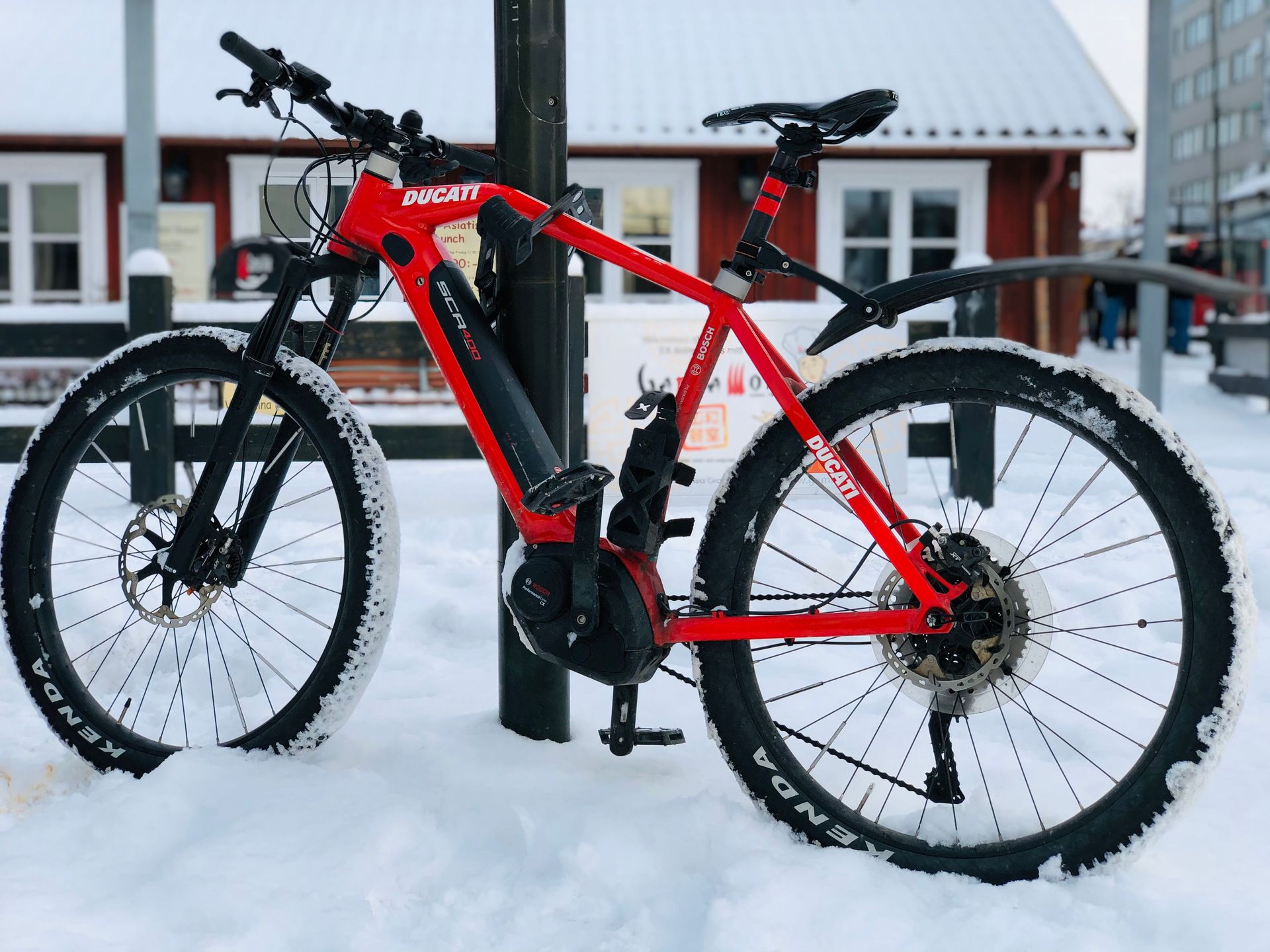
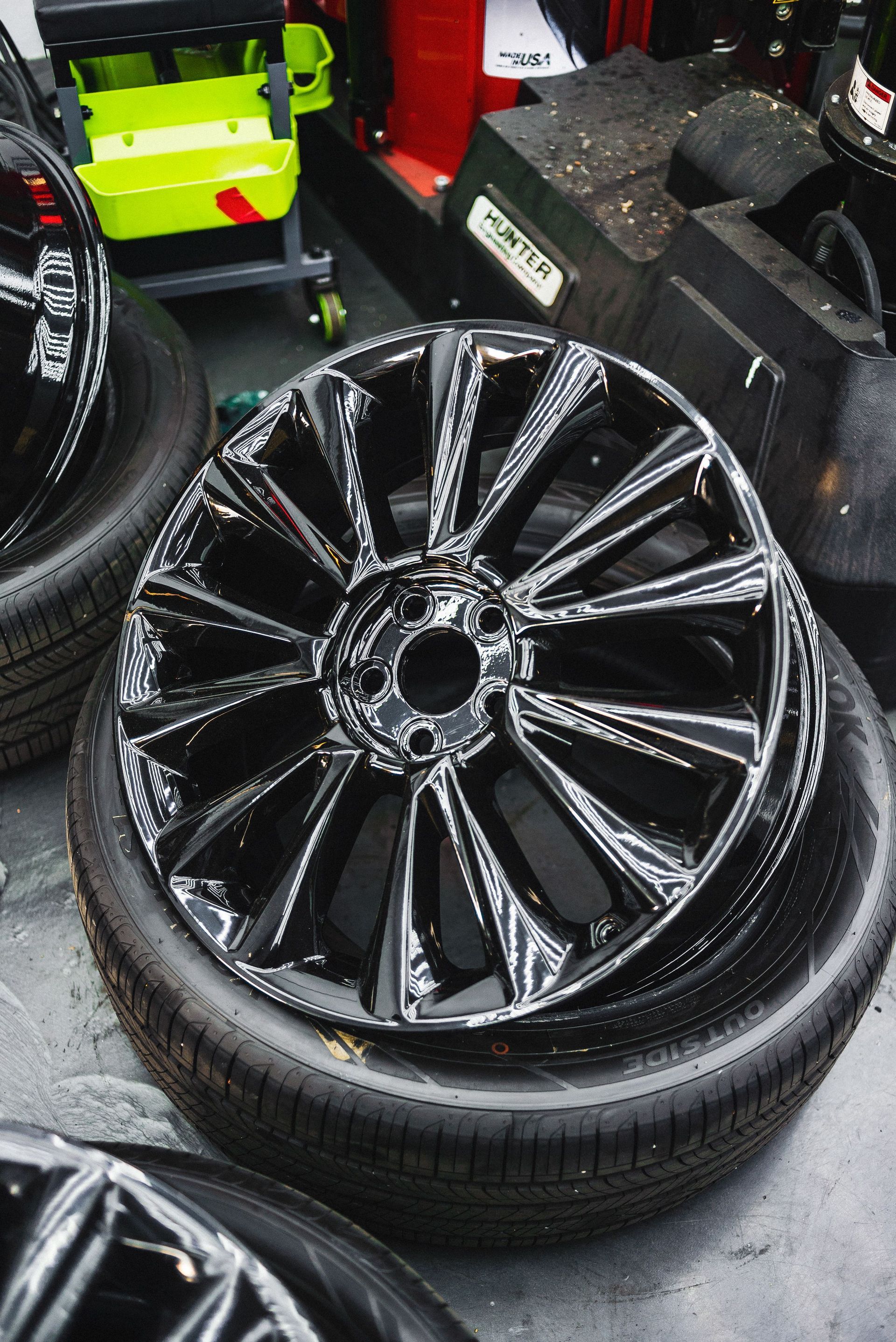
Gloss powder coating is bold. It creates a polished, reflective look that works especially well on wheels, show parts, motorcycle components, decorative signs, display pieces, and automotive accessories.
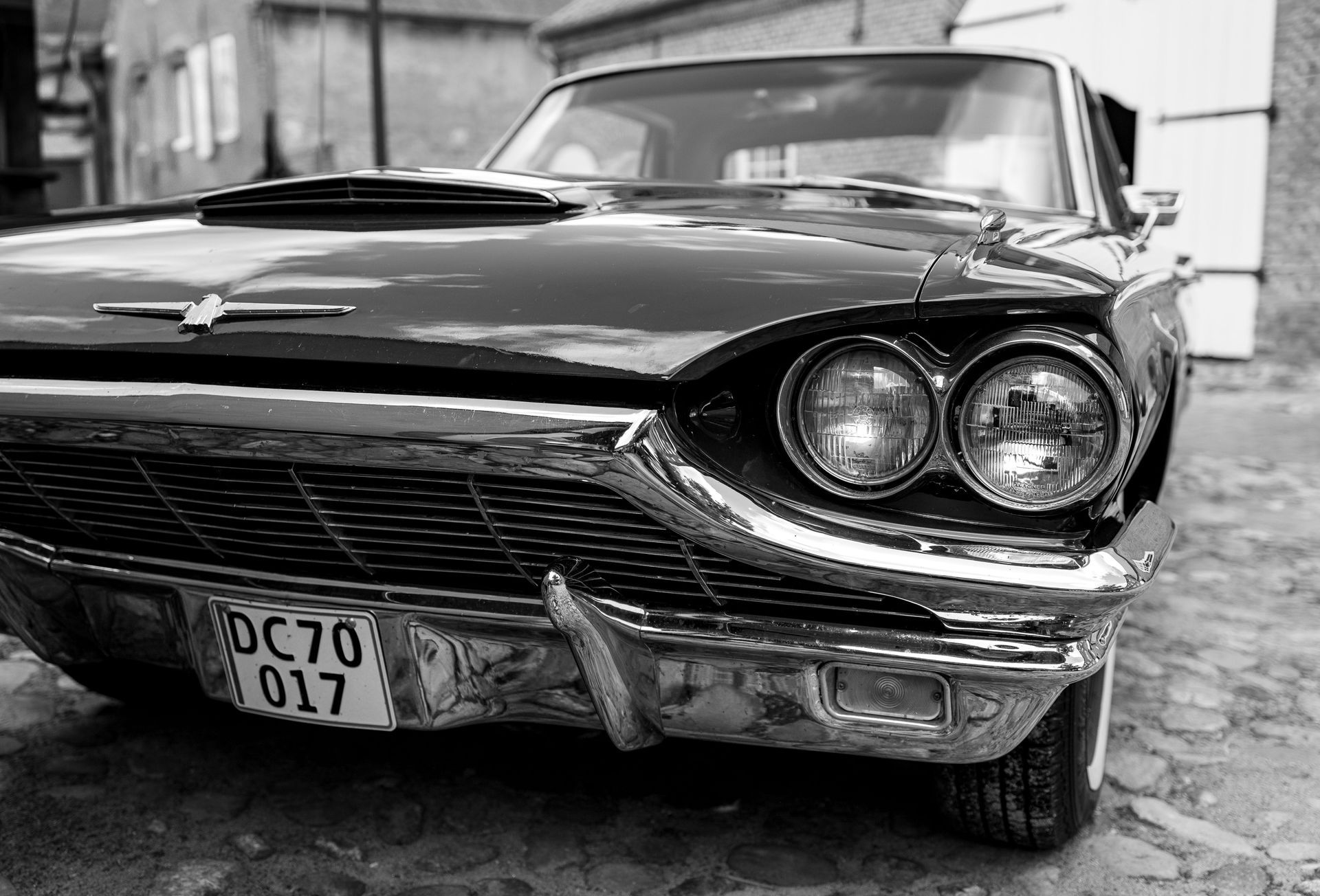
A gloss finish can make colors appear deeper and more vibrant. Gloss black can look sharp and clean. Gloss red, blue, white, or silver can make a project stand out immediately. If the project is meant to be seen, photographed, or displayed, gloss may be the right choice.
The drawback is that gloss shows more. It can reveal scratches, dust, swirl marks, coating debris, uneven prep, and surface defects. This is why gloss finishes often come up in online powder coating discussions. Customers expect a smooth, polished surface, and when the finish feels gritty or shows flaws, it can be disappointing.
A smooth gloss finish should generally feel smooth. If it feels rough, that can point to contamination, debris, poor prep, application issues, or a misunderstanding about the selected finish. For Arizona wheels and outdoor parts, gloss can still be a great choice, but you should understand that it may require more frequent cleaning and more careful handling than satin or texture.
Textured Powder Coating Finishes
Textured powder coating is one of the most practical categories for Arizona. A textured finish changes both the feel and the appearance of the surface. It can be fine and subtle, or heavier and more aggressive depending on the powder.
Textured finishes are especially useful on off-road parts, truck racks, bumpers, gates, railings, handrails, toolboxes, equipment guards, machinery parts, brackets, ranch hardware, and outdoor furniture. These are the types of items that get touched, scraped, bumped, hauled, and exposed.
The biggest advantage of texture is that it hides small imperfections better than smooth gloss. It can disguise light scuffs, fingerprints, mild surface variation, dust, and everyday wear. That does not mean texture fixes bad metal. It does not repair deep pitting, cracked welds, rust-through, or poor fabrication. But it can make a properly prepared part look more rugged and stay visually forgiving over time.
The tradeoff is cleaning. A heavy texture can hold dust and dirt in the low spots. For that reason, fine texture is often the best middle ground. It gives you some of the practical hiding benefits without becoming too difficult to maintain.
For Arizona gates, handrails, racks, off-road parts, and utility metal, fine texture is often one of the smartest finish choices.
Wrinkle Powder Coating Finishes
Wrinkle powder coating creates a raised, patterned surface. It is commonly used on automotive, performance, equipment, and industrial-style parts. You may see wrinkle finishes on valve covers, engine covers, toolboxes, equipment panels, rugged brackets, custom automotive parts, and specialty display pieces.
The look is distinct. Wrinkle finishes make a part feel more aggressive, more mechanical, and more purpose-built. They can also help hide minor surface irregularities because the pattern naturally breaks up the visual surface.
However, wrinkle is not the best fit for every project. It can be harder to clean than a smooth satin finish, and it may look too rugged for modern railings, refined architectural metal, or decorative residential pieces. It is best when the texture is part of the design.
For Arizona customers, wrinkle finishes make the most sense on performance parts, rugged custom pieces, toolboxes, and equipment where the finish should look tough rather than polished.
Hammertone Powder Coating Finishes
Hammertone powder coating creates a patterned look similar to hammered metal. It is a strong option for machinery, older metal, toolboxes, gates, railings, utility pieces, industrial parts, commercial fixtures, and equipment frames.
The value of hammertone is that it makes surface variation look intentional. If you have older metal that cannot be made visually perfect, hammertone can help create a fini shed, decorative industrial look. It adds depth without requiring a bright color or a high-gloss surface.
Hammertone is not for every style. If you want a clean minimalist railing or a modern architectural part, hammertone may feel too busy. But if you are restoring older equipment, refinishing utility metal, or coating industrial parts, it can be a very useful finish.
In Arizona, hammertone can work especially well for metal that has character, age, or a utility function. It can help an older part look finished without pretending it is brand new.
Metallic, Candy, and Color-Shift Finishes
Specialty powder coating finishes are where the visual options become much broader. Metallic, candy, and color-shift finishes can turn a metal project into a showpiece.
Metallic finishes add shimmer and depth. They are popular for wheels, motorcycles, signs, patio furniture, decorative brackets, and architectural accents. In Arizona sunlight, metallic finishes can look especially sharp because the light brings out the flake and depth.
Candy finishes create a deeper translucent color effect, often over a base coat. They are commonly used on show wheels, motorcycle parts, automotive accessories, decorative metal, and premium accent pieces. A candy finish is not just a color. It has depth.
Color-shift and illusion finishes change appearance depending on the angle and lighting. These are dramatic specialty options that work well for custom wheels, motorcycles, display metal, signs, and projects meant to stand out.
The tradeoff is complexity. Specialty finishes may require more careful application, base coats, clear coats, or tighter process control. They may also be harder to match later. For a showpiece, that may be worth it. For a trailer frame, ranch gate, or jobsite part, it may be unnecessary.
Clear Coats and Two-Coat Powder Systems
Some powder coating projects use a clear coat or a multi-coat system. Clear coats can add depth, gloss, and protection to certain metallic, candy, illusion, and specialty finishes.
Clear coat can make a finish look richer, but it also adds thickness, process time, and another cure cycle. This matters on wheels, threads, machined surfaces, mating surfaces, bearing areas, and parts where fitment is tight. More coating is not always better if it interferes with how the part needs to function.
This is why masking and planning matter. If a part needs a base coat and clear coat, the shop should understand where coating thickness is acceptable and where it is not. The finish should look good, but the part still needs to work correctly.
Why Surface Prep Matters More Than Finish Choice
The finish you choose is only as good as the surface underneath it. Even the best powder coating texture cannot overcome poor prep.
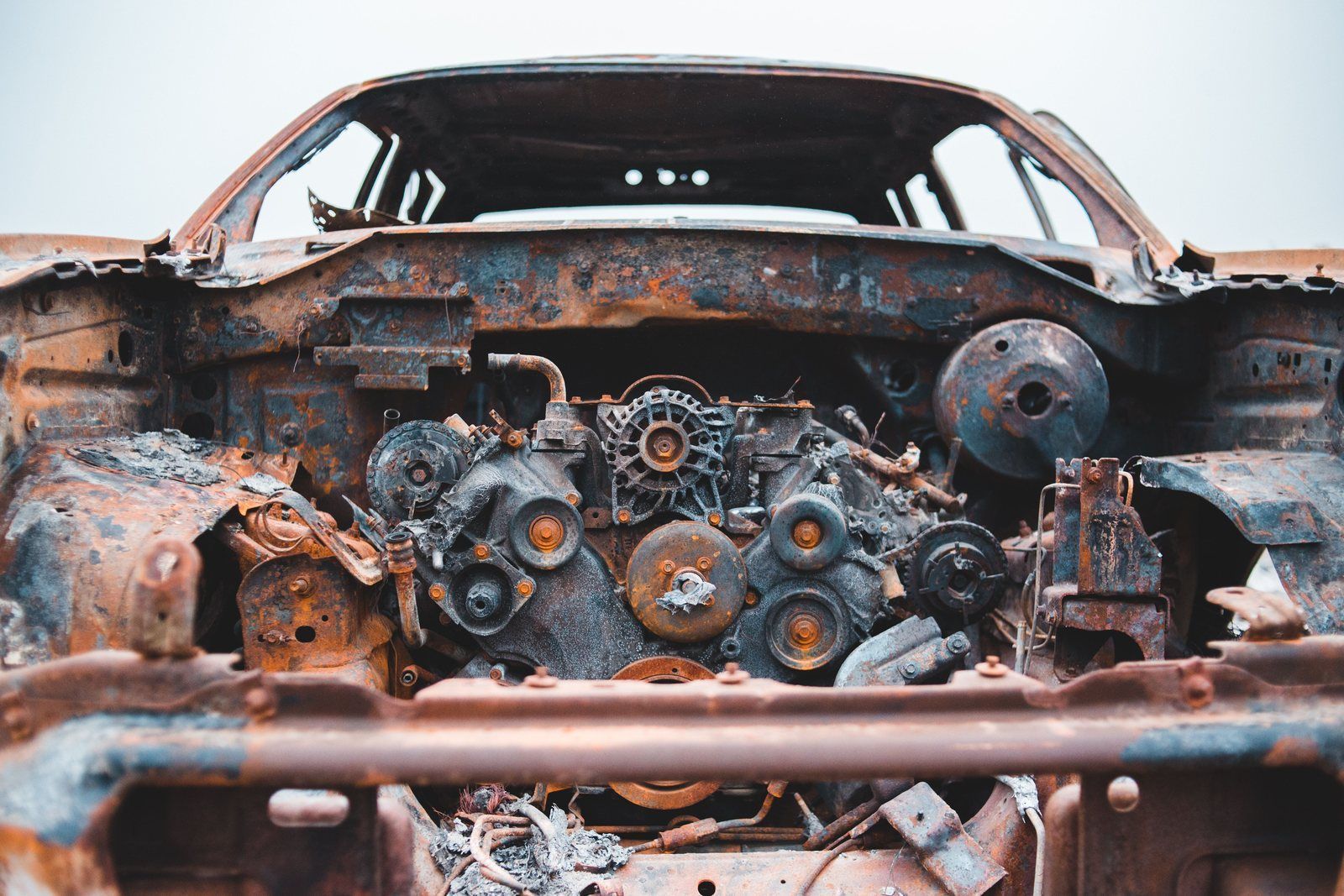
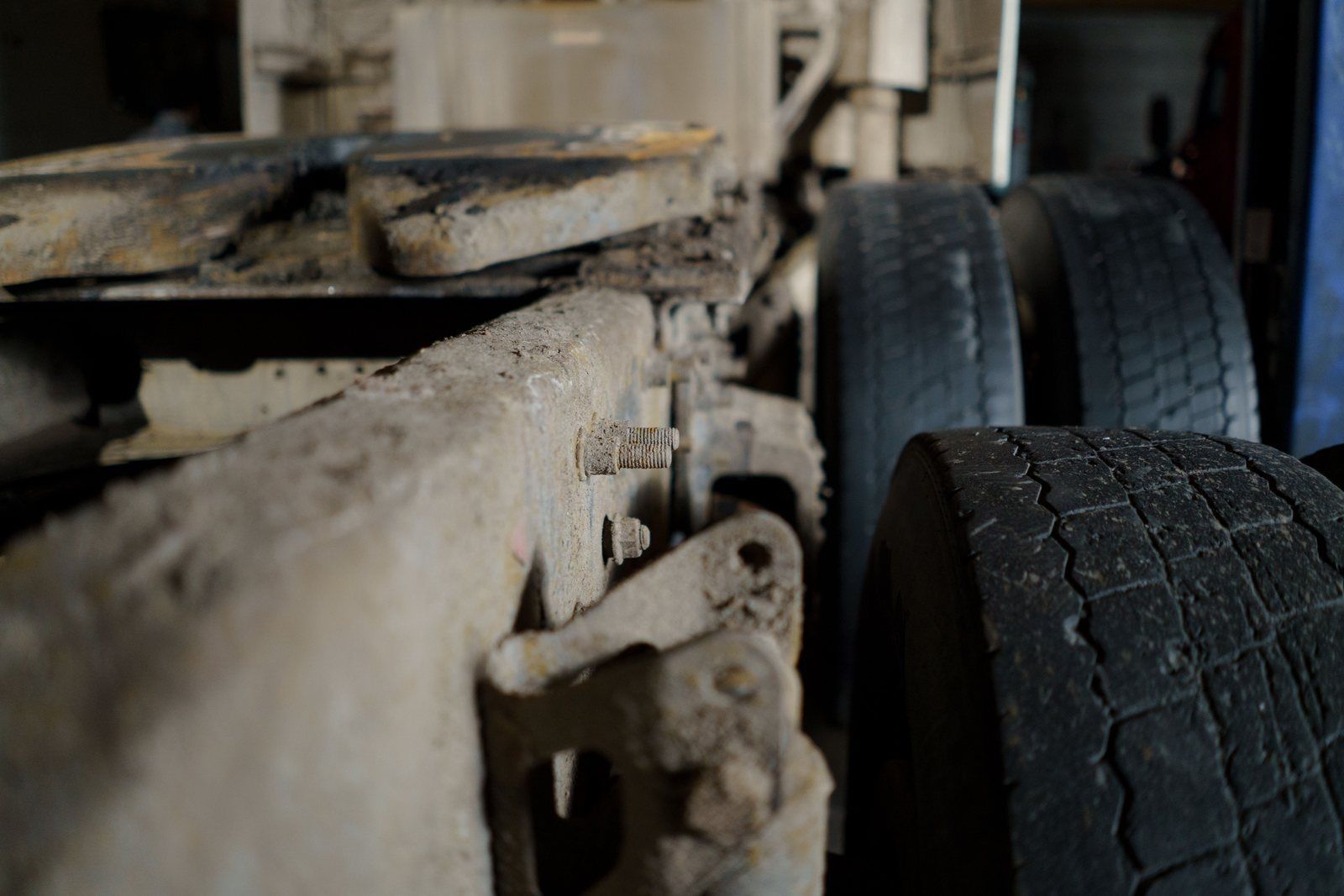
Rust, oil, old paint, old powder coating, mill scale, weld slag, loose oxidation, grease, and shop contamination can all interfere with coating performance. If these are not removed, the coating may fail early, no matter which finish you choose.
Sandblasting and media blasting are key parts of the process because they create a cleaner foundation for powder coating.
Different materials need different prep. Steel may need a stronger blast profile. Aluminum may need a more controlled media choice. Cast parts may need extra cleaning or pre-baking. Stainless steel may need careful surface preparation so the coating can bond properly.
This is where Apex’s full-service process matters. When sandblasting, fabrication, and powder coating are handled under one roof, the project can be evaluated as a complete system. If the metal needs repair before coating, that can be addressed. If the part needs a gentler media, that can be planned. If a finish requires extra masking or a clear coat, that can be discussed before the job starts.