Why Oven Size Matters: 5 Powder Coating Benefits

May 4, 2026

Share this article

TL;DR: Why Powder Coating Oven Size Is a Game Changer

  • Capacity: Larger ovens allow for the coating of oversized items like vehicle frames, trailers, and long industrial gates in a single piece.
  • Consistency: Industrial-sized ovens provide superior airflow and temperature uniformity, preventing "hot spots" that can burn the finish.
  • Durability: Proper curing depends on the entire part reaching a specific temperature simultaneously, which is easier to manage in a spacious environment.
  • Versatility: A large oven can accommodate complex shapes and high-volume batches, leading to faster turnaround times for clients.
  • Quality: Professional ovens avoid the clearance issues common in smaller setups, reducing the risk of surface contamination or accidental contact.

Powder coating oven size matters because it determines both the physical capacity for large items and the thermal consistency required for a professional, durable finish. A large industrial oven ensures that heavy metal parts reach the necessary curing temperature uniformly, preventing brittle or under-cured spots that lead to premature failure.

Why does oven size matter for your project?

When you start looking for powder coating services in Arizona, you might focus on color options or pricing. However, one of the most critical factors for the success of your project is the physical size and engineering of the curing oven. If you have a large project like a truck chassis or a set of 20-foot estate gates, the answer is obvious: the part simply will not fit in a standard oven. But even for smaller items, the volume of the oven plays a massive role in the final quality of the coating.

Oven size is not just about length and width; it is about the physics of heat. Powder coating is a dry finishing process where a polymer resin is applied as a powder and then melted into a smooth, hard film. For this chemical reaction (known as cross-linking) to happen correctly, the metal substrate must be heated to a specific temperature, usually between 375 and 400 degrees Fahrenheit, and held there for a specific amount of time.

In a cramped oven, a large metal part might sit too close to the heating elements. This proximity can cause localized overheating, which leads to a finish that is overly brittle or discolored. Conversely, if the part is squeezed into a corner with poor airflow, it might never reach the required temperature, resulting in a finish that peels or flakes off within months. At APEX Powder Coating, we understand that providing large item coating requires more than just a big box: it requires a precision-engineered environment where heat moves freely around every curve and corner of your project.

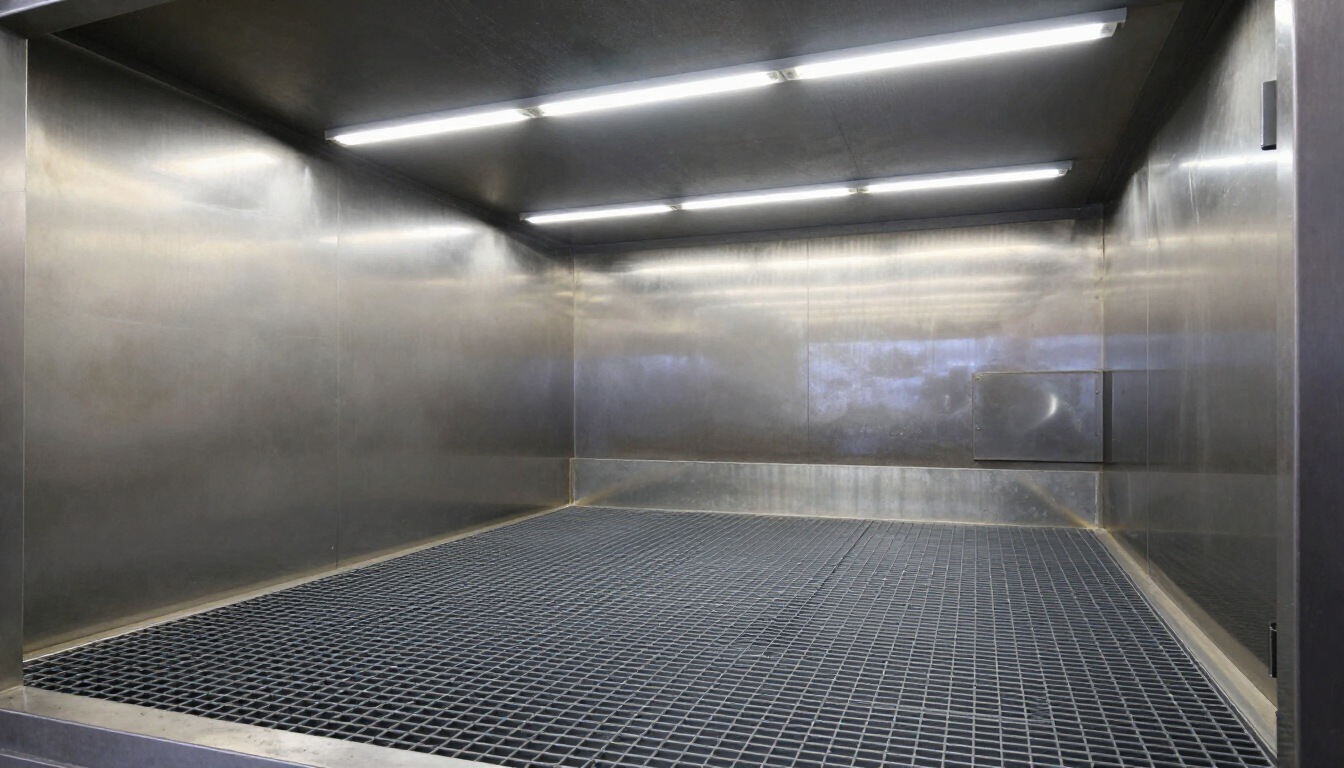
Industrial Powder Coating Oven

How temperature uniformity ensures a durable finish

Have you ever wondered why some powder-coated items seem to chip easily while others last for decades in the harsh Arizona sun? The difference often lies in the curing process. Temperature uniformity is the ability of an oven to maintain the exact same heat level in every cubic inch of its interior. In smaller or poorly designed ovens, you often find significant temperature fluctuations between the top and the bottom of the rack.

When we handle our services , we prioritize the thermal mass of the object. A thick steel trailer frame acts like a giant heat sink. It takes a significant amount of energy to bring that much metal up to 400 degrees. If the oven is too small, the air temperature might drop the moment the cold metal enters, and the heating elements will struggle to recover. This leads to an inconsistent cure. A large industrial oven has the "thermal horsepower" to maintain steady heat even when a massive automotive frame is placed inside.

Uniform heat ensures that the powder melts and flows together at the same rate. This creates a monolithic barrier against moisture and salt. For residents in the White Mountains, where we deal with both intense summer heat and snowy winters, this durability is non-negotiable. If the oven size was insufficient for the part, you might end up with a beautiful finish that hides a structural weakness in the coating, leading to rust underneath the surface.

The technical advantages of large industrial ovens

Large industrial ovens offer several technical benefits that smaller hobbyist setups cannot match. These include sophisticated convection systems that circulate air at high velocities. This circulation is vital because it breaks up the boundary layer of air around the metal part, allowing heat to penetrate more efficiently. When we work on custom fabrication projects, we often deal with complex geometries, such as deep recesses in a roll cage or the intricate lattice of a decorative gate. Only a high-volume oven with superior airflow can ensure that those hidden areas reach the same temperature as the exterior surfaces.

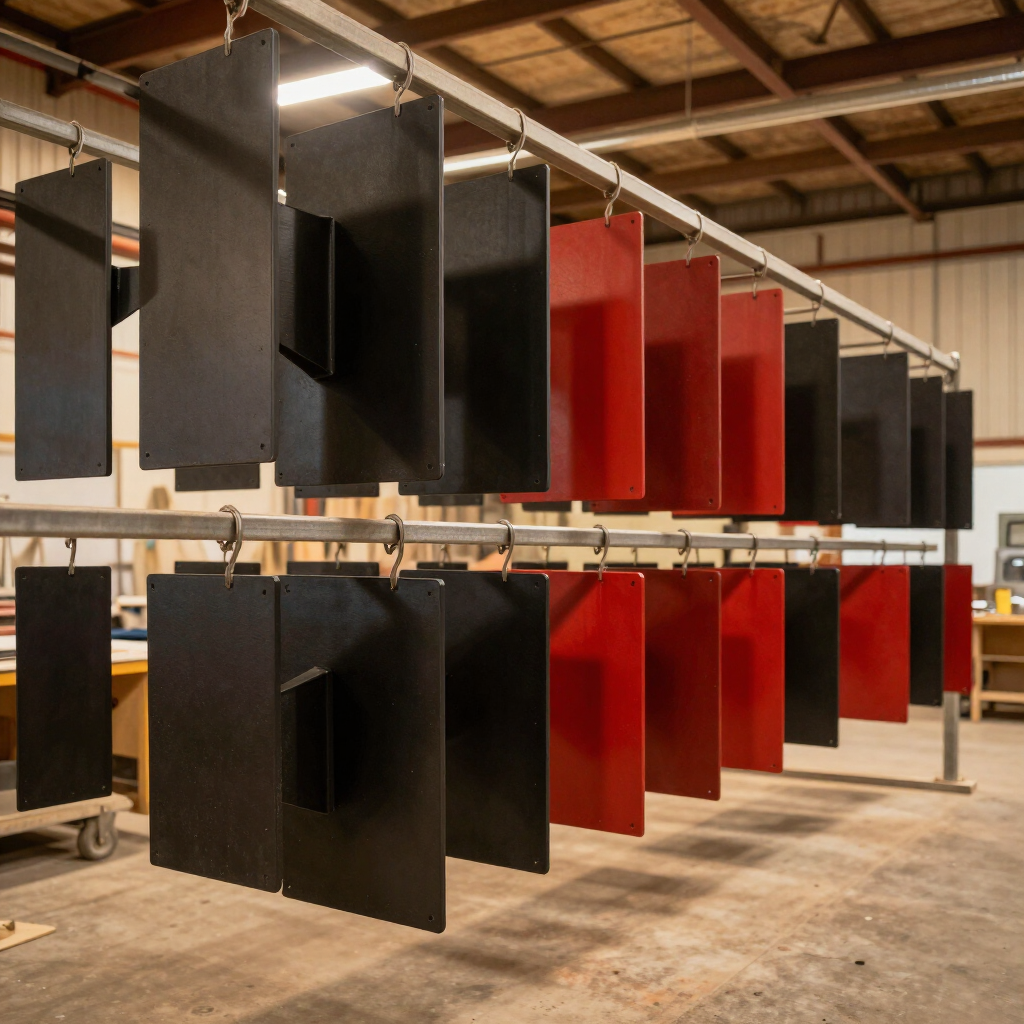
Another technical advantage is part clearance. In a large oven, there is ample space between the part and the walls, floor, and ceiling. This reduces the risk of "faraday cage" issues during the application and ensures that the part does not pick up dust or debris from the oven surfaces. It also allows for the use of advanced racking systems. Instead of cramming items together, a large oven allows us to hang parts in a way that maximizes exposure to the heat while preventing any accidental contact that could mar the finish.

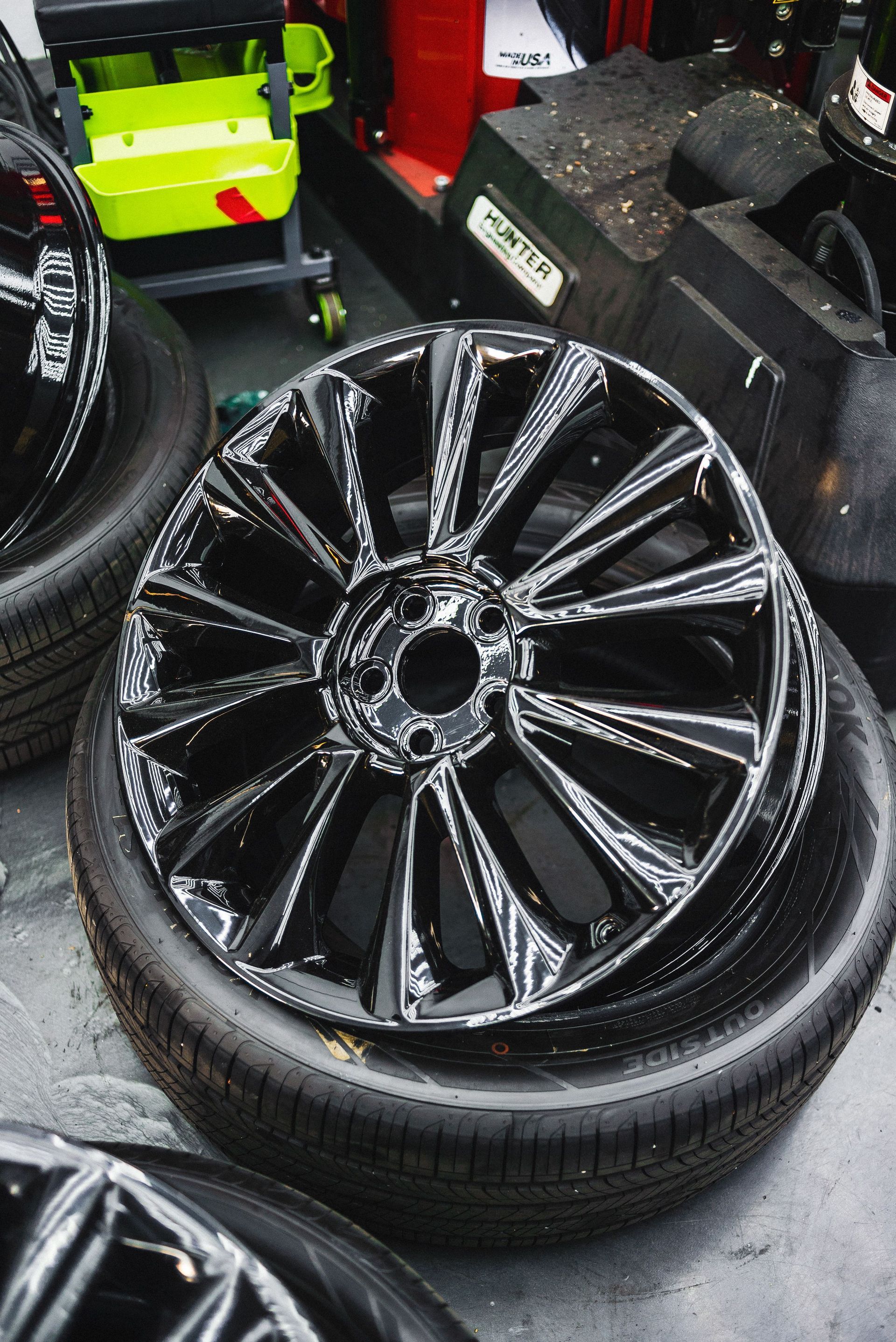
At APEX Powder Coating, our facility in Show Low is designed to handle these complexities. We have invested in equipment that allows us to offer the same level of quality for a single set of wheels as we do for a massive industrial trailer. This versatility is only possible because of the scale of our curing environment ( 10ft x 10ft x 30ft ). We can manage the ramp-up time and the soak time with precision, ensuring that the chemical bond between the powder and the metal is absolute.

Can a small oven compromise your powder coating quality?

Many smaller shops or DIY enthusiasts try to make do with converted kitchen ovens or small cabinets. While these might work for a bracket or a small bolt, they pose significant risks for anything larger. The most common issue is the "hot spot" phenomenon. Because the heating elements are so close to the part in a small oven, the side of the part facing the element might reach 450 degrees while the far side is only at 350 degrees. This leads to a finish that is uneven in both color and texture.

Furthermore, small ovens often lack the necessary ventilation and filtration systems. As the powder cures, it releases a small amount of fumes. In a large, well-ventilated industrial oven, these fumes are efficiently moved out of the space. In a cramped environment, these gases can become trapped, potentially settling back onto the surface of the part and causing hazing or loss of gloss. If you are investing in a high-quality finish, you want to avoid these preventable defects.

There is also the matter of sandblasting and prep. If a part has been meticulously cleaned and blasted, it is a tragedy to have that work undone by an inadequate curing process. We have seen cases where customers brought us parts that were previously coated in a small shop, only to find that the coating was "cheesy" or soft because it never fully cross-linked in a small oven. By choosing a shop with the right equipment from the start, you save yourself the time and expense of having to strip and redo the job later.

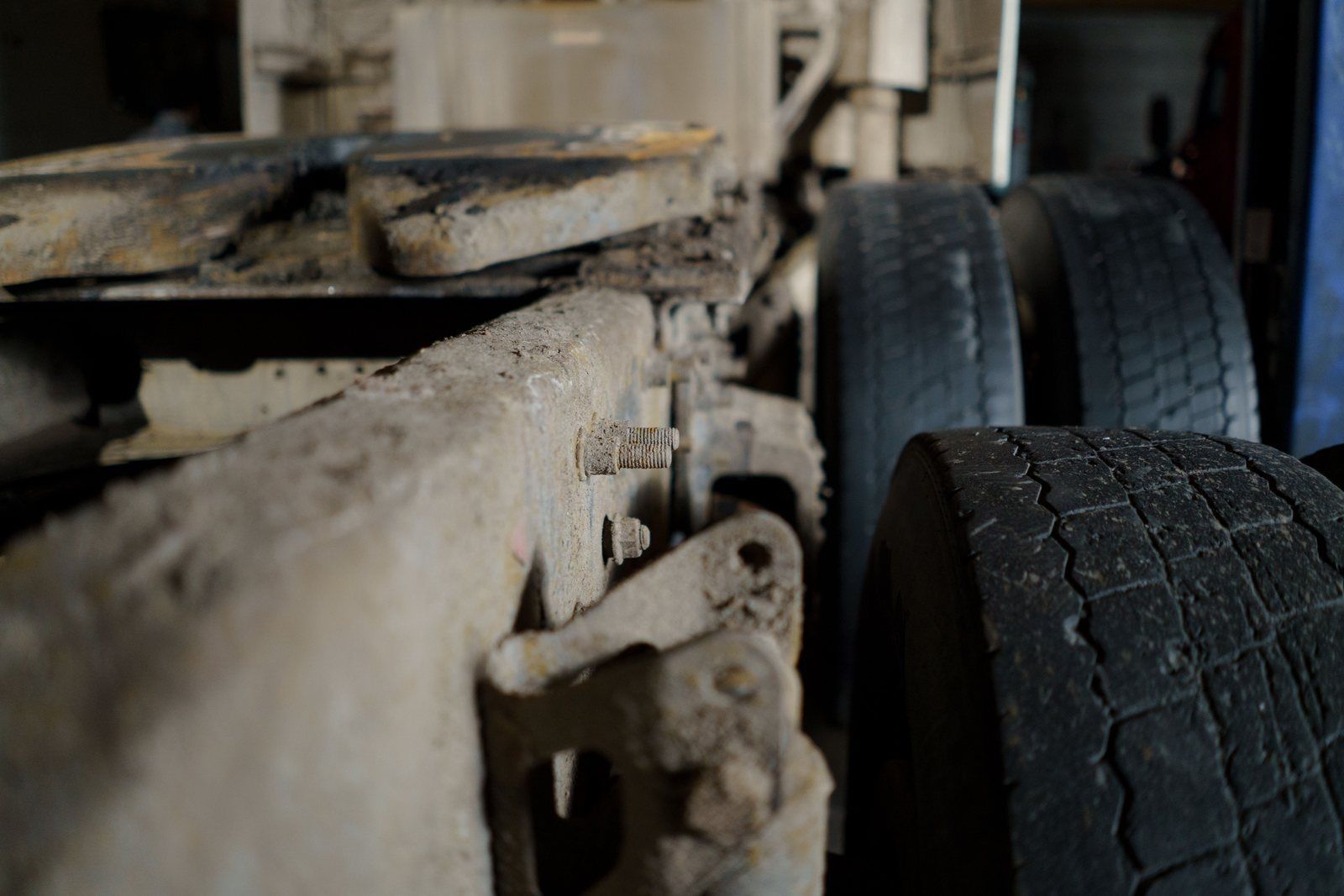
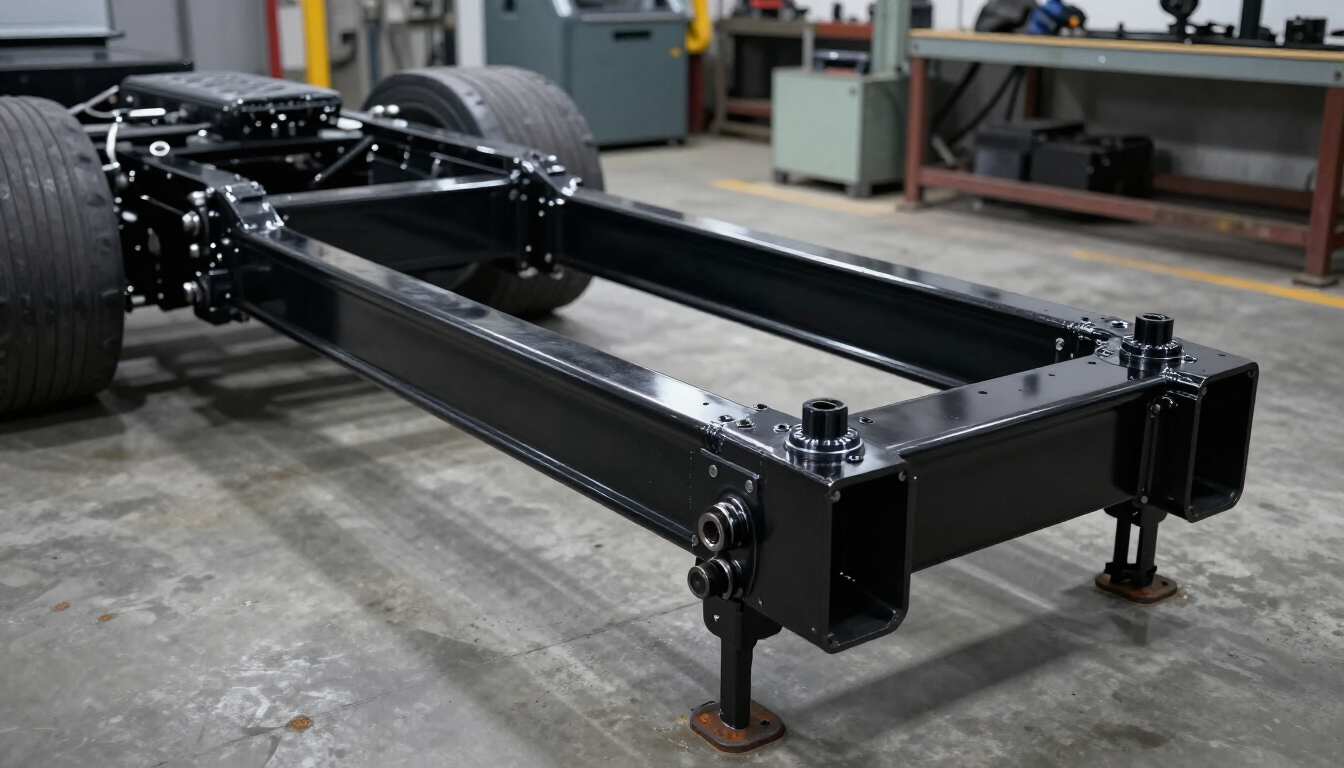
Powder Coated Frame

Industrial vs. hobbyist equipment: What you need to know

The gap between hobbyist equipment and industrial-grade machinery is vast. Hobbyist ovens often rely on simple radiant heat, which is fine for thin, small items but fails when faced with the thermal demands of heavy metal. Industrial ovens, like the ones we use, are usually powered by gas or high-voltage electricity and feature heavy insulation to maintain a stable environment. They are also equipped with digital controllers that allow us to program specific heat cycles based on the metal type and powder chemistry.

For example, aluminum dissipates heat differently than steel. A professional setup allows the technician to adjust the oven's behavior to account for these differences. When you visit our About Us page, you will see that our commitment to quality is backed by this kind of professional technology. We are a Prismatic Powders Qualified Applicator, which means we adhere to strict standards that include using the right equipment for every stage of the process.

Another factor to consider is the size of the prep area. A shop that has a large oven usually also has a large sandblasting cabinet. These two go hand in hand. You cannot effectively powder coat a large item if you cannot clean it properly first. Our large-scale blast cabinet ensures that even the biggest frames are stripped to white metal before they ever see a grain of powder. This holistic approach to equipment is what differentiates a professional shop from a backyard operation.

How does oversized equipment benefit Arizona customers?

Arizona is home to a massive community of off-road enthusiasts, ranchers, and contractors. These groups all share a common need: they have large, heavy-duty equipment that takes a beating. Whether it is a side-by-side roll cage that needs to withstand the desert brush or a cattle trailer that faces constant moisture and salt, the size of the powder coating oven directly impacts the serviceability of these items.

When we can fit an entire trailer or a long section of fencing into our oven, we eliminate the need for joints or seams in the coating. Every seam is a potential failure point where rust can start. By providing a continuous, oven-cured finish over the entire surface, we offer a level of protection that simply cannot be matched by smaller shops that might try to coat items in sections. This is particularly important in regions like Pinetop-Lakeside or Show Low, where the environment can be surprisingly demanding on metal surfaces.

Additionally, our large oven capacity means we can run high-volume batches for commercial clients. If a contractor needs a hundred brackets or twenty light poles coated, we can process them all together. This ensures color consistency across the entire batch, as they are all subjected to the exact same heat cycle. For the customer, this means faster turnaround and a more reliable product.

APEX Powder Coating: Solving the large-item challenge

At APEX Powder Coating, we built our facility specifically to handle the jobs that other shops in the White Mountains cannot. We noticed that many local residents had to drive all the way to Phoenix to get large items coated. By investing in a large-scale industrial oven and a high-capacity blast cabinet, we brought world-class finishing capabilities right here to Show Low. We take pride in being able to say "yes" to the complex, oversized projects that our competitors turn away.

Our anecdotes are filled with stories of customers who were told their project was "too big" elsewhere. We have handled everything from custom-fabricated industrial skids to vintage car frames that required delicate care and massive oven space. Each of these projects reinforces why oven size is the backbone of our business. It gives us the freedom to provide a superior product without compromising on the physics of the cure. If you are curious about what we can handle, we encourage you to check out our Gallery to see the scale of the projects we have completed.

We serve a wide range of areas, including Snowflake, Taylor, Holbrook, and beyond. Our service area is broad because people recognize the value of professional-grade equipment. When you choose us, you are not just paying for color; you are paying for the peace of mind that comes from knowing your project was cured in an environment designed for success.

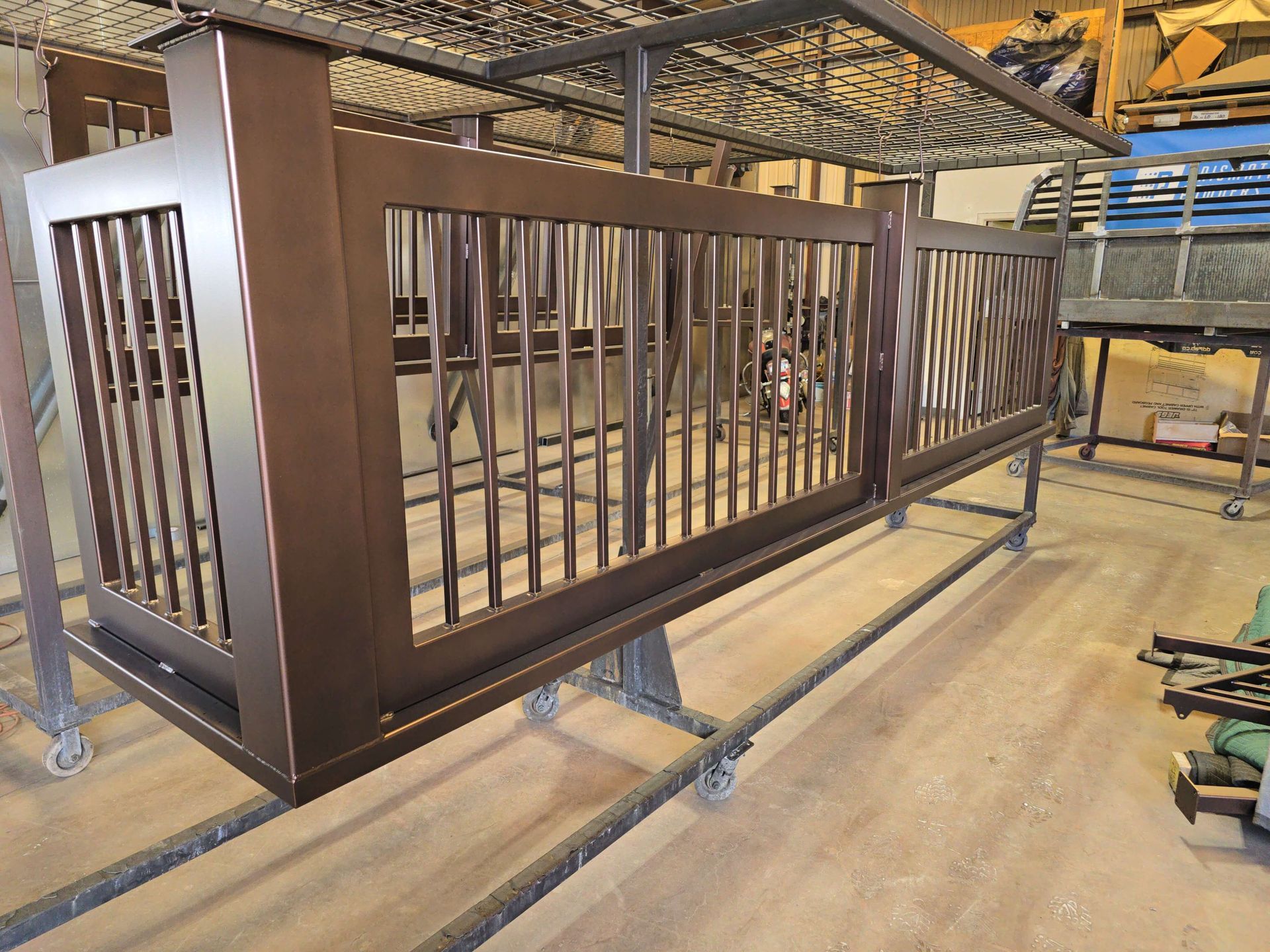
Brown metal railing panel on a workshop floor, with vertical bars and a rectangular frame.

Summary: The APEX Advantage

Choosing the right powder coating service involves more than just picking a color from a swatch. It requires an understanding of the infrastructure behind the finish. The size of the oven is a primary indicator of a shop's capability and commitment to quality. A large industrial oven provides the thermal stability, airflow, and physical space necessary to ensure that every part, regardless of size, receives a perfect cure.

If you have a project that needs a durable, high-quality finish, don't settle for a shop that has to "make it fit." Experience the difference that professional-grade equipment makes. Whether you are an auto enthusiast looking to restore a frame or a contractor needing industrial-strength protection for your fabrication, we have the tools and the expertise to get the job done right. Ready to get started? Contact Us today for a quote or to discuss your specific needs.

Key Takeaways for Your Next Project:

  • Verify Oven Dimensions: Always ask if the shop can accommodate your largest parts without compromising airflow.
  • Prioritize Uniformity: Ensure the shop uses industrial convection ovens for consistent temperature control.
  • Consider the Prep: Remember that large ovens usually mean large prep facilities, which are essential for a good bond.
  • Protect Your Investment: A proper cure in a professional oven ensures your finish lasts through Arizona's harshest weather.
  • Support Local Expertise: APEX Powder Coating offers the specialized equipment you need right here in the White Mountains.

Recent Posts

Person welding metal, sending bright sparks in a dim workshop.
By Admin August 11, 2026
Compare manufacturer vs fabricator, where welding fits, and when Arizona metal projects need fabrication, sandblasting, powder coating, or full-service finishing.
Welder in protective mask and gloves sparks bright arc welding on dark metal surface
By Admin August 4, 2026
TL;DR What is welding? Welding is the process of joining metal parts together so they function as one piece. It is used for trailer repairs, gates, railings, brackets, racks, off-road parts, ranch equipment, commercial signs, industrial frames, custom fabrication, and metal repair. Is welding the same as fabrication? No. Welding joins metal. Fabrication is the larger process of building, repairing, modifying, fitting, welding, grinding, prepping, and finishing metal. A fabrication project may include welding, but welding is not the whole project. What are the main types of welding? The most common welding types most Arizona customers will hear about are MIG welding, TIG welding, stick welding, and flux-cored welding. Other processes include oxy-fuel welding, resistance spot welding, submerged arc welding, laser welding, and plasma arc welding. What is MIG welding best for? MIG welding is commonly used for steel frames, brackets, gates, railings, trailer repairs, automotive parts, racks, and general fabrication. It is fast, efficient, and practical for many shop projects. What is TIG welding best for? TIG welding is best for clean, precise welds on aluminum, stainless steel, thin metal, visible welds, custom brackets, motorcycle parts, and higher-appearance fabrication. What is stick welding best for? Stick welding is useful for field repairs, ranch equipment, thicker steel, outdoor repair, utility work, and situations where portability matters. What is flux-cored welding best for? Flux-cored welding is useful for thicker steel, outdoor welding, repair work, fabrication, and jobs where wind can interfere with standard shielding gas. Can welded metal be powder coated? Yes, but the weld should be inspected, cleaned, blasted or prepped, masked, powder coated, cured, and inspected. Welding after powder coating can burn or damage the finish. Does welded metal need sandblasting before powder coating? Often, yes. Welding can leave slag, spatter, mill scale, oils, grinding residue, and surface contamination. Sandblasting or media blasting helps create a cleaner surface for powder coating adhesion. What do people ask in welding and powder coating forums? Common questions include whether powder coating will hide gaps, whether mill scale must be removed, whether welding should happen before coating, whether outdoor powder coat can rust, and why surface prep matters so much. The answer is usually the same: repair and prep the metal before finishing it. If you are asking what is welding? , the simple answer is that welding is the process of joining metal together using heat, pressure, filler material, or a combination of those methods. In Arizona, welding is used for everyday repair and custom metalwork, but it is also part of a larger finishing process. If the part will be powder coated, the weld should be cleaned, inspected, sandblasted or media blasted when needed, and finished with the right coating system for Arizona heat, UV exposure, dust, road debris, ranch use, off-road abuse, and monsoon moisture. Welding Starts the Job, Prep Finishes It TWI defines welding as “ a fabrication process whereby two or more parts are fused together .” That is the technical foundation. Welding joins the metal, but it does not automatically make the part finished. Apex explains the finishing side clearly: “ Repairs are made with coating in mind. ” That matters because a weld can be strong but still need cleanup, smoothing, blasting, masking, and powder coating before the part is ready for long-term use. Welding vs Fabrication vs Metal Finishing Welding is the joining step. It is how two pieces of metal become connected. Fabrication is the broader project. It may include measuring, cutting, fitting, welding, drilling, grinding, reinforcing, modifying, and preparing the part for its final use. Metal finishing happens after the part is built or repaired. That may include sandblasting, media blasting, masking, powder coating, curing, and final inspection. This is where many customer projects become more involved than expected. For example, a cracked gate hinge may seem like a simple welding job. But if the gate has old paint, rust, rough previous repairs, or chipped coating, the better solution may be weld repair, surface cleanup, sandblasting, and powder coating. That is why Apex’s in-house custom fabrication and finishing workflow is valuable. The repair and the final coating can be planned together.
Person welding in an industrial workshop with large machinery and metal equipment.
By Admin August 4, 2026
Learn what fabrication means in Arizona, including welding, sandblasting, powder coating, metal repair, and how Apex handles fab projects.
Blue powder cloud bursting against a black background
By Admin July 30, 2026
Find where to buy powder coat powder, compare top US suppliers, and learn why Arizona projects still need proper prep, curing, and expert coating.
Straight desert highway leading toward distant red rock mesas under a blue, partly cloudy sky
By Admin July 30, 2026
Compare powder coating textures and finishes for Arizona projects, including matte, satin, gloss, textured, metallic, candy, and hammertone options.
Worker in protective suit and respirator spray-painting a metal surface in a workshop
By Admin July 23, 2026
Compare top powder coating companies in Arizona from Reddit, including Apex, prep quality, finish options, shop capacity, and what to verify.
Person in a yellow helmet operating a water spray hose inside a tunnel-like structure
By Admin July 23, 2026
Explore custom metal fabrication in Arizona, including repair, sandblasting, powder coating, and how Apex builds metal projects to last.
White metal building wall with a closed gray roll-up shutter door centered in the frame
By Admin July 17, 2026
Learn if you can powder coat aluminum, what materials can be powder coated, and how proper prep affects Arizona metal finishing projects.
Aerial view of a sprawling industrial plant with pipes, towers, and steam under a cloudy sky
By Admin July 14, 2026
Learn what goes into industrial powder coating in Arizona, including sandblasting, surface prep, curing, inspection, and large-item finishing.
Abstract dark metallic swirl with glossy black, silver, and pink highlights on a black background
By Admin July 11, 2026
Compare types of metal finishes, including powder coating, paint, galvanizing, anodizing, plating, and more for Arizona metal projects.
Show More